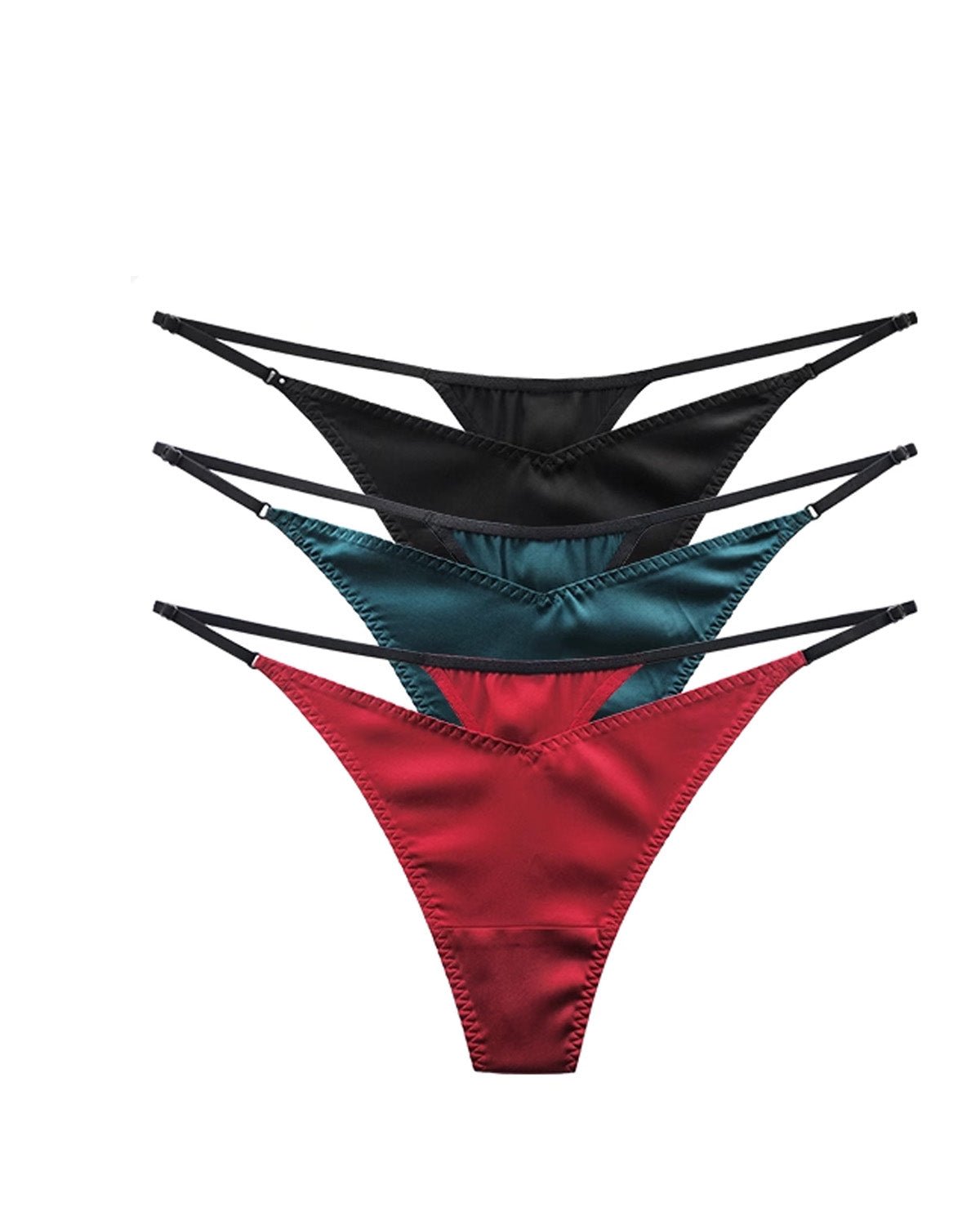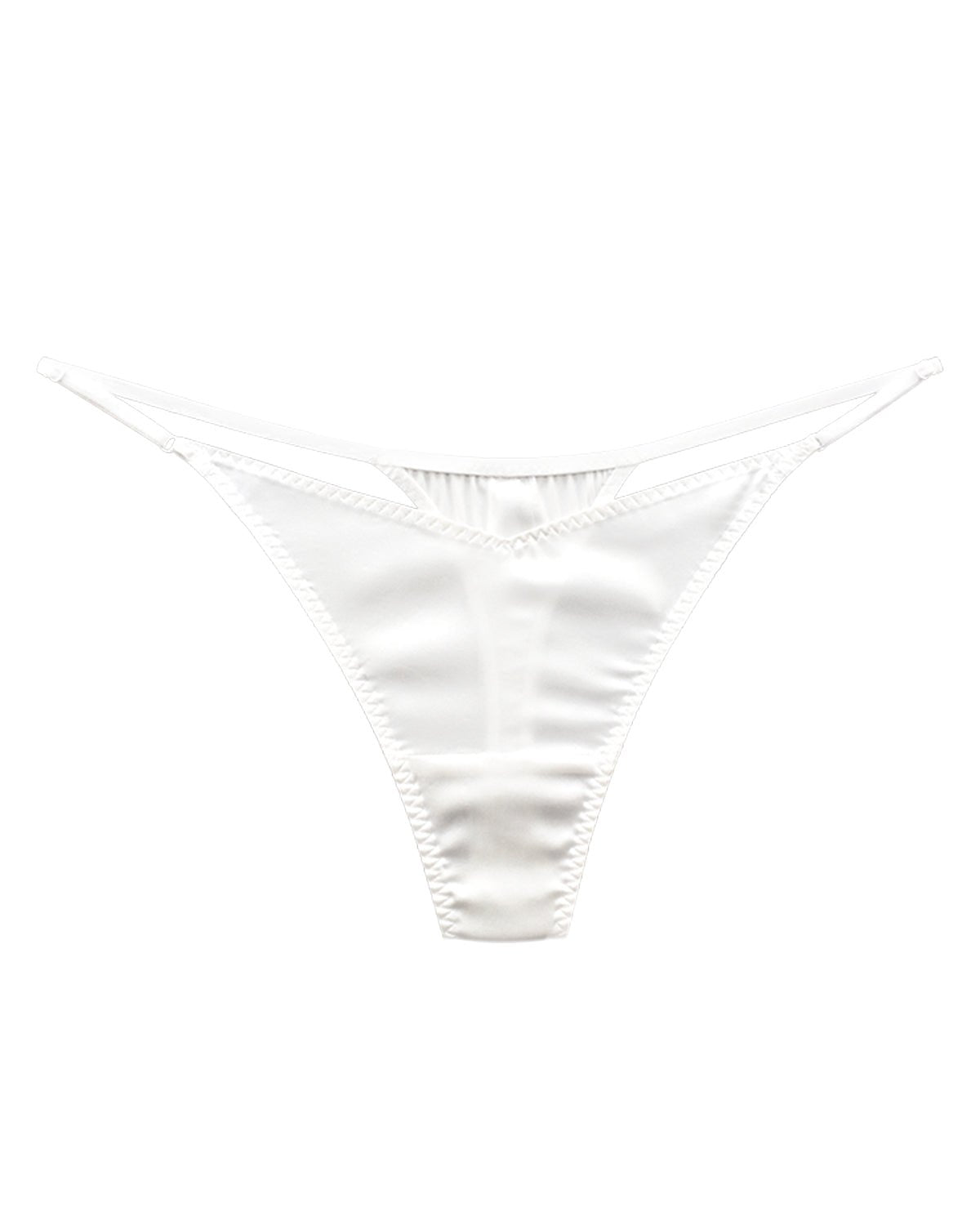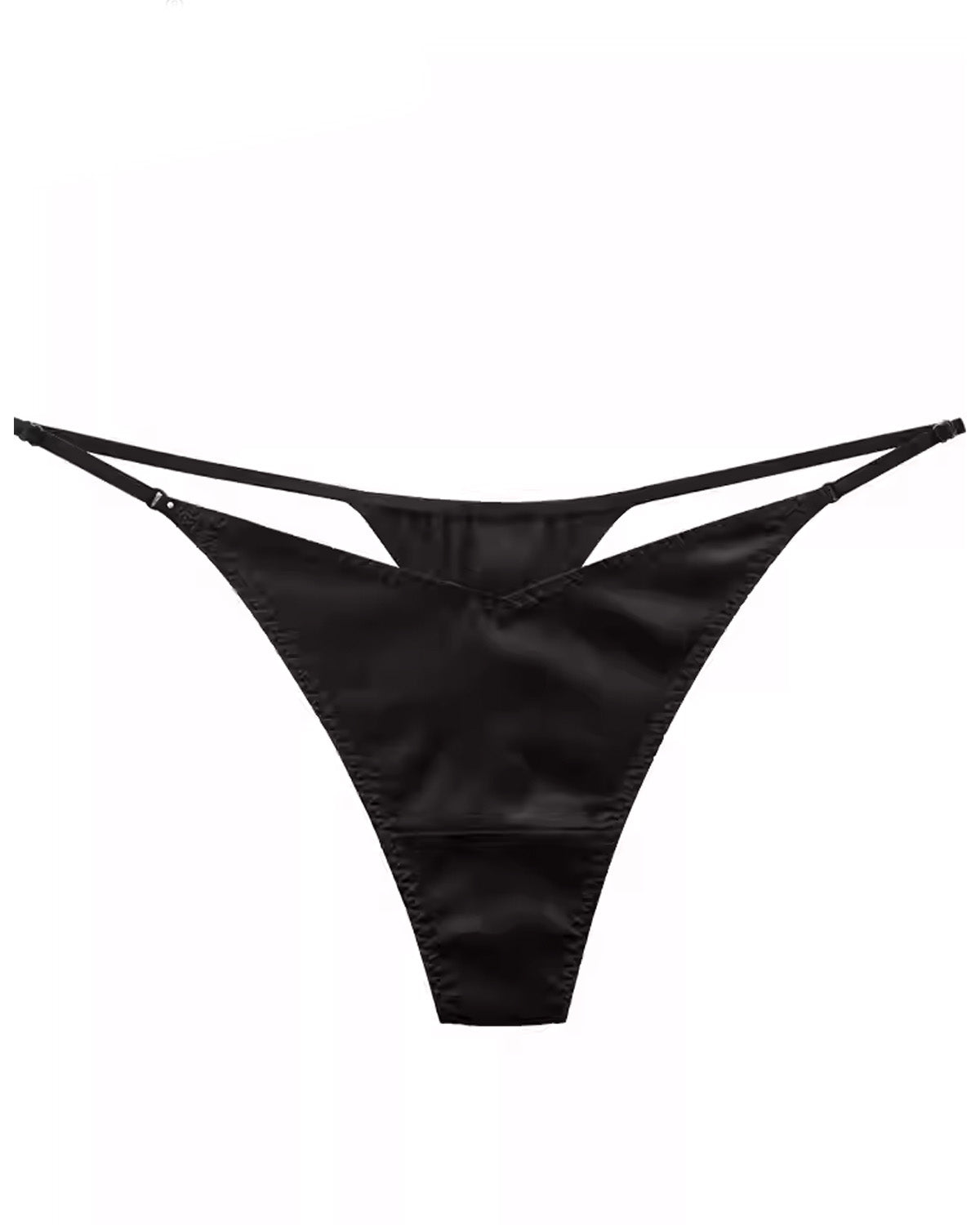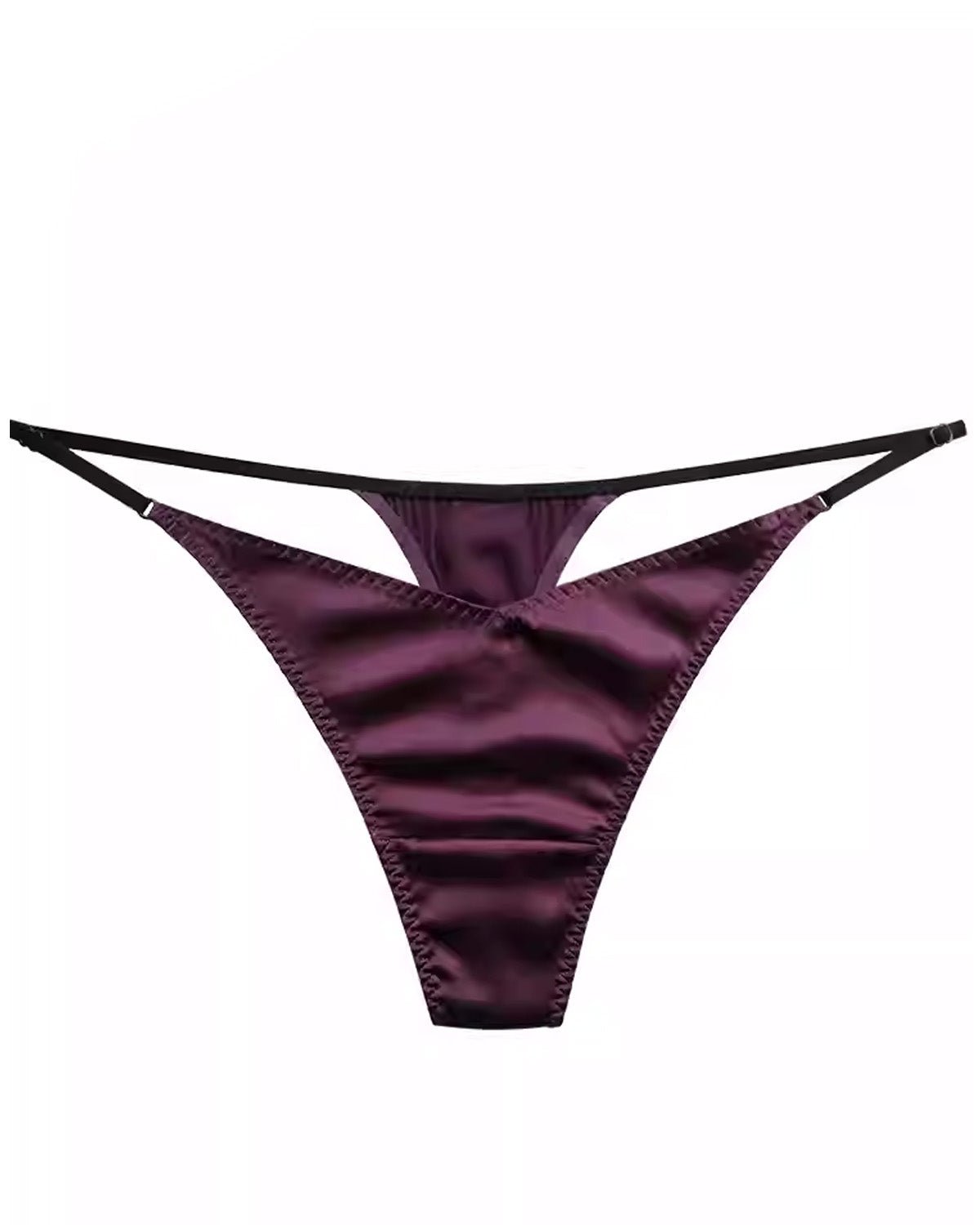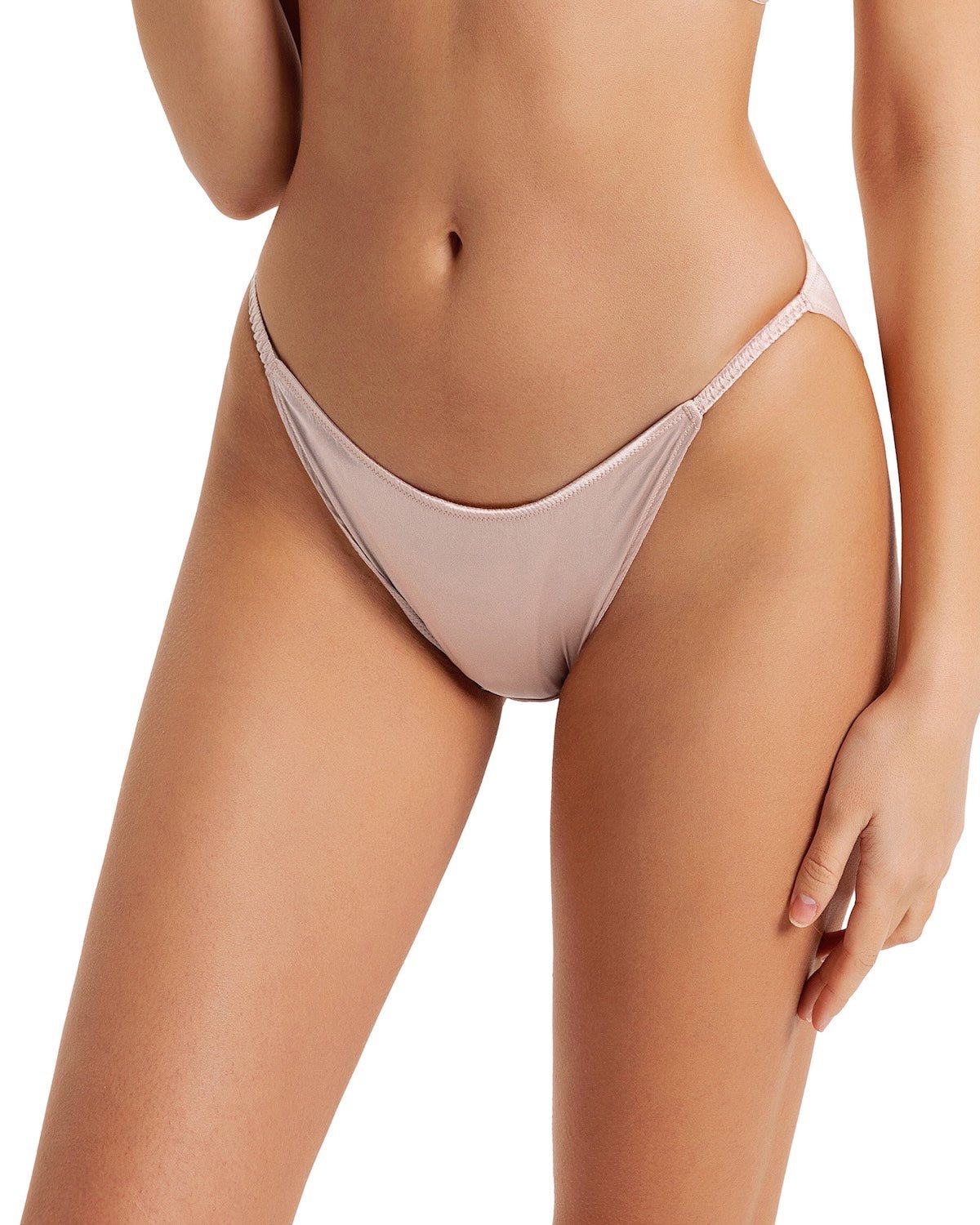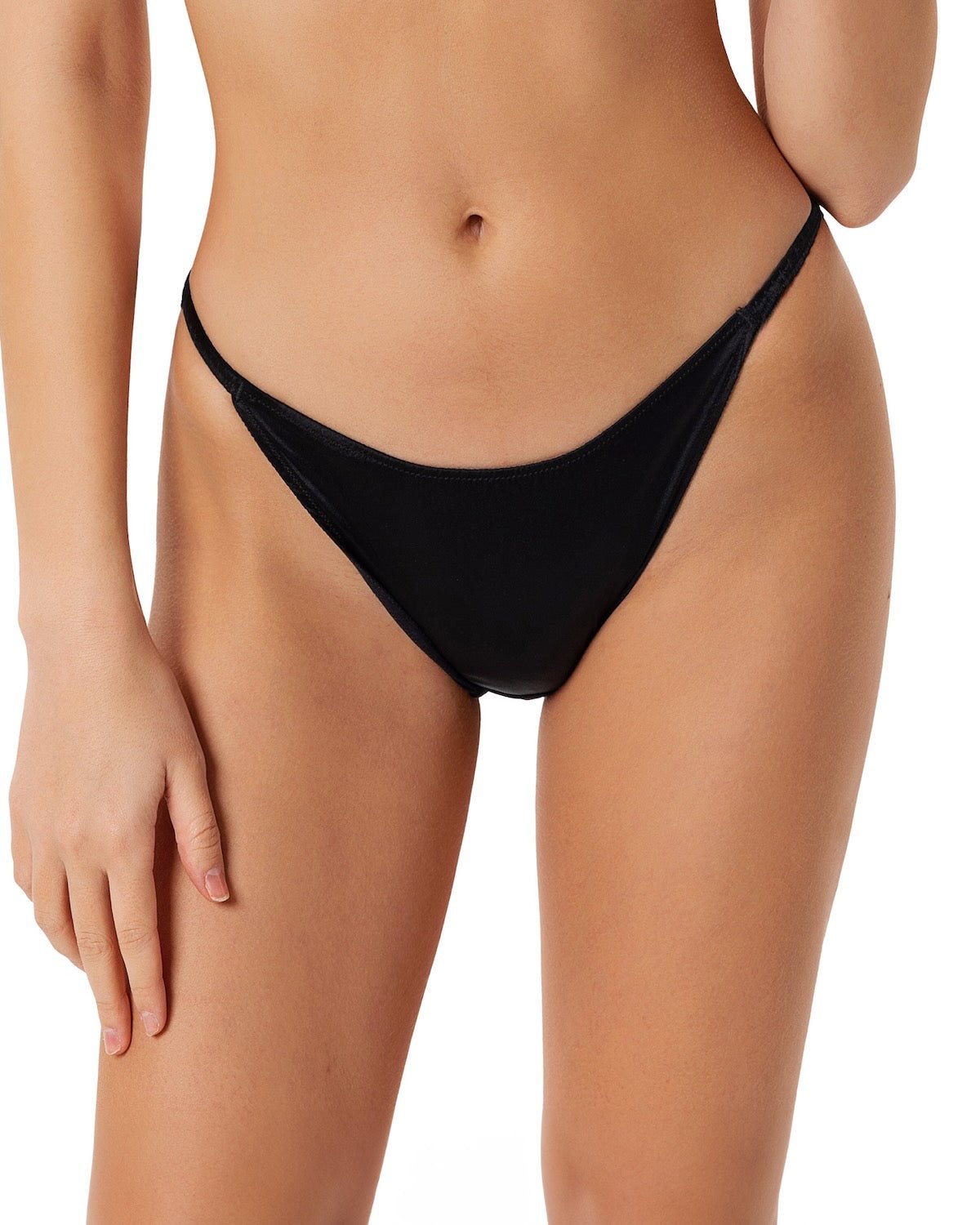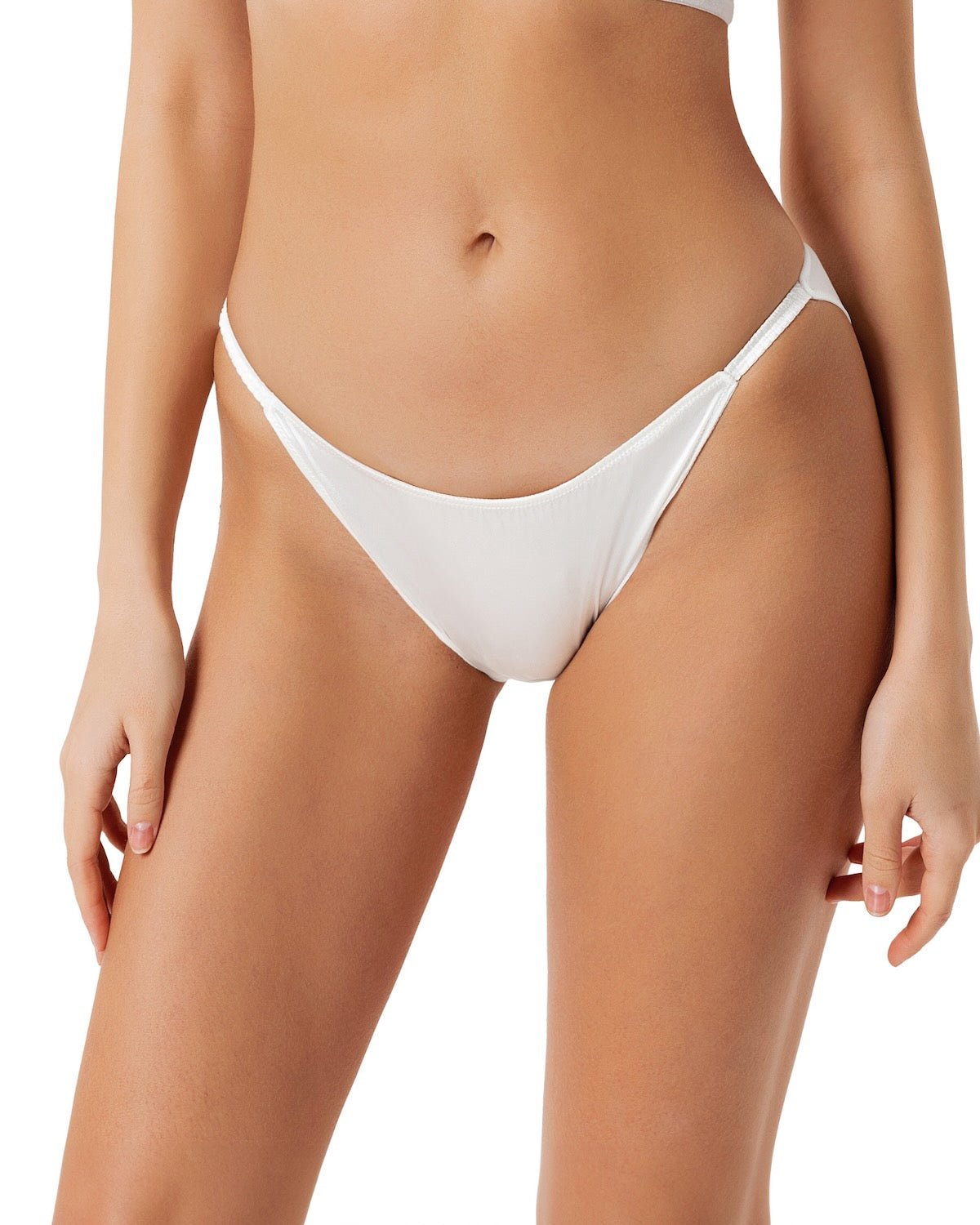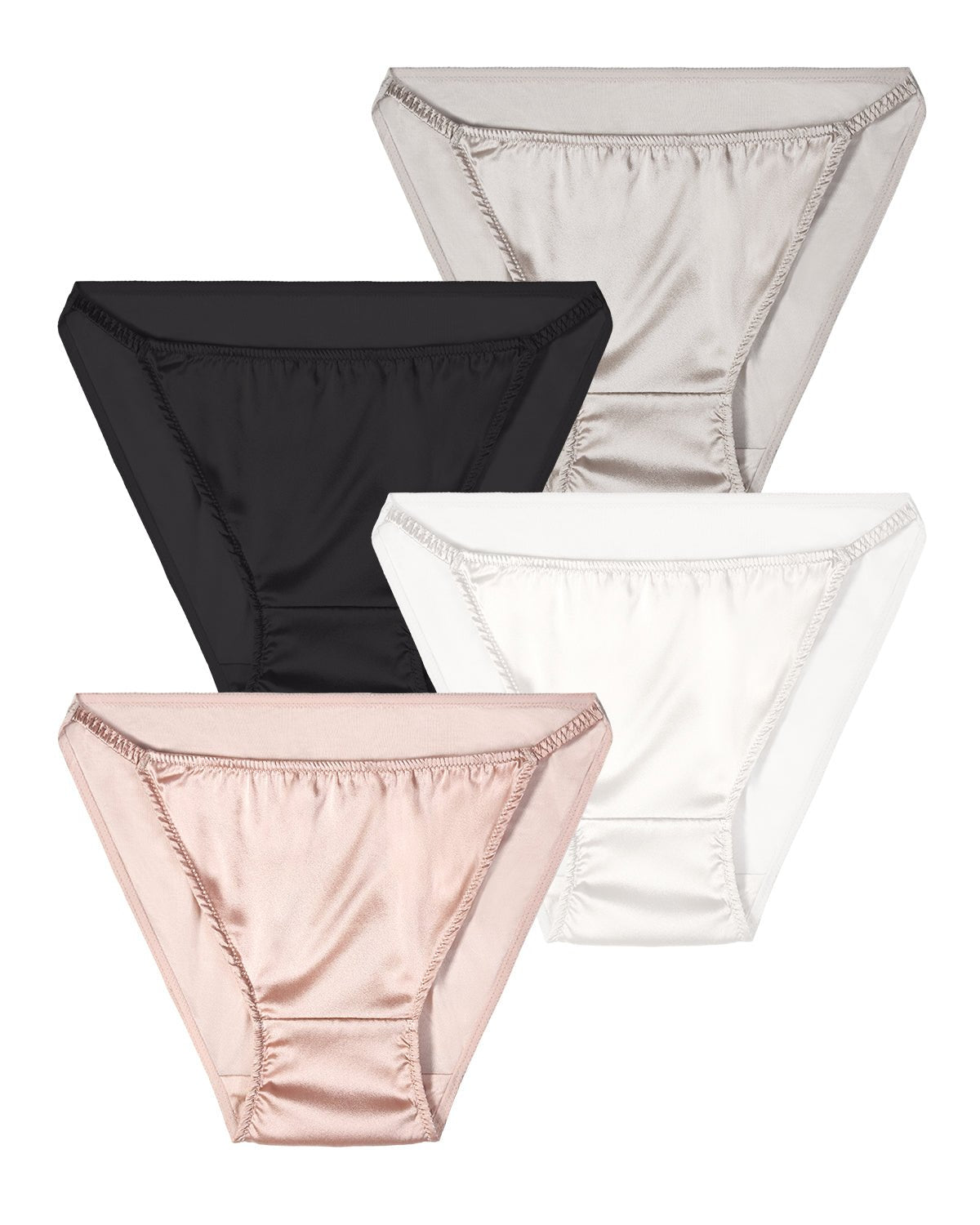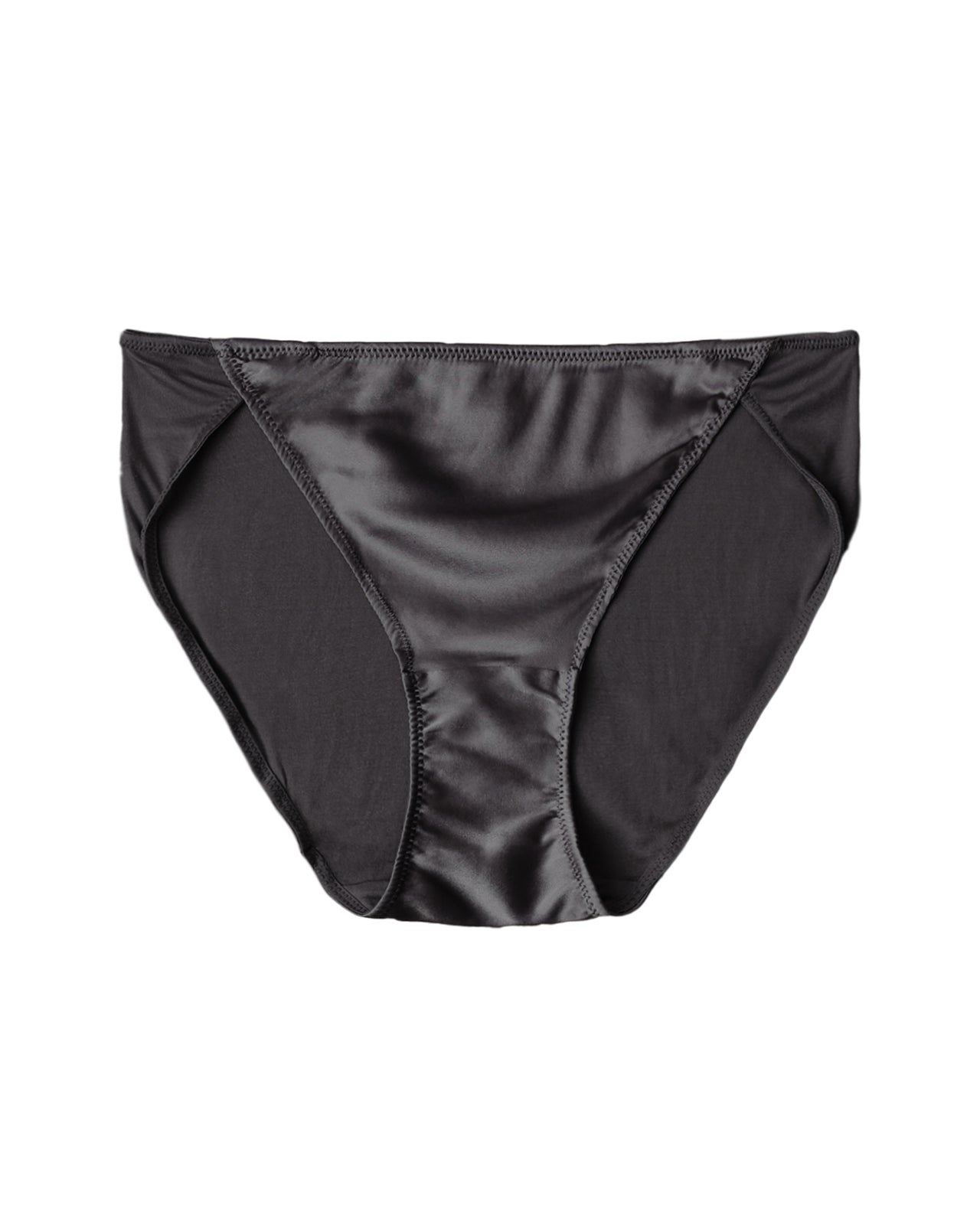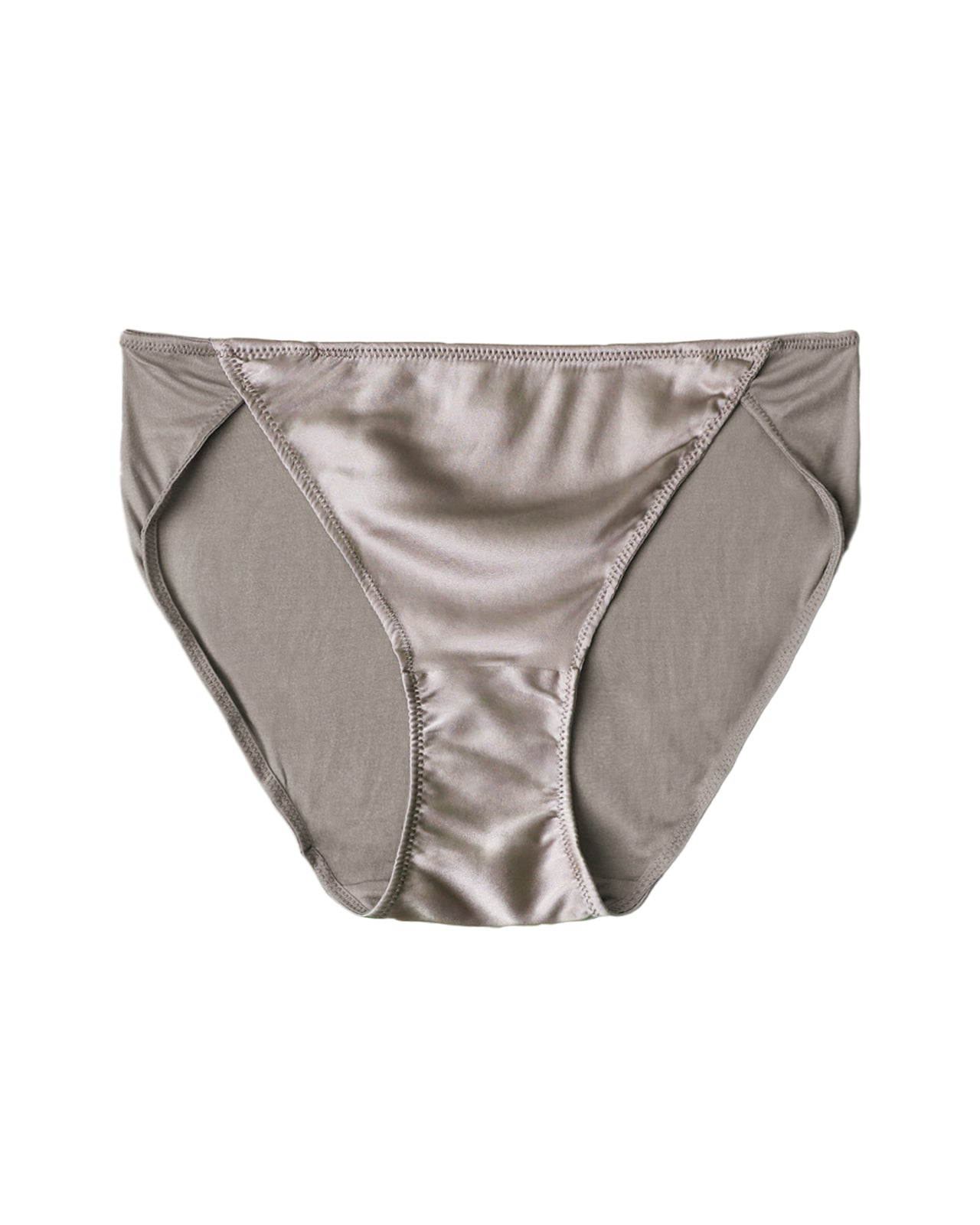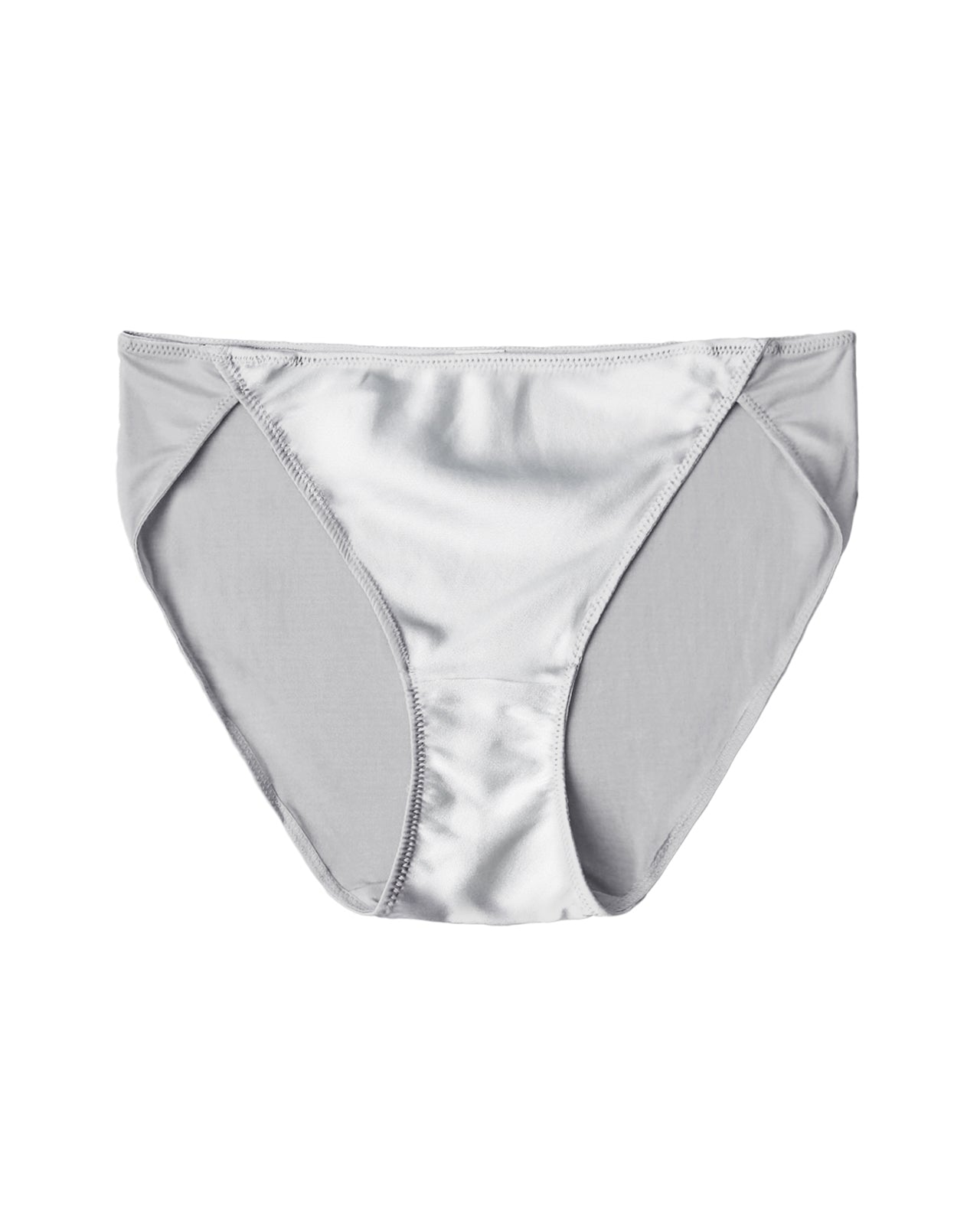

If your waist and hip measurements point to different underwear sizes, don't automatically choose the larger size or let the waist measurement decide on its own.
Check both measurements against the size chart for the style you want. Pay particular attention to any measurement that is close to—or already outside—the published range.
Three FEELITS men's styles show why:
All three use familiar letter sizing, but their published waist and hip ranges—and even their available size ranges—are not identical.
Start With the Size Chart for the Exact Style
Use current body measurements rather than the size printed on another pair of underwear.
For underwear sizing, the waist measurement should be taken where the waistband of that specific style is designed to sit. It should not automatically be taken at the narrowest part of the natural waist.
For a low-rise style, that measurement point will sit lower on the body.
Measure the hips around the fullest part of the hips and buttocks.
If both measurements fall within one size range, the chart gives you a relatively straightforward starting point.
The harder case looks like this:
Waist → M
Hips → L
At that point, “I usually wear M” does not tell you enough. You need to see where each measurement falls within that product's actual ranges.

What If Your Waist Says M but Your Hips Say L?
THM02 provides a useful example.
| Size | Waist | Hips |
|---|---|---|
| M | 92–106 cm | 100–112 cm |
| L | 96–110 cm | 104–116 cm |
| XL | 98–112 cm | 108–120 cm |
Consider a hypothetical shopper with:
Waist: 93 cm
Hips: 115 cm
Here, the waist measurement is taken at the position where the THM02 waistband is intended to sit.
The 93 cm waist falls within M.
The 115 cm hips are above the M hip range and fall within both L and XL.
M no longer covers both measurements, while the L waist range starts at 96 cm—above this shopper's 93 cm waist.
A universal “always choose the larger size” rule does not fully resolve that combination.
Product-specific sizing notes can add context. For example, the current KNM06 guidance recommends sizing up when between sizes or when a less fitted feel is preferred. THM02 also includes a size-up recommendation for extra comfort.
Those notes apply to the individual style. They do not create a rule that every waist–hip conflict should automatically be solved by choosing the larger size.

Pay Attention to the Measurement That Reaches a Limit
KNM06 uses these published ranges:
| Size | Waist | Hips |
|---|---|---|
| M | 84–98 cm | 92–104 cm |
| L | 88–102 cm | 96–108 cm |
| XL | 92–106 cm | 100–112 cm |
Its waist ranges overlap substantially. In some cases, the hip measurement can narrow the available options more clearly than the waist.
KNM03 uses another set of ranges:
| Size | Waist | Hips |
|---|---|---|
| M | 66–80 cm | 76–90 cm |
| L | 70–85 cm | 80–95 cm |
| XL | 74–90 cm | 84–100 cm |
| XXL | 78–95 cm | 88–105 cm |
Its ranges are clearly different from KNM06, and KNM03 also extends to XXL.
A KNM06 size should not be carried directly over to KNM03.
How the Same Numeric Inputs Map Across Three FEELITS Size Charts
To compare the published charts themselves, consider the same hypothetical inputs:
Waist: 95 cm
Hips: 110 cm
This is a chart comparison. It does not mean that one person's waistband-position measurement would remain exactly 95 cm across three styles that may sit at different heights on the body.

KNM06 — String Brief
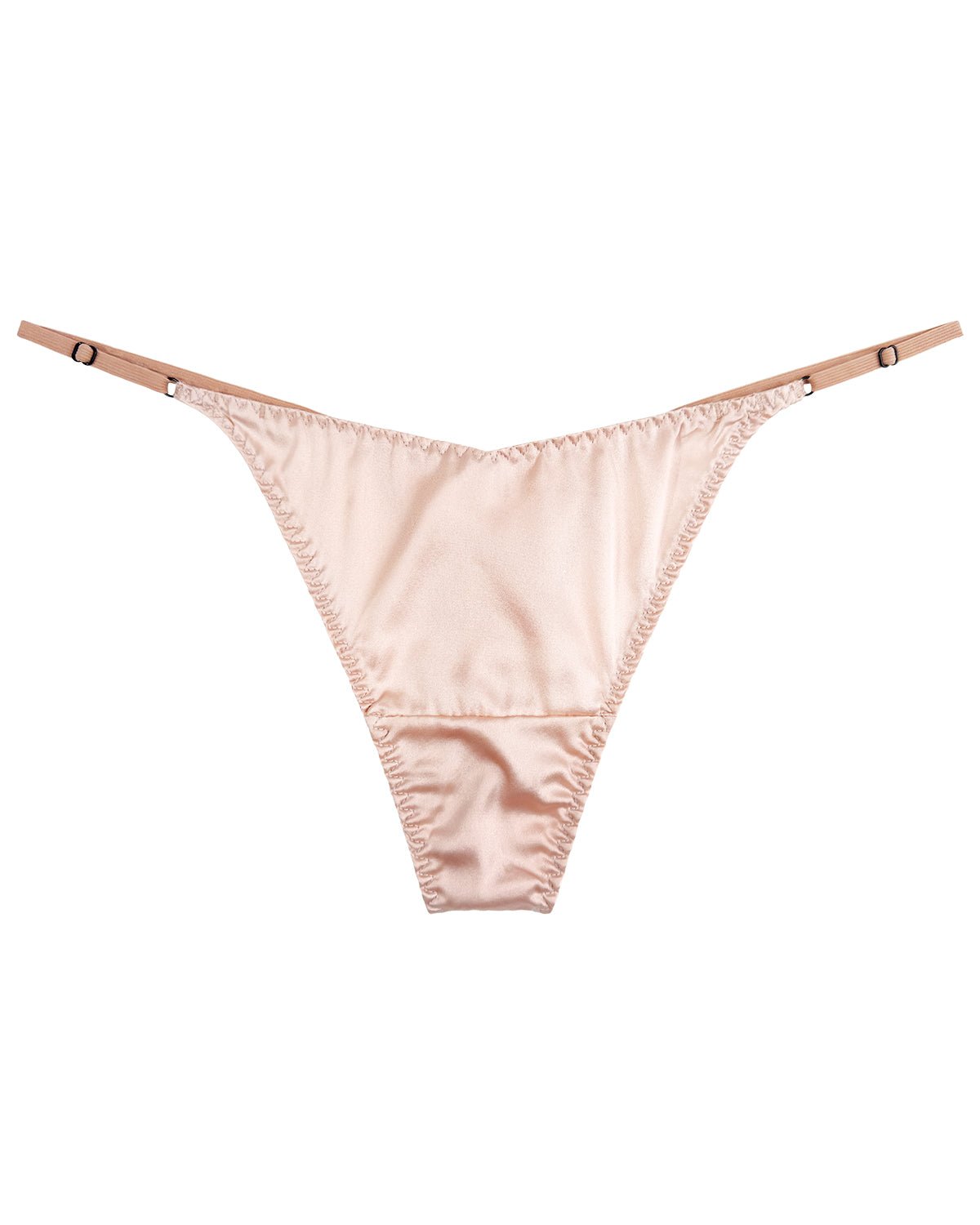
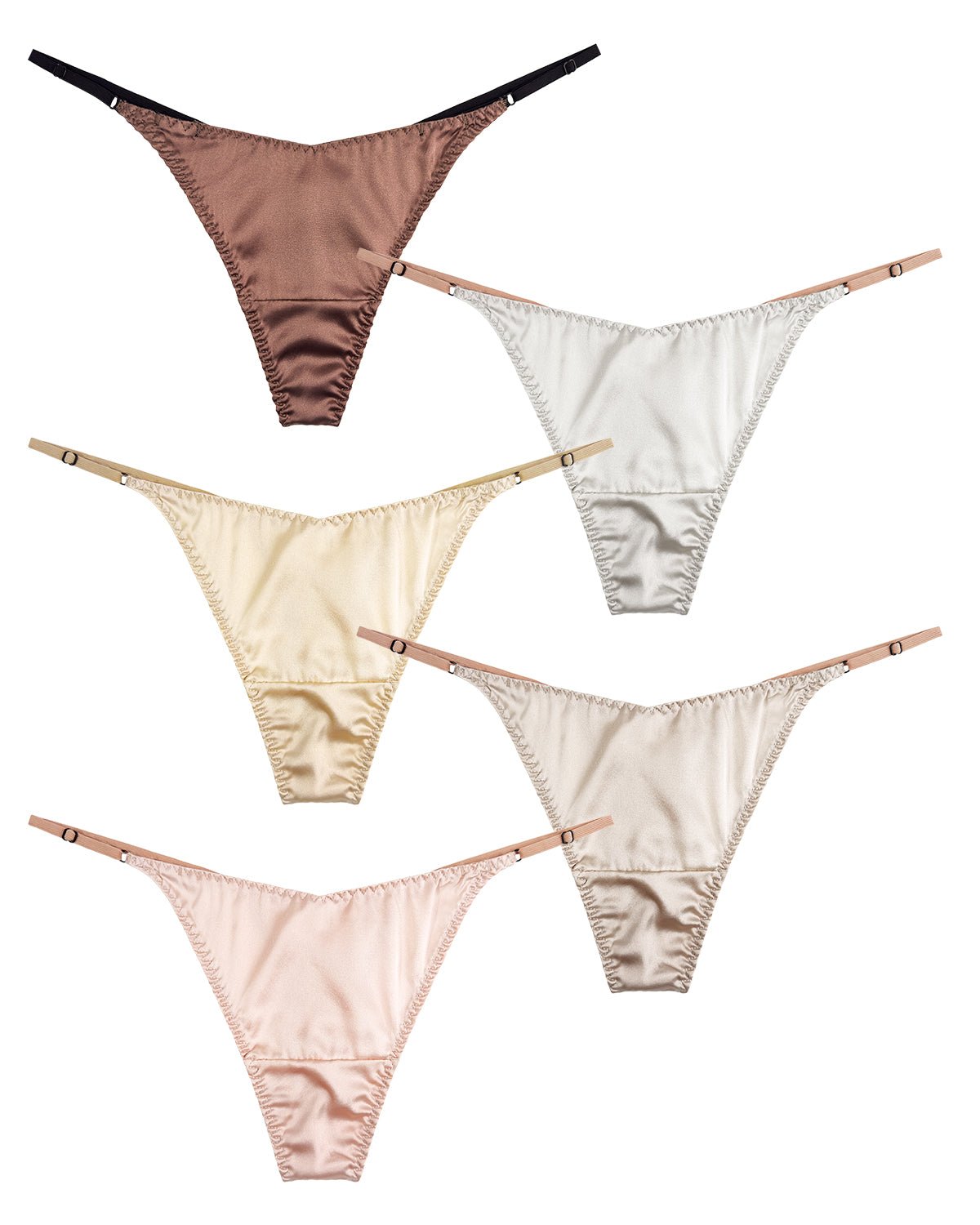
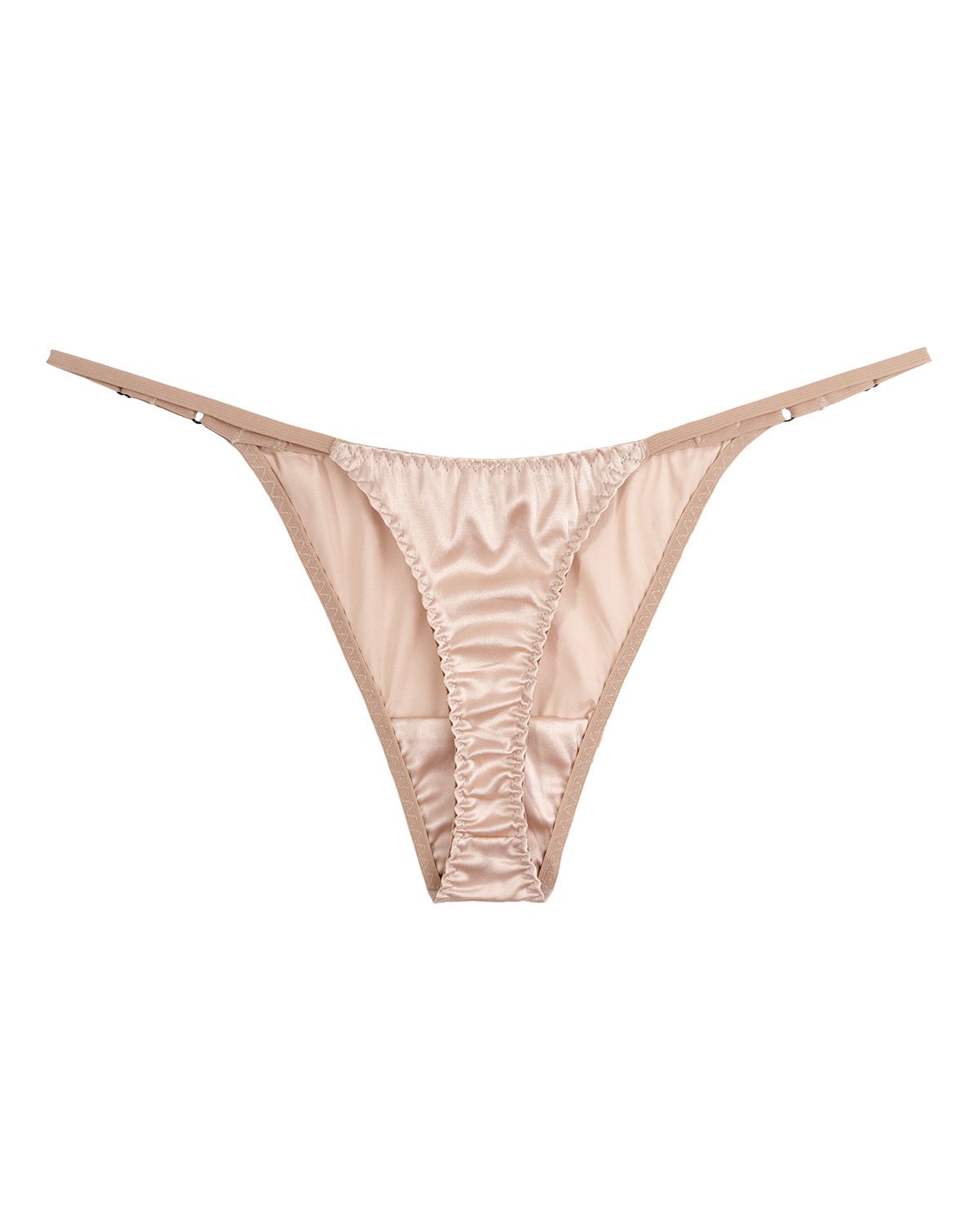
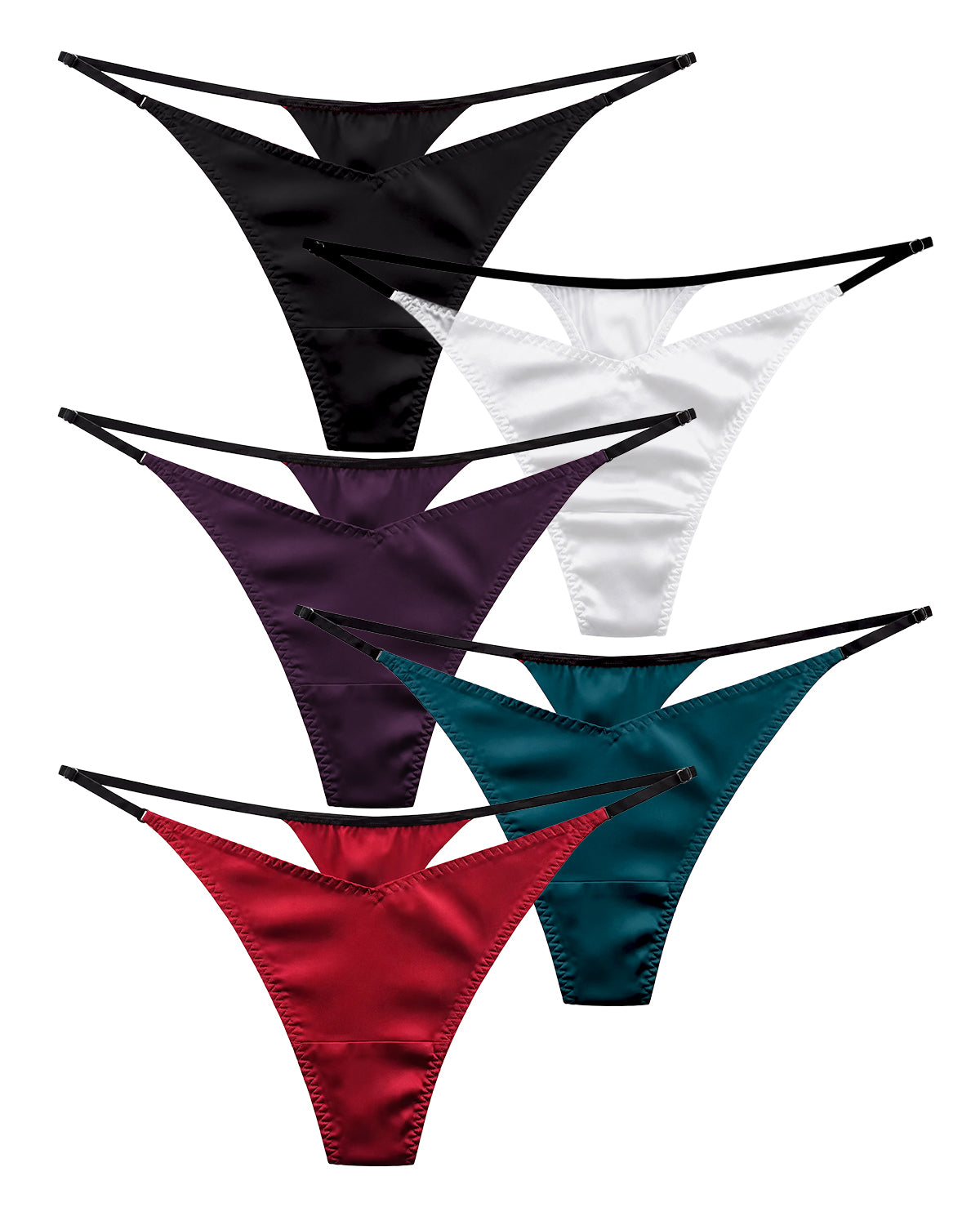
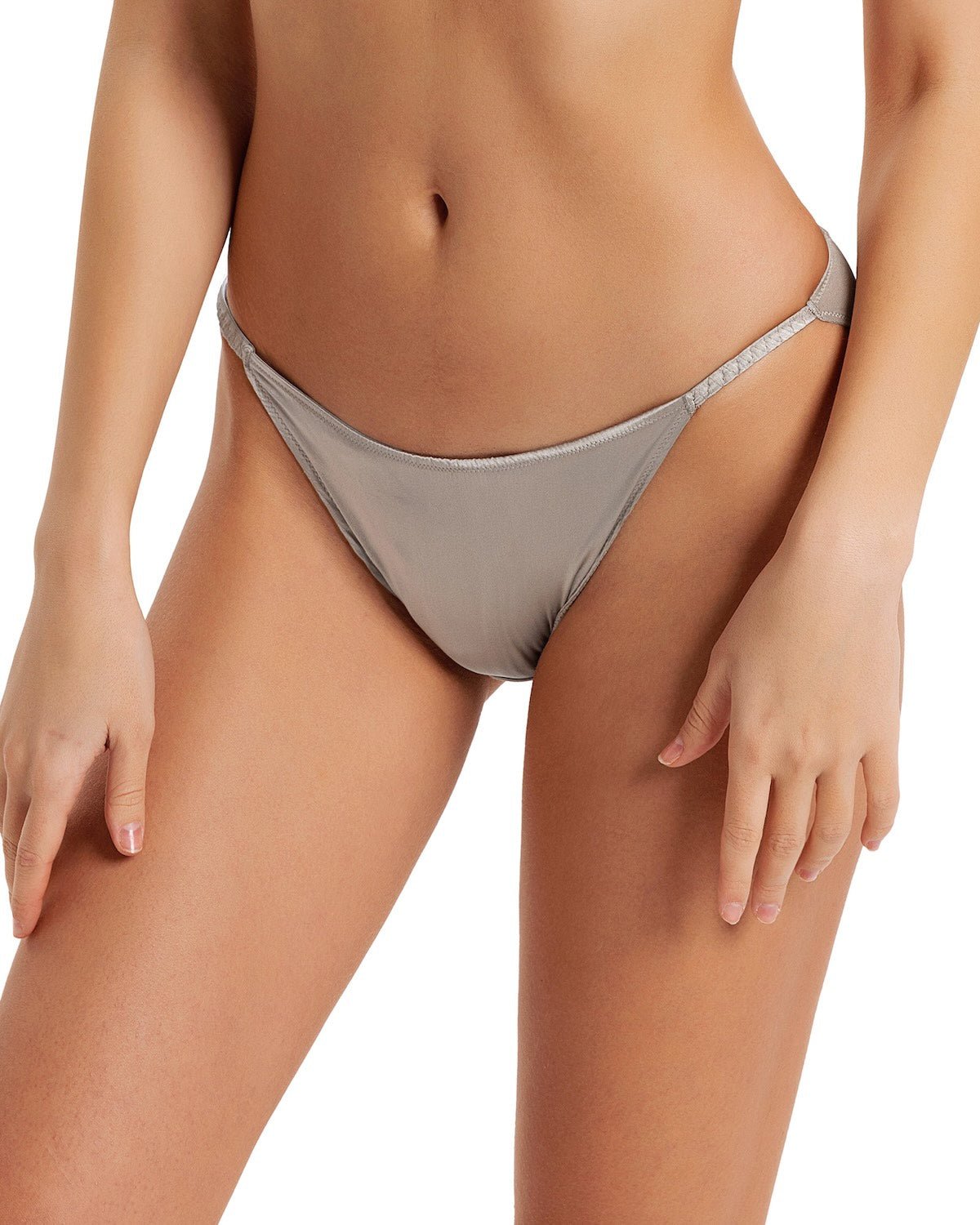
KNM06 is a low-rise string brief with slim sides and more rear fabric than a T-back thong.
At 95 cm, the waist falls within M, L, and XL.
At 110 cm, the hips fall within XL.
For this chart, the hip measurement narrows the available choice.
KNM03 — Boxer Brief
KNM03 is a boxer brief.
Its largest published size is XXL:
Waist: 78–95 cm
Hips: 88–105 cm
With the same numeric inputs:
- the 95 cm waist sits at the upper limit of XXL;
- the 110 cm hips exceed the published XXL maximum of 105 cm.
The same numbers that can still be placed within the KNM06 chart do not fit completely within the KNM03 chart.
THM02 — T-Back Thong
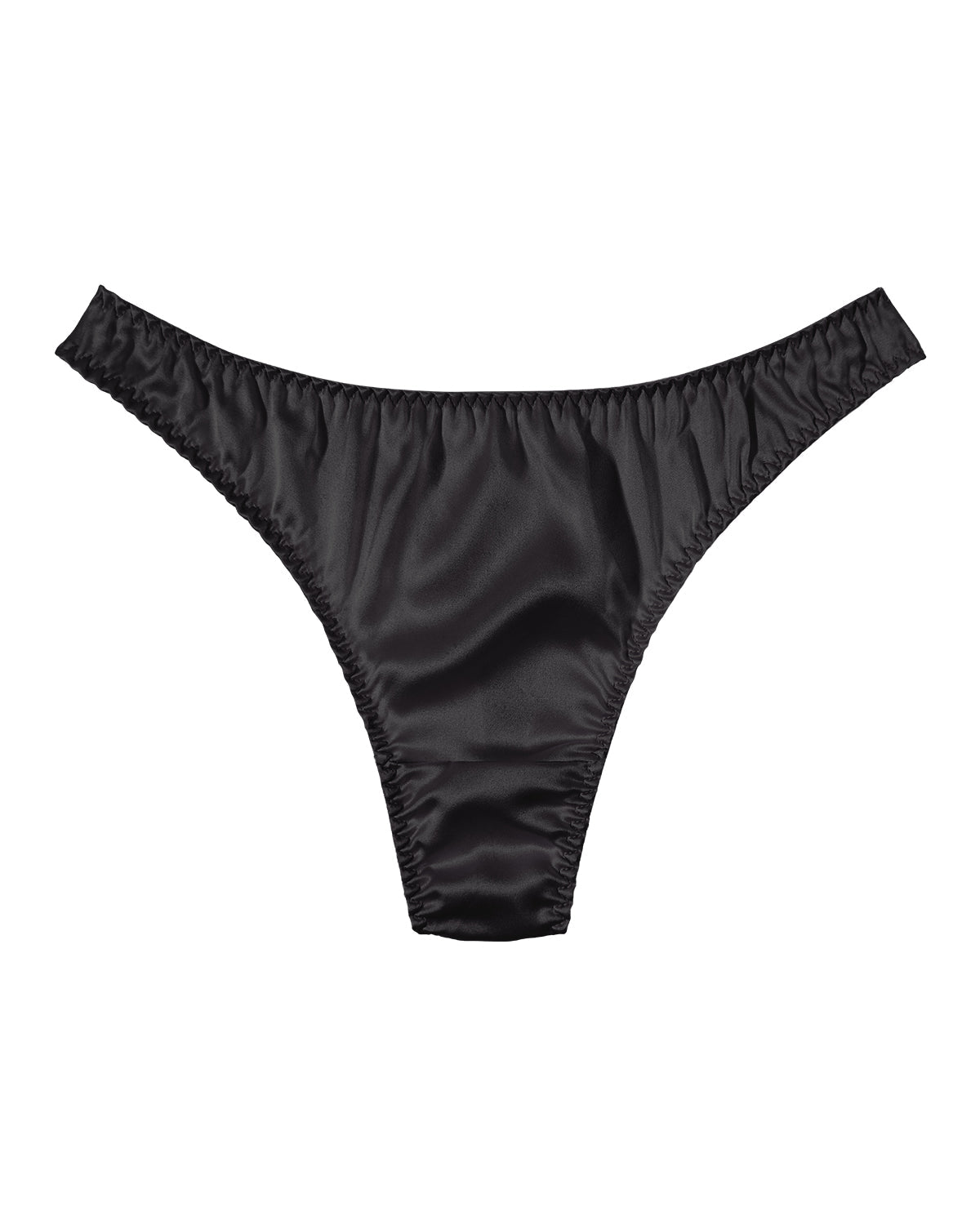
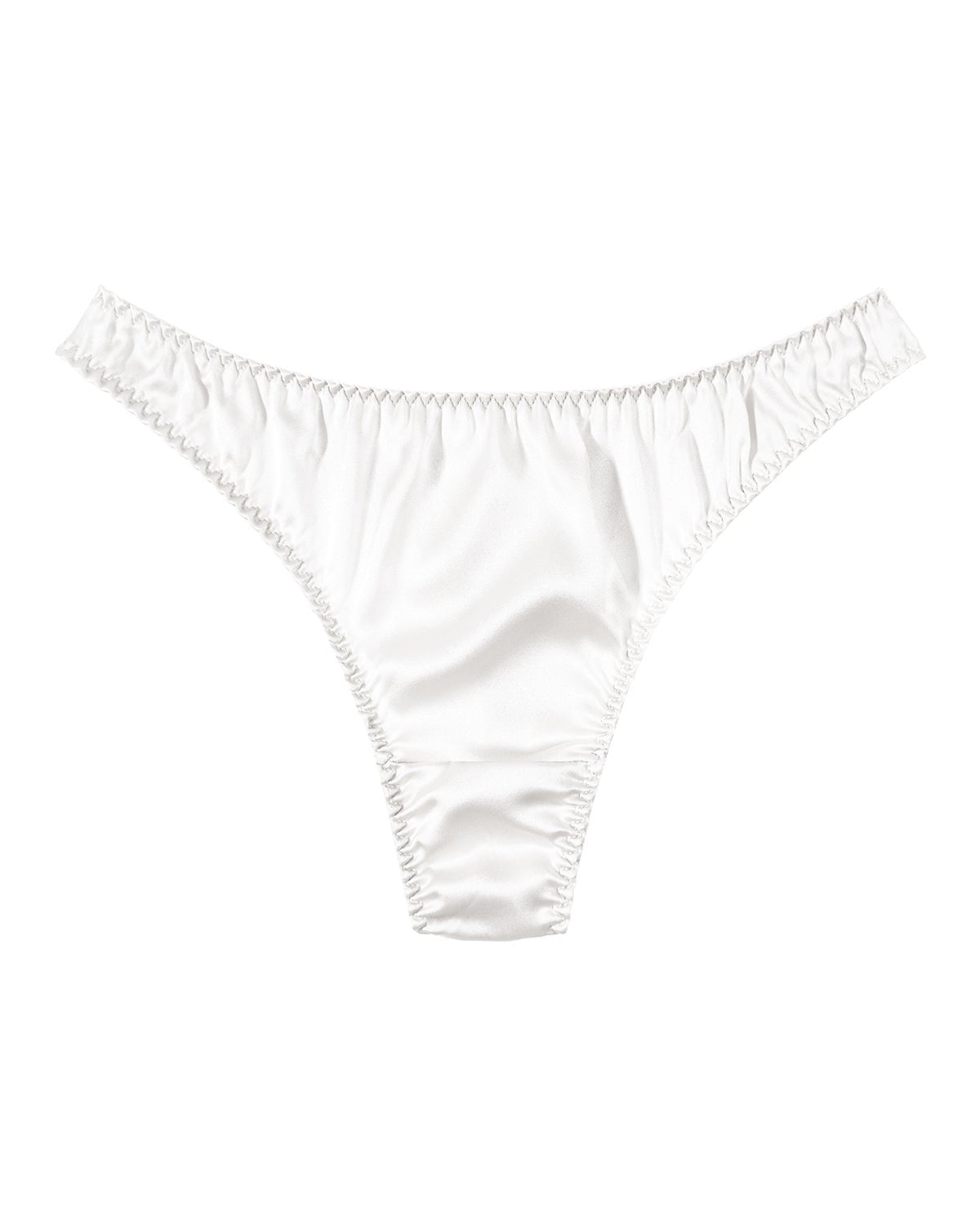
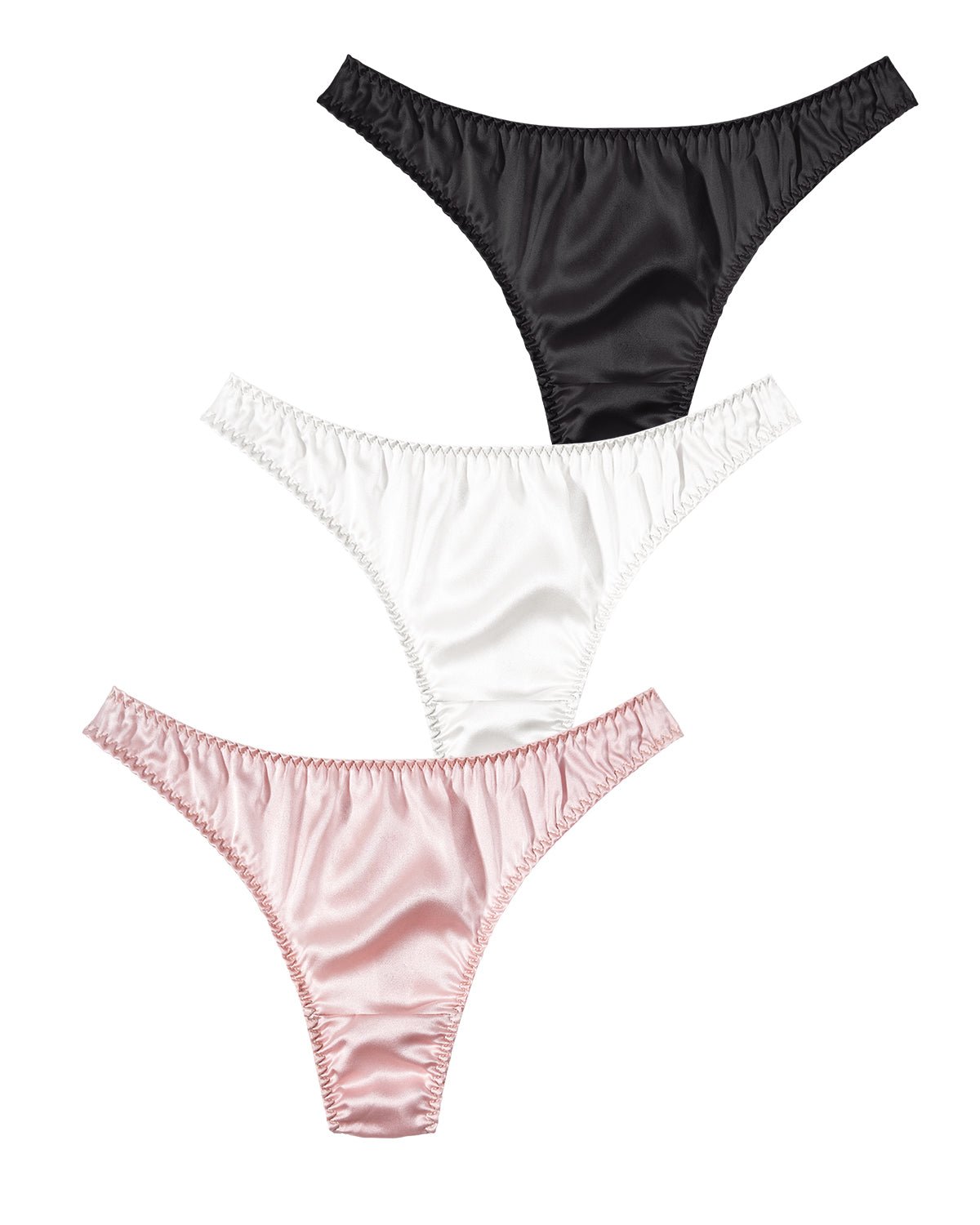
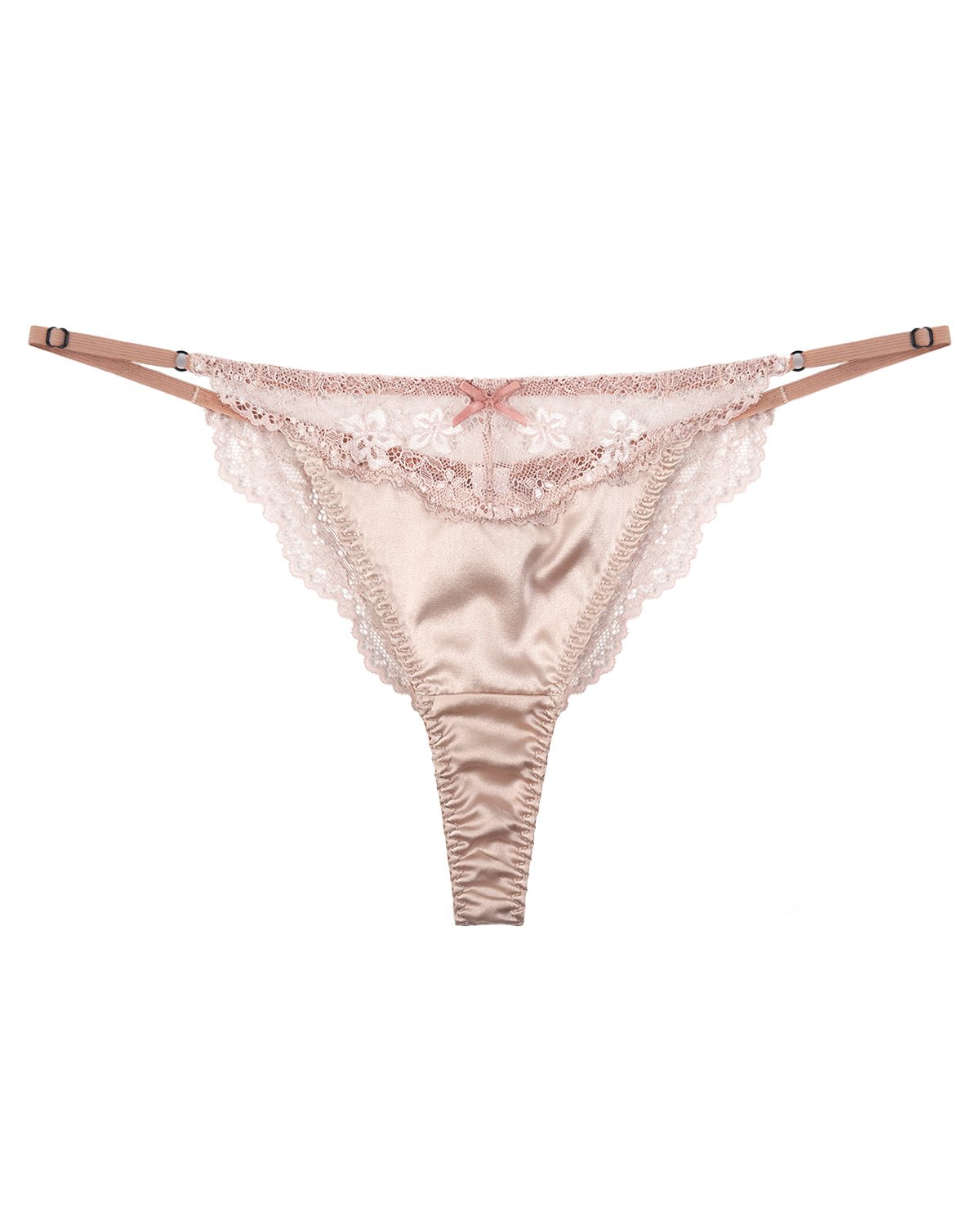
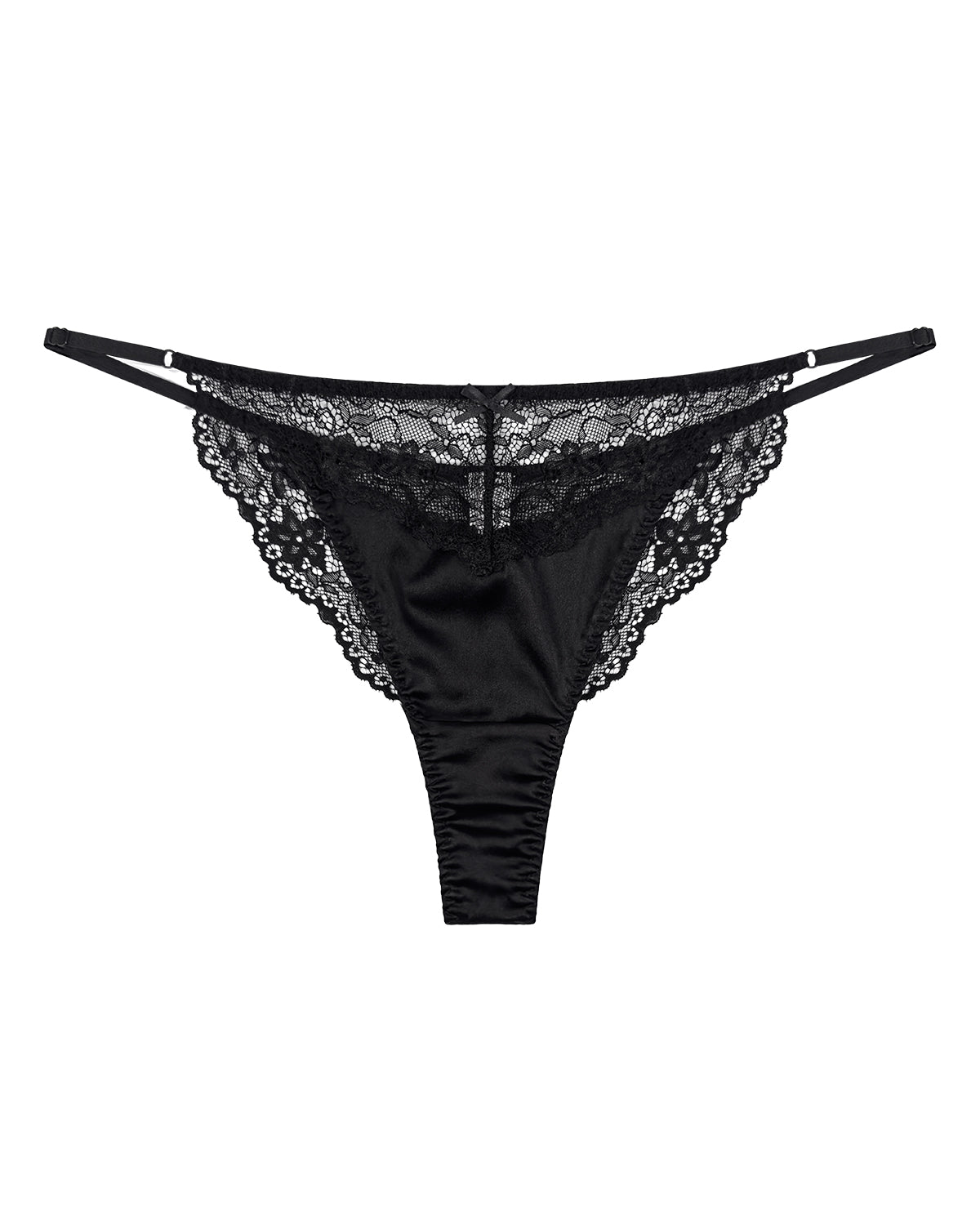
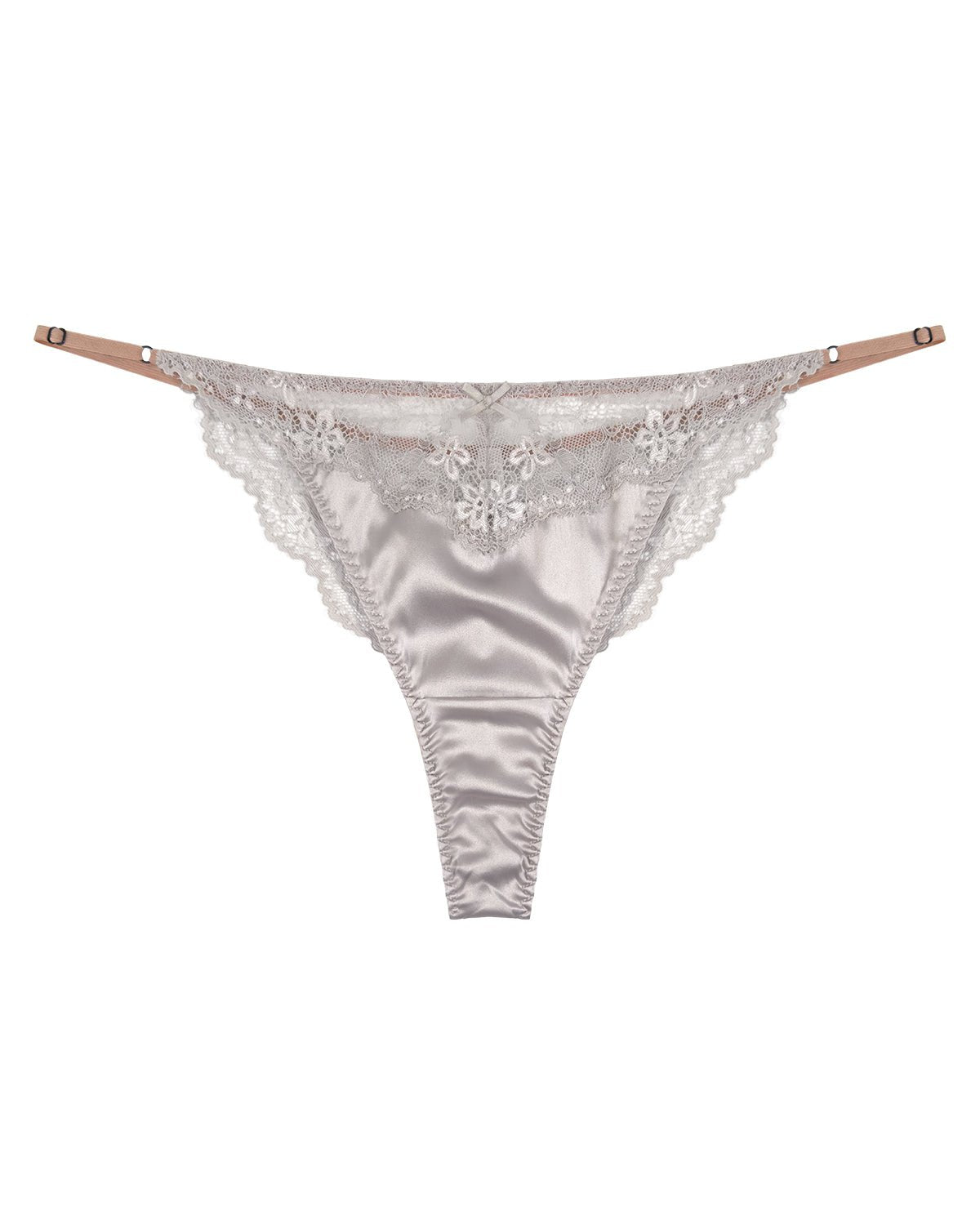
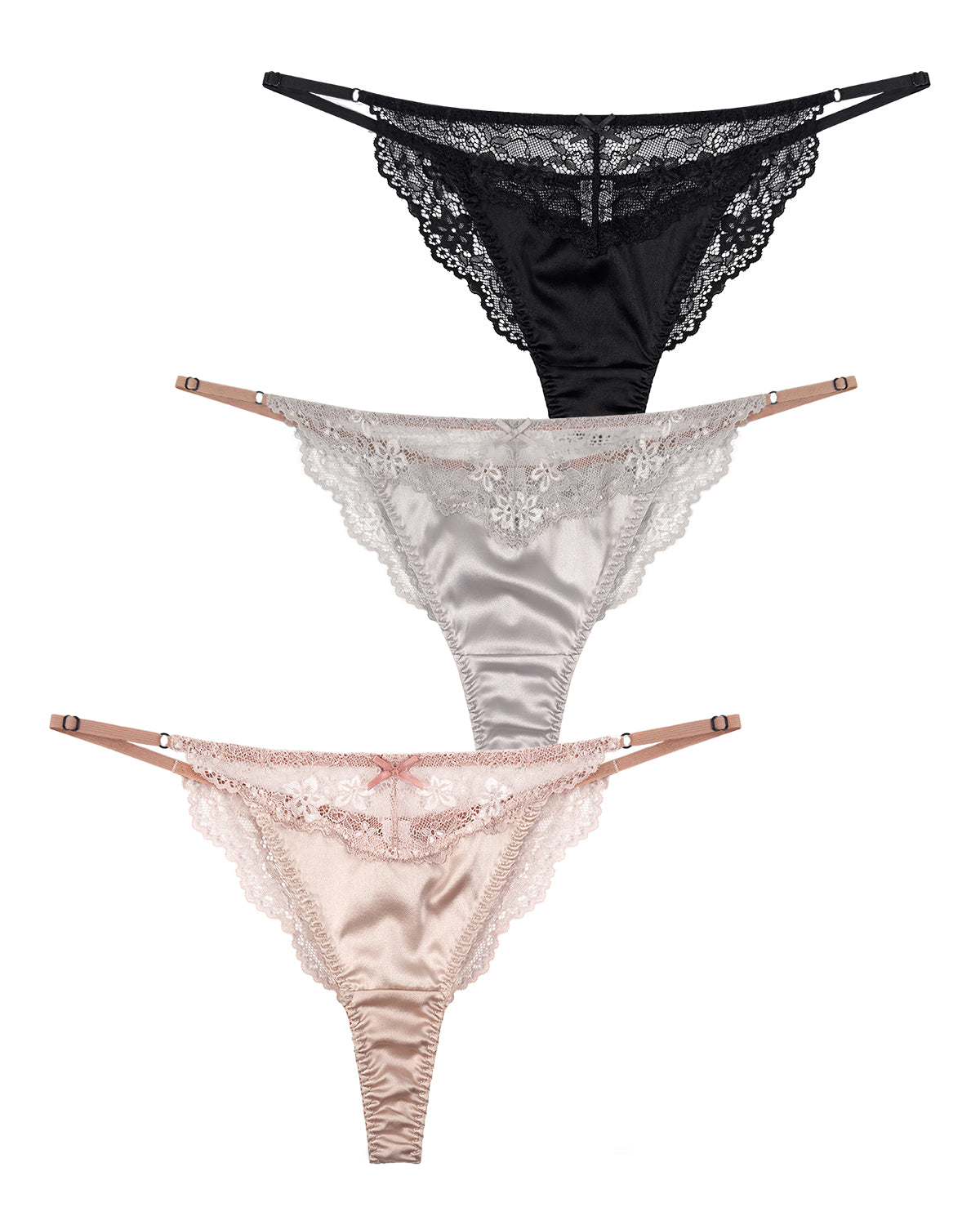
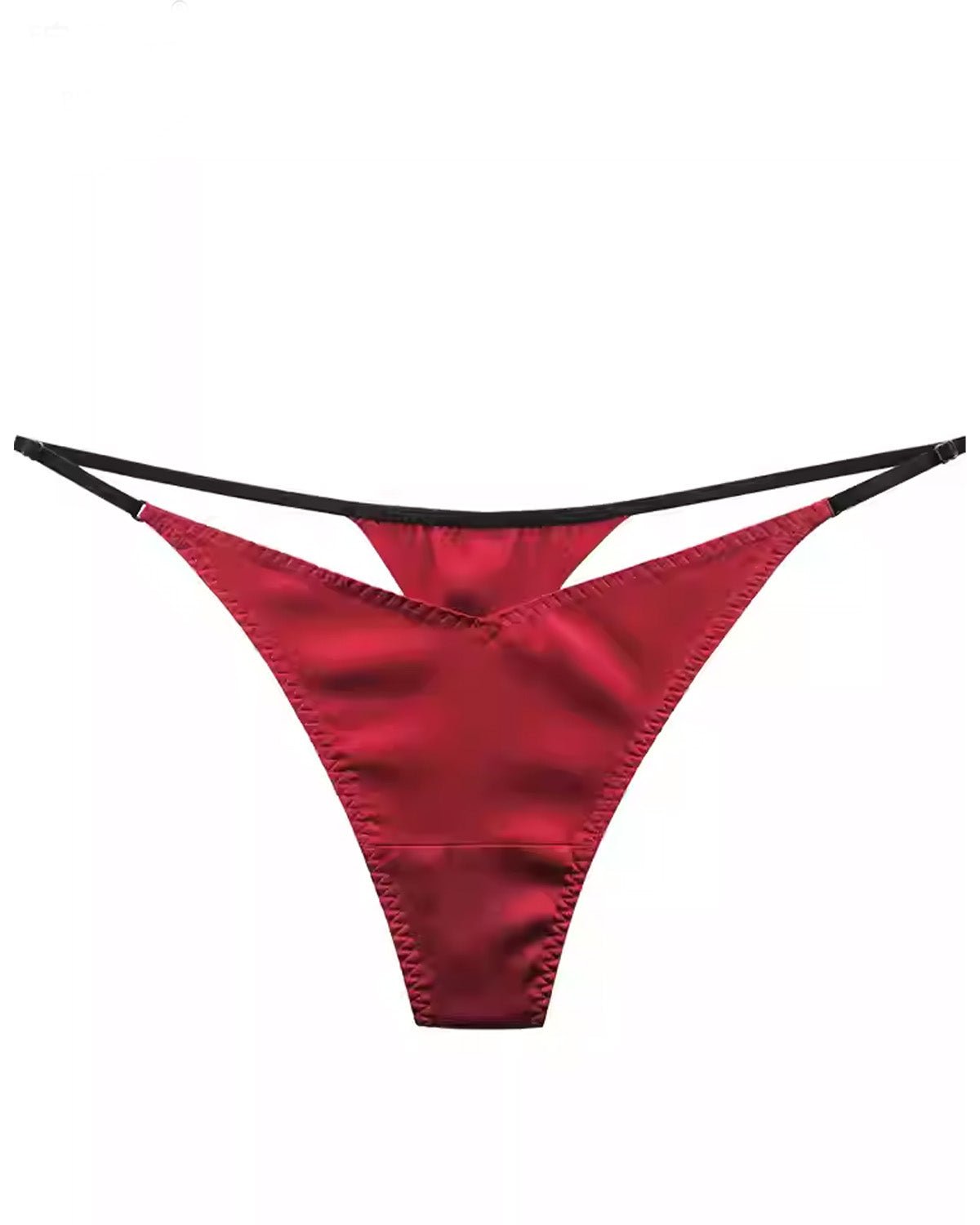
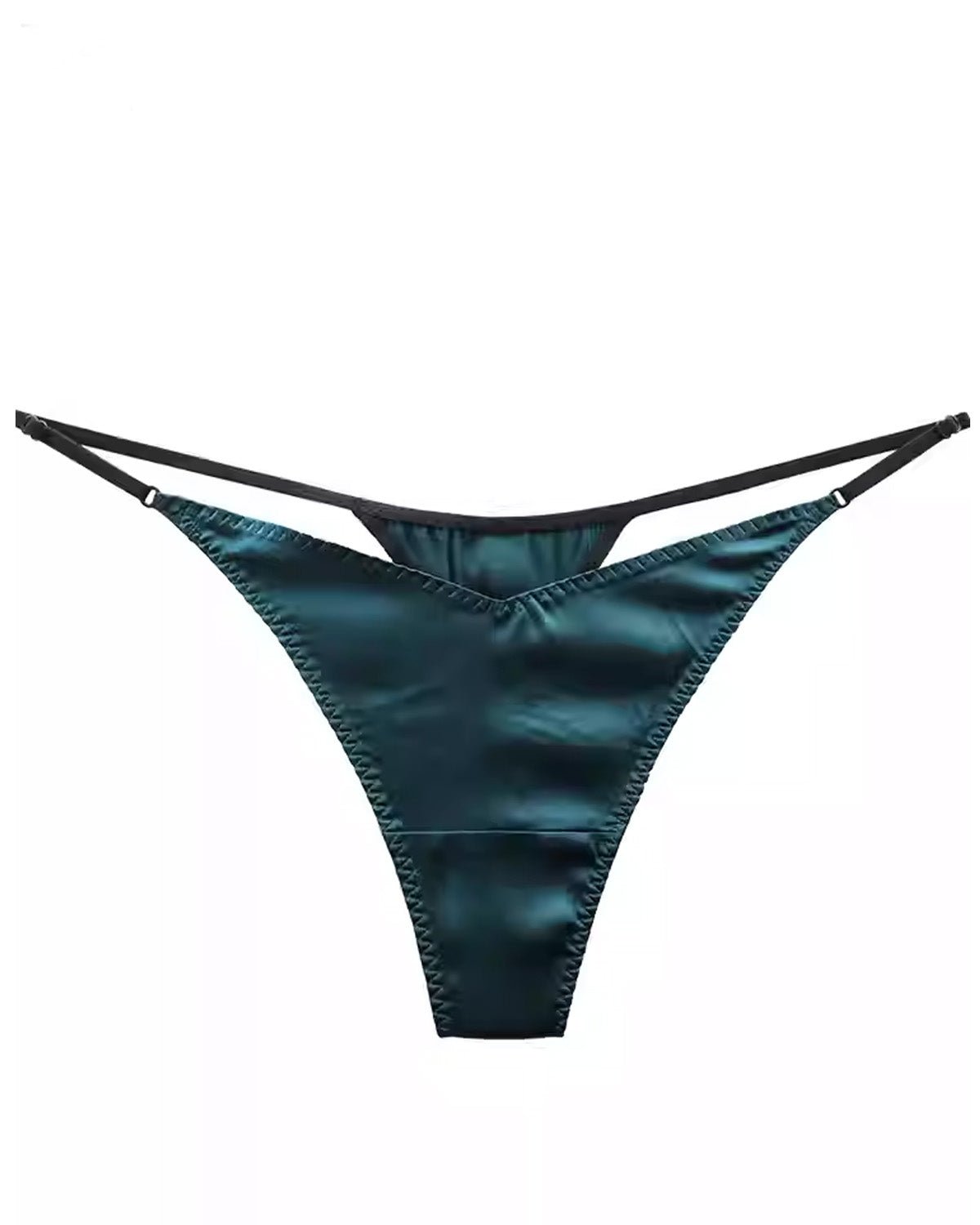
THM02 uses a T-back silhouette with minimal rear coverage and a double-layer pouch.
A 95 cm waist falls within M.
A 110 cm hip measurement falls within more than one of its published hip ranges.
The same 95 cm waist / 110 cm hips inputs therefore produce three different chart results:
- KNM06: the hip measurement points to XL
- KNM03: the waist reaches the XXL upper limit, while the hips exceed the published range
- THM02: the waist falls within M, while the hips overlap several ranges
A familiar M, L, XL, or XXL should not be transferred between these styles without checking the individual chart.
Don't Use Stretch as a Shortcut
Do not assume a smaller size will work simply because a fabric or waistband can stretch.
Fiber content alone does not tell you exactly how much a finished garment will give. Fabric structure and separate elastic components can also influence fit.
Silk fabrics are not all constructed the same way. Knitted and woven silk, for example, use different structures, and some garments may include additional stretch fibers or separate elastic components.
None of that supports an automatic rule such as:
“This fabric stretches, so I can size down.”
Without product-specific stretch testing, there is no verified amount of stretch that can be converted into a smaller underwear size.
For more background, see how knitted and woven silk differ in Is Knitted Silk Real Silk? Knit vs. Woven Silk Explained.
A Practical Way to Read a Waist–Hip Size Conflict
Use the chart in this order:
1. Measure at the waistband position for that style.
Take the circumference where the waistband is designed to sit. For a low-rise style, do not automatically use the narrowest part of your natural waist.
2. Check your hips separately.
Measure around the fullest part of the hips and buttocks.
3. Find the limiting measurement.
Which number is closest to a boundary or already outside a range?
4. Compare the next size.
If moving up accommodates the hips, check whether the waistband-position measurement still falls within the larger size's published range.
5. Check the cut and any product-specific sizing note.
A string brief, boxer brief, and T-back thong do not share the same shape, waistband position, or necessarily the same sizing guidance.

What to Send Customer Service for a Size Recommendation
For a product-specific sizing recommendation, three details are more useful:
Waist measurement at the waistband position + Hip measurement + Product name
For example:
Waist: 93 cm
Hips: 115 cm
Style: THM02
Those numbers can be checked directly against the THM02 chart.
Compare that with:
“I normally wear M.”
That does not show whether:
- the hips exceed the M range;
- the waist falls within several overlapping ranges;
- the waist measurement was taken where that style's waistband actually sits;
- the usual M comes from a completely different cut.
For a FEELITS sizing question, the recommendation can then be checked against the actual product chart rather than a universal waist-versus-hip rule.
For related context, see why the same underwear size can fit differently in Why Do Two Silk Panties in the Same Size Fit Differently?
When Is It Better to Ask Before Ordering?
Sizing help is especially useful when:
- one measurement falls outside the smaller size while the other falls below the next size's range;
- the waist and hips point to sizes more than one step apart;
- one measurement falls outside the entire published chart;
- several overlapping ranges leave more than one possible size;
- you are unsure where a low-rise or other specific waistband is intended to sit.
Provide your waist measurement at the waistband position, hip measurement, and exact product name so the recommendation can be compared with the correct chart.
FAQ
Should I choose underwear size based on my waist or hips?
Check both.
The waist measurement should be taken where that specific underwear style is designed to sit, rather than automatically at the narrowest part of the natural waist.
If one measurement fits several sizes while the other reaches or exceeds a limit, the second measurement may narrow the available options more clearly.
Neither waist nor hips should be treated as a universal priority.
Should I size up if my hips suggest a larger size?
Not automatically.
First check whether your hips exceed the smaller size's published range. Then check whether your waist measurement at the intended waistband position still falls within the next size.
Also review any sizing note provided for that particular style. A product may recommend sizing up in certain situations, but that advice should not become a rule for every underwear cut.
What if my waist fits several sizes but my hips fit only one?
The hip measurement is doing more of the work in narrowing the chart.
KNM06 provides a useful example because its published waist ranges overlap considerably, while the hip ranges can eliminate options more quickly.
Looking only at the waist could therefore point to several sizes that do not all accommodate the hip measurement.
Does the underwear cut affect which size I should choose?
The cut changes the garment structure, the position of the waistband, and how much fabric is used around the sides and rear.
KNM06 is a string brief, KNM03 is a boxer brief, and THM02 is a T-back thong.
Their published body-measurement ranges also differ, so the same letter size should not automatically be transferred between them.
What if one of my measurements falls outside every listed size?
Do not force the nearest letter size based on the other measurement alone.
If either measurement falls outside the entire published chart, provide both measurements and the product name when asking for sizing help.
For the waist, make sure the measurement is taken at the intended waistband position for that style.