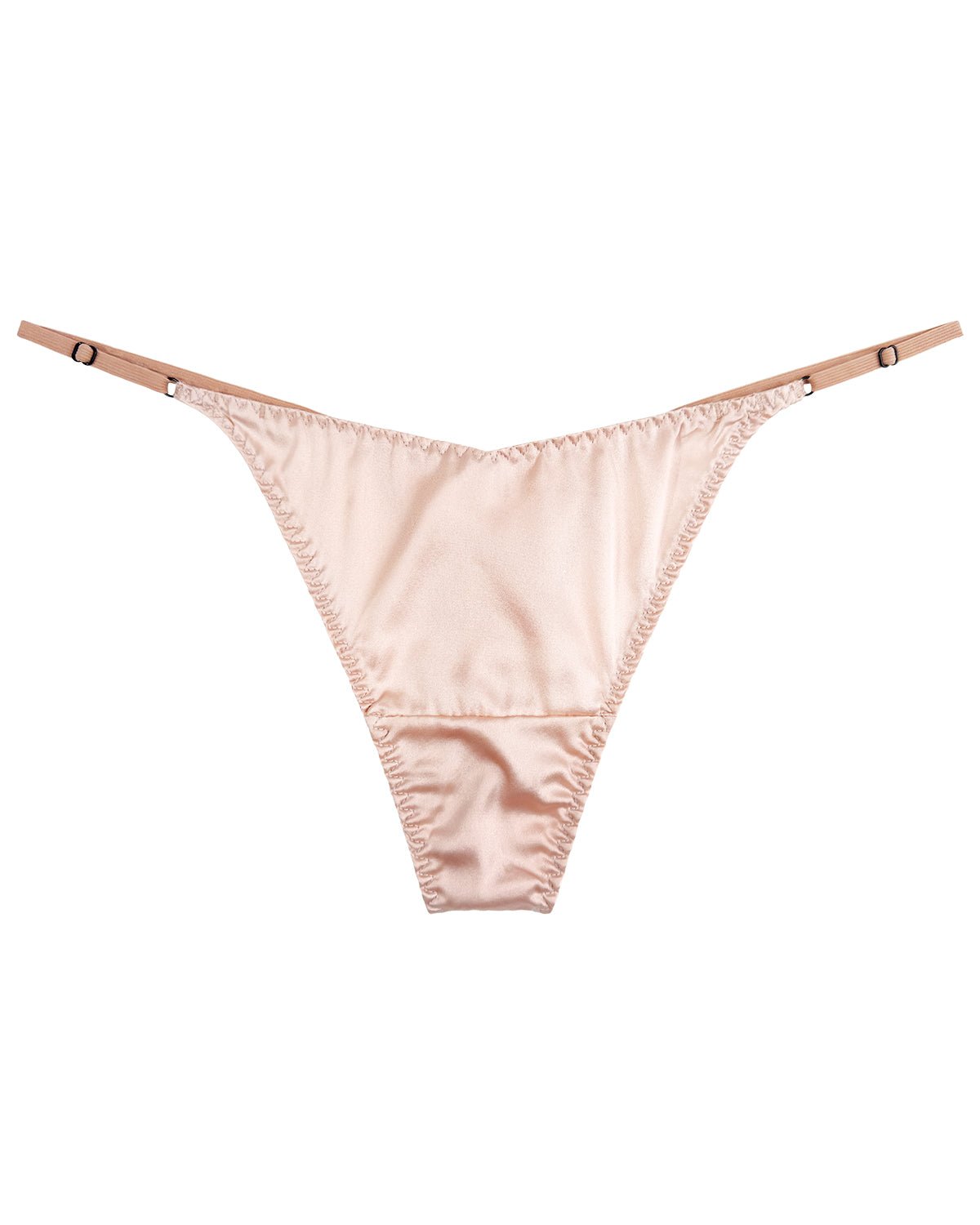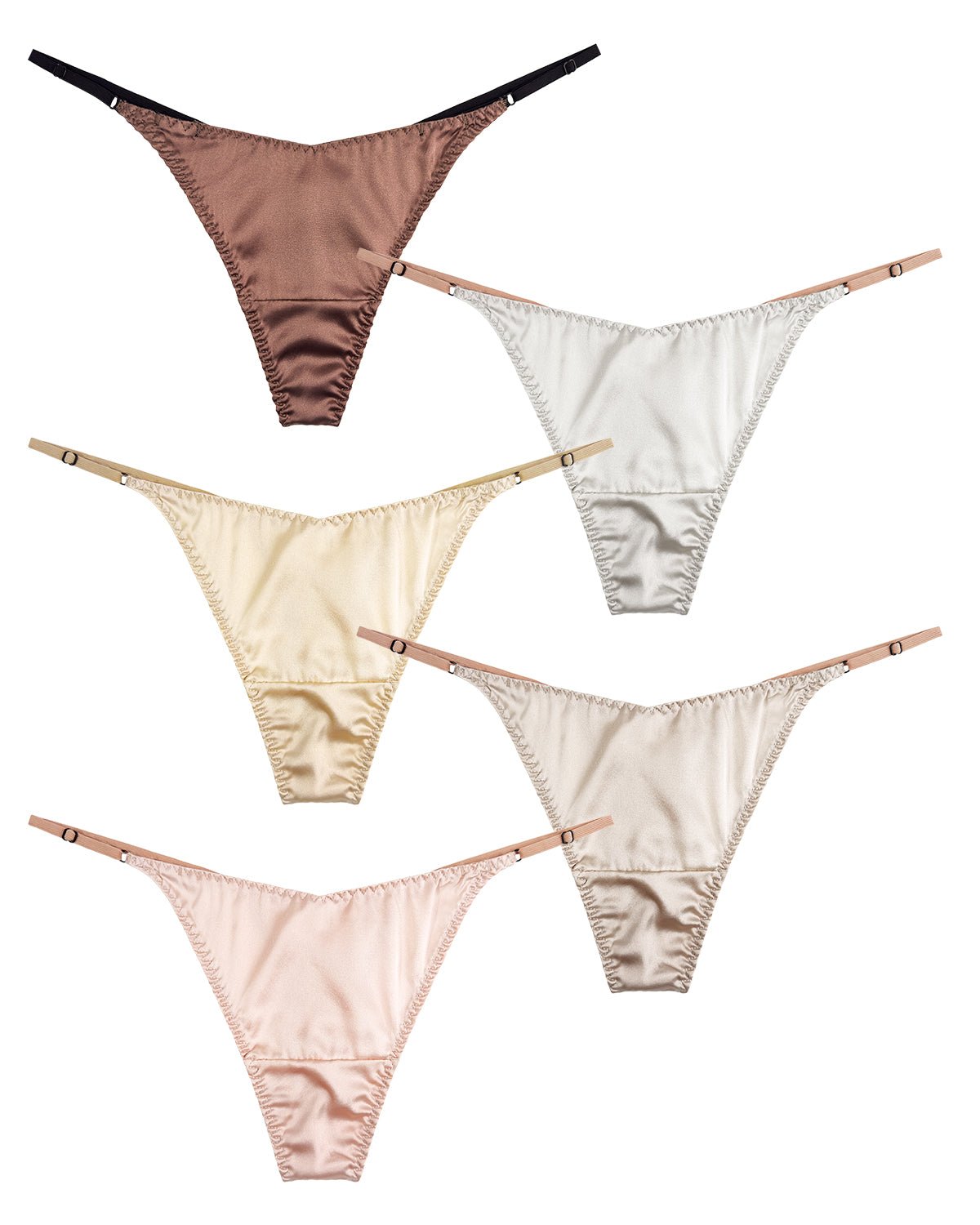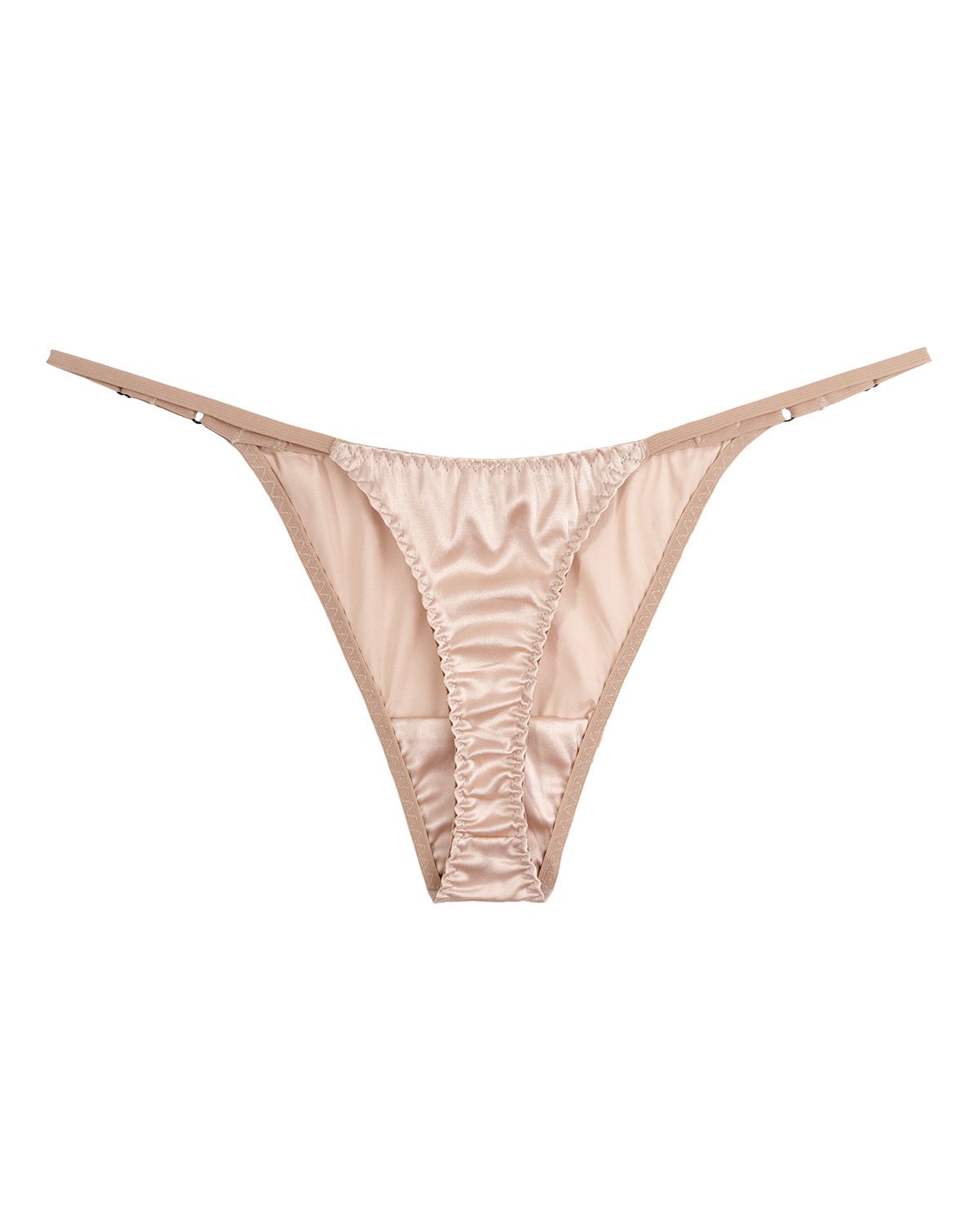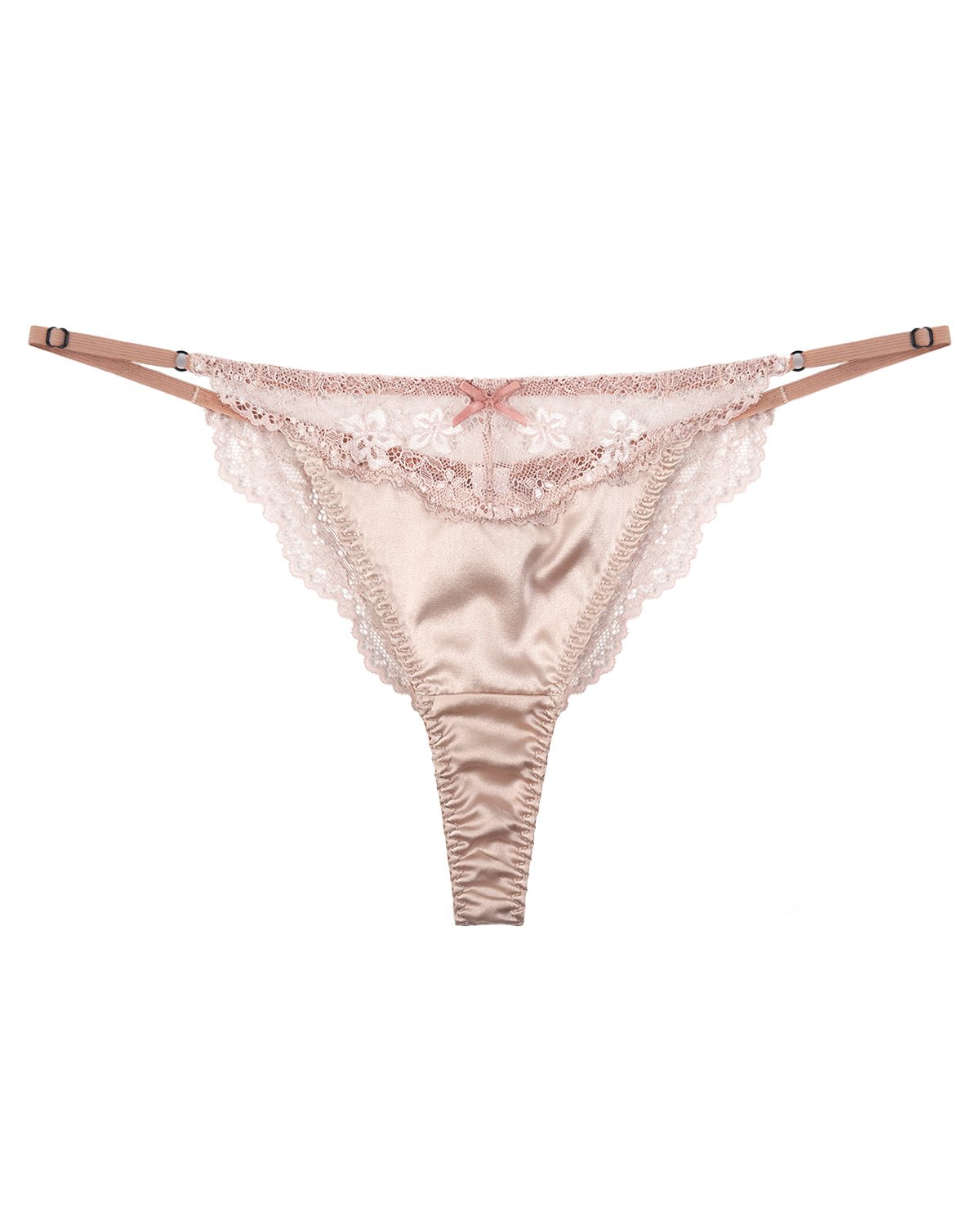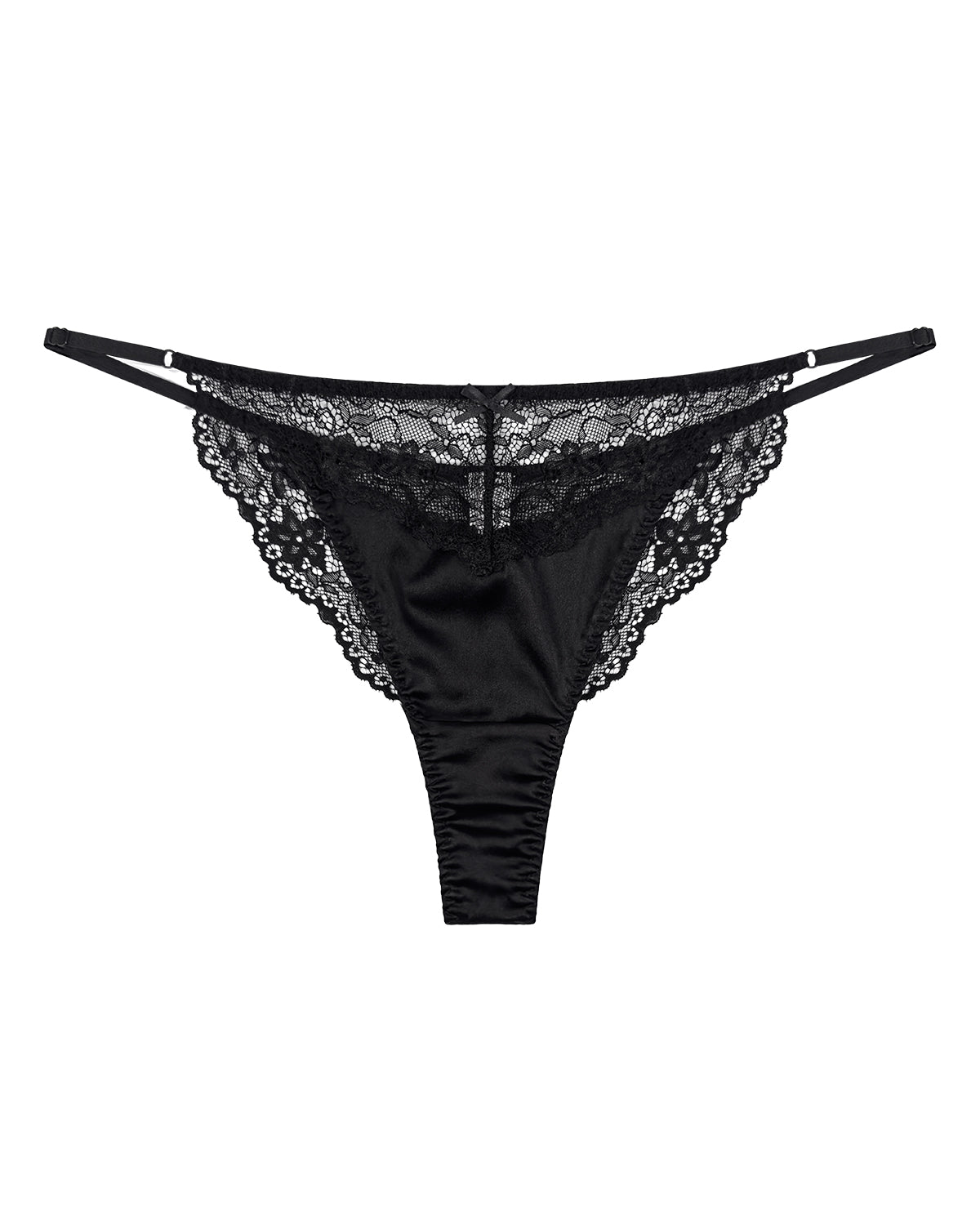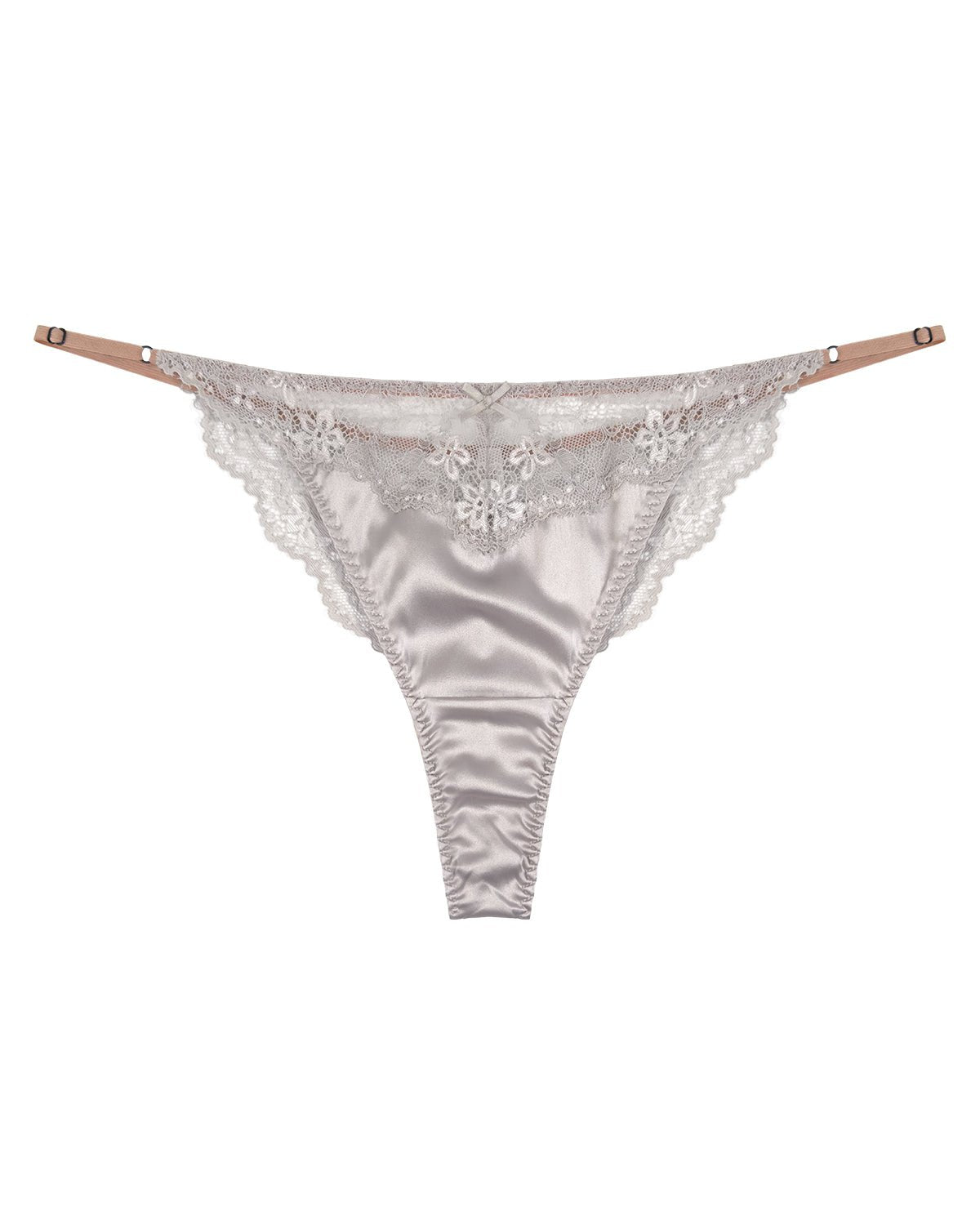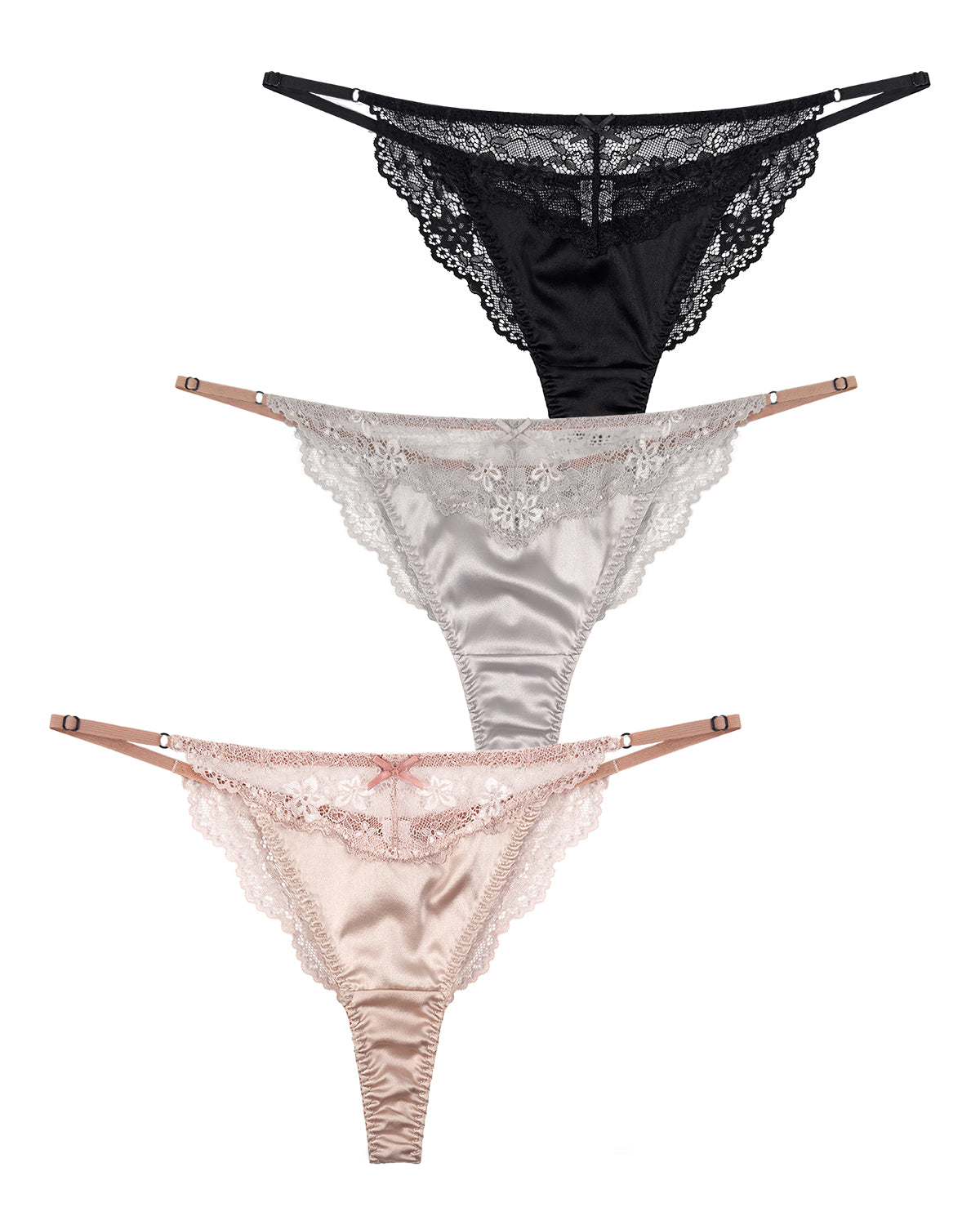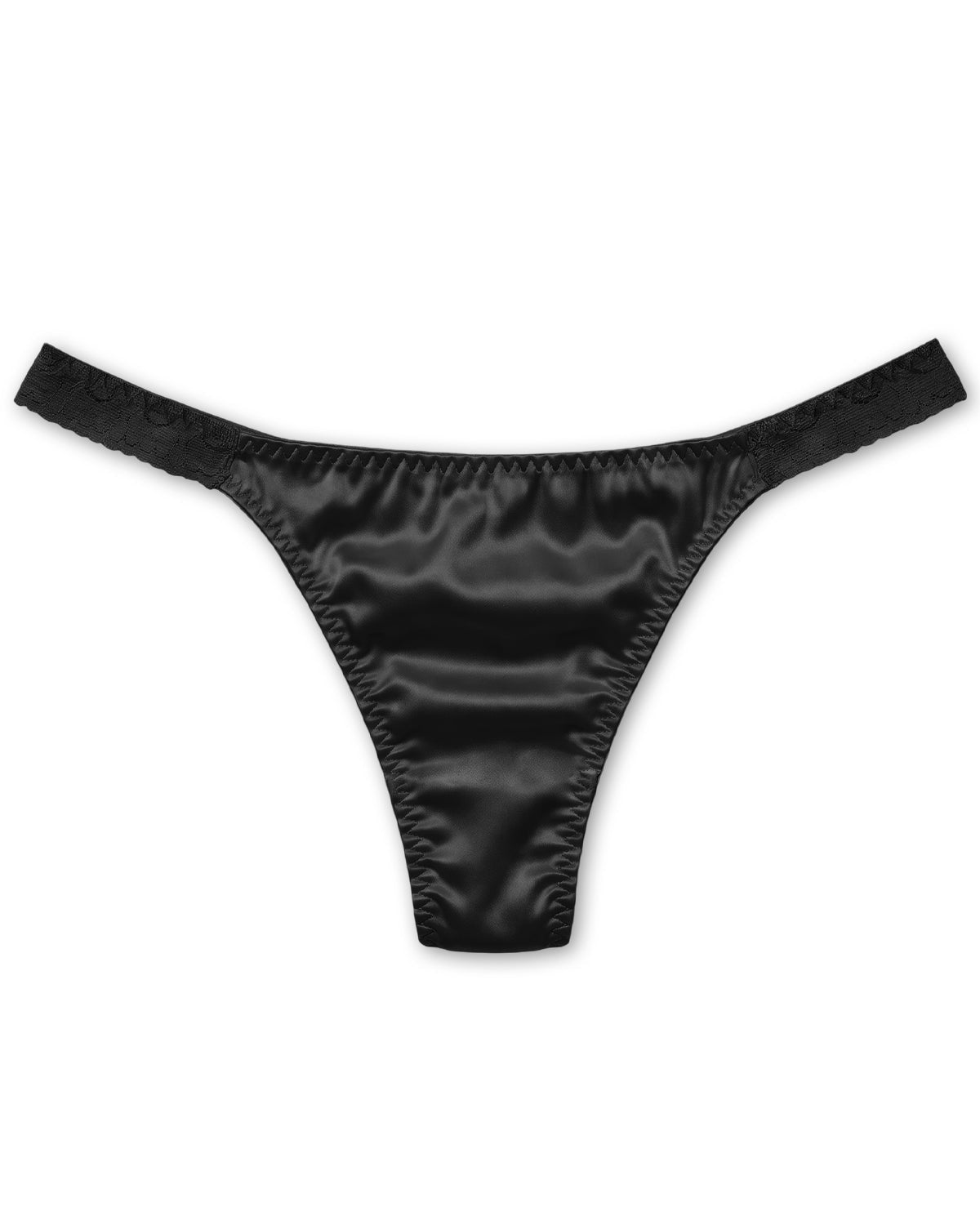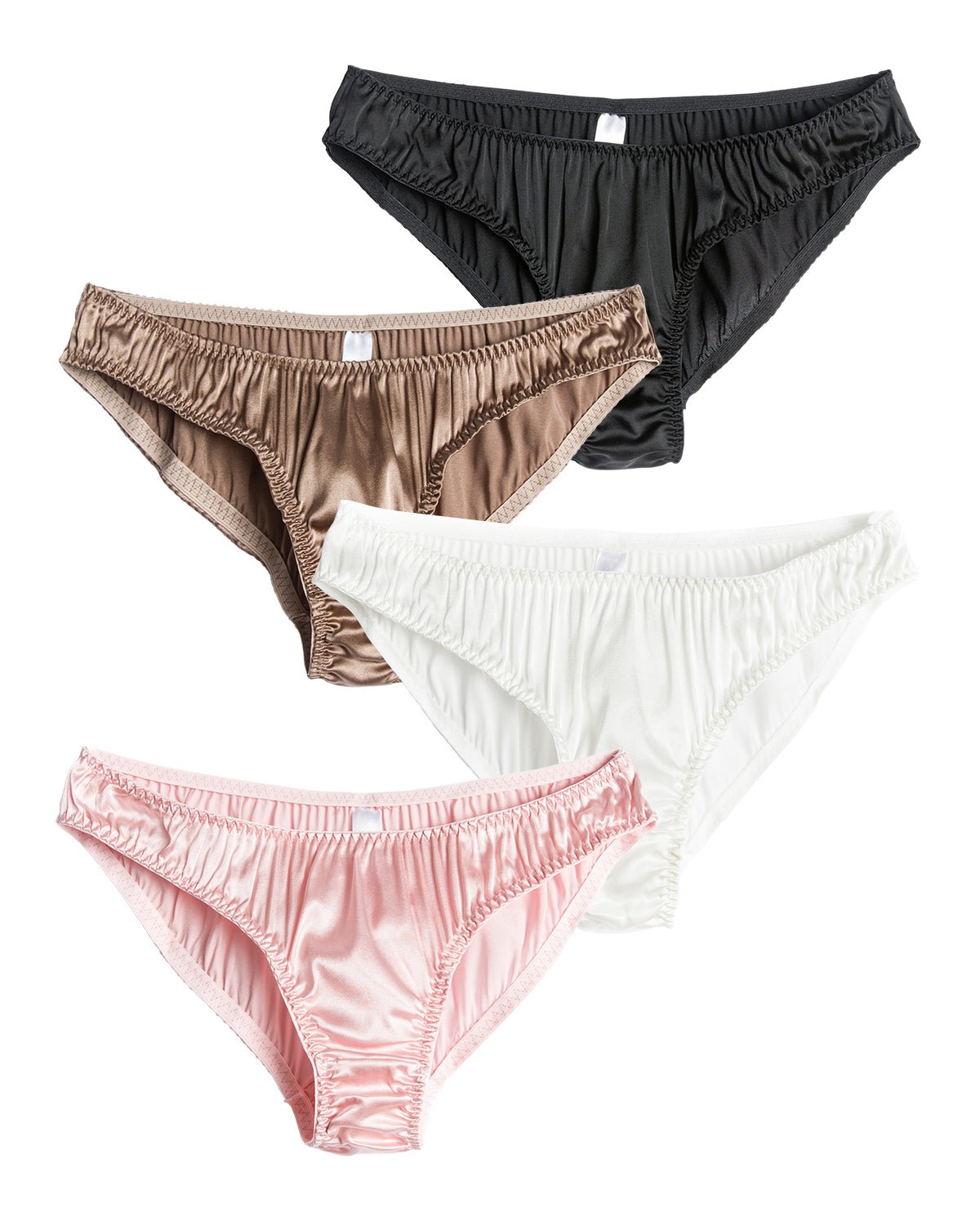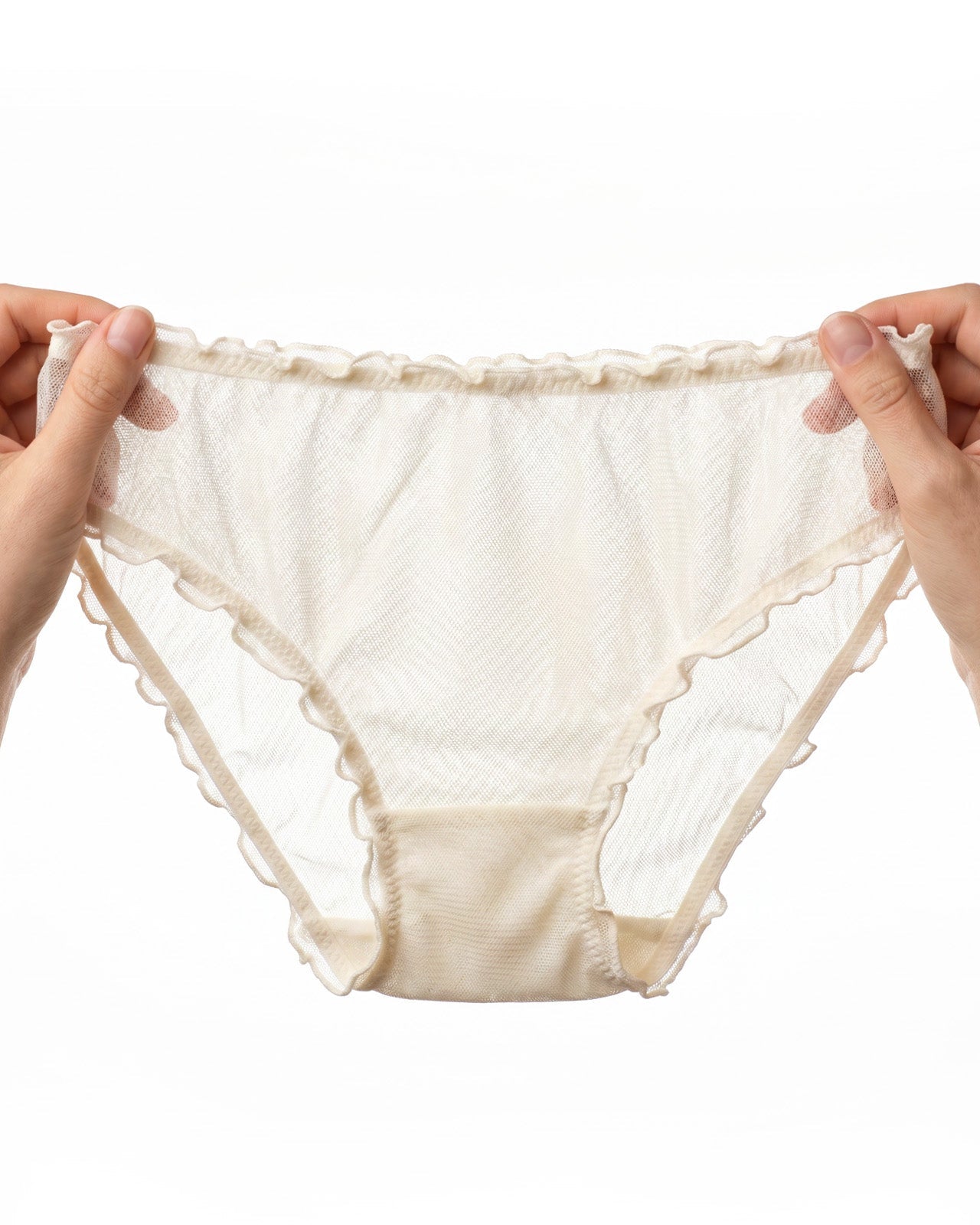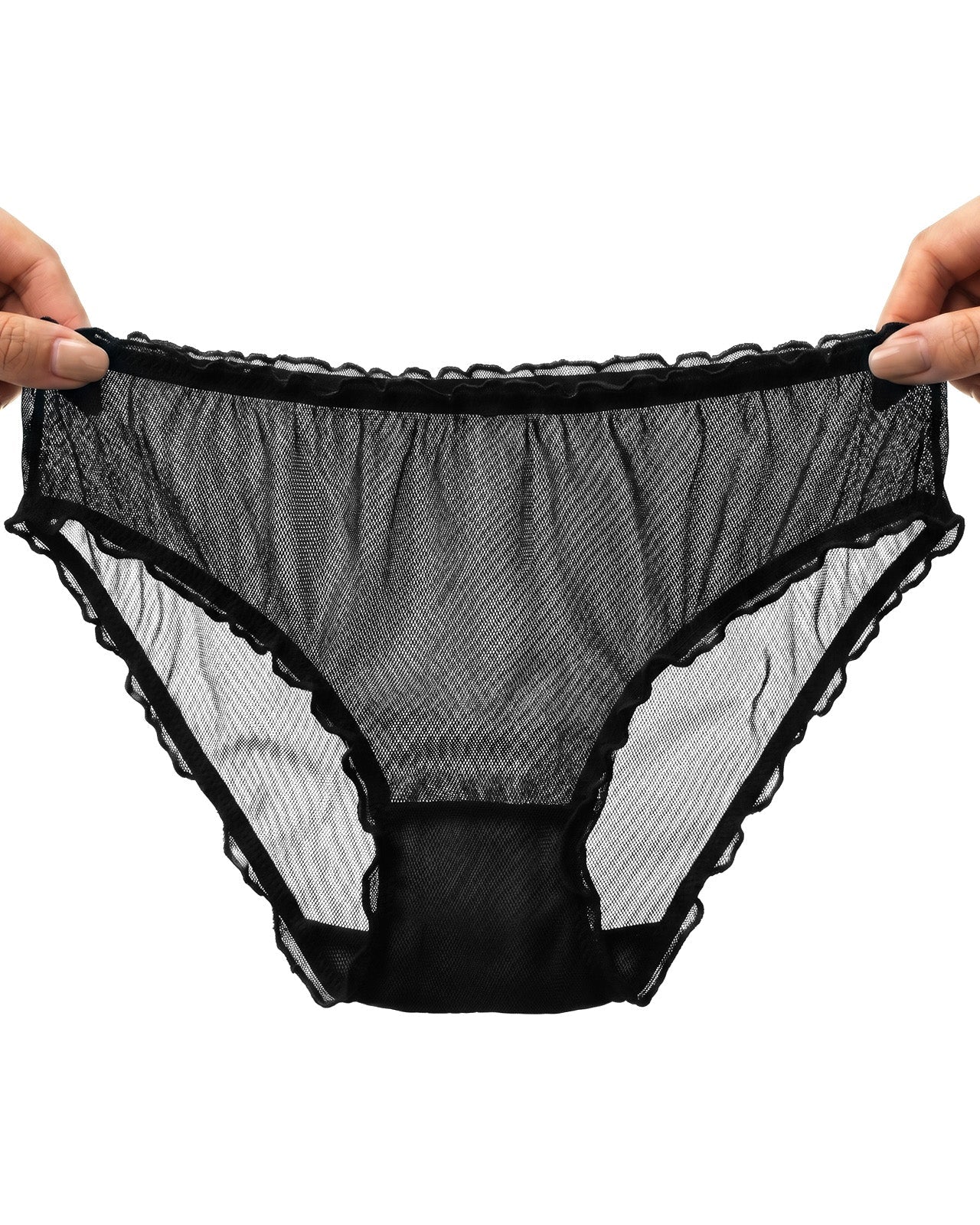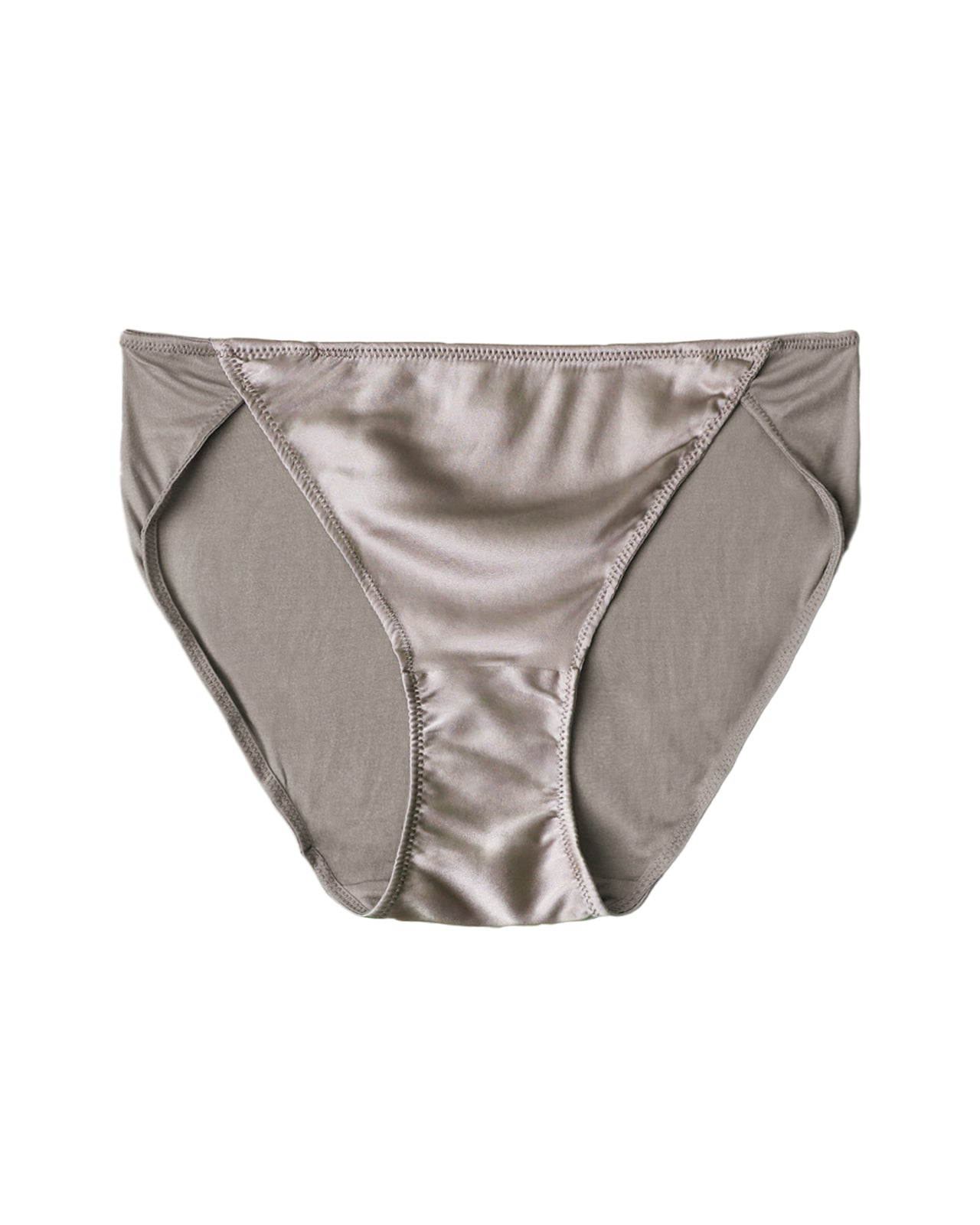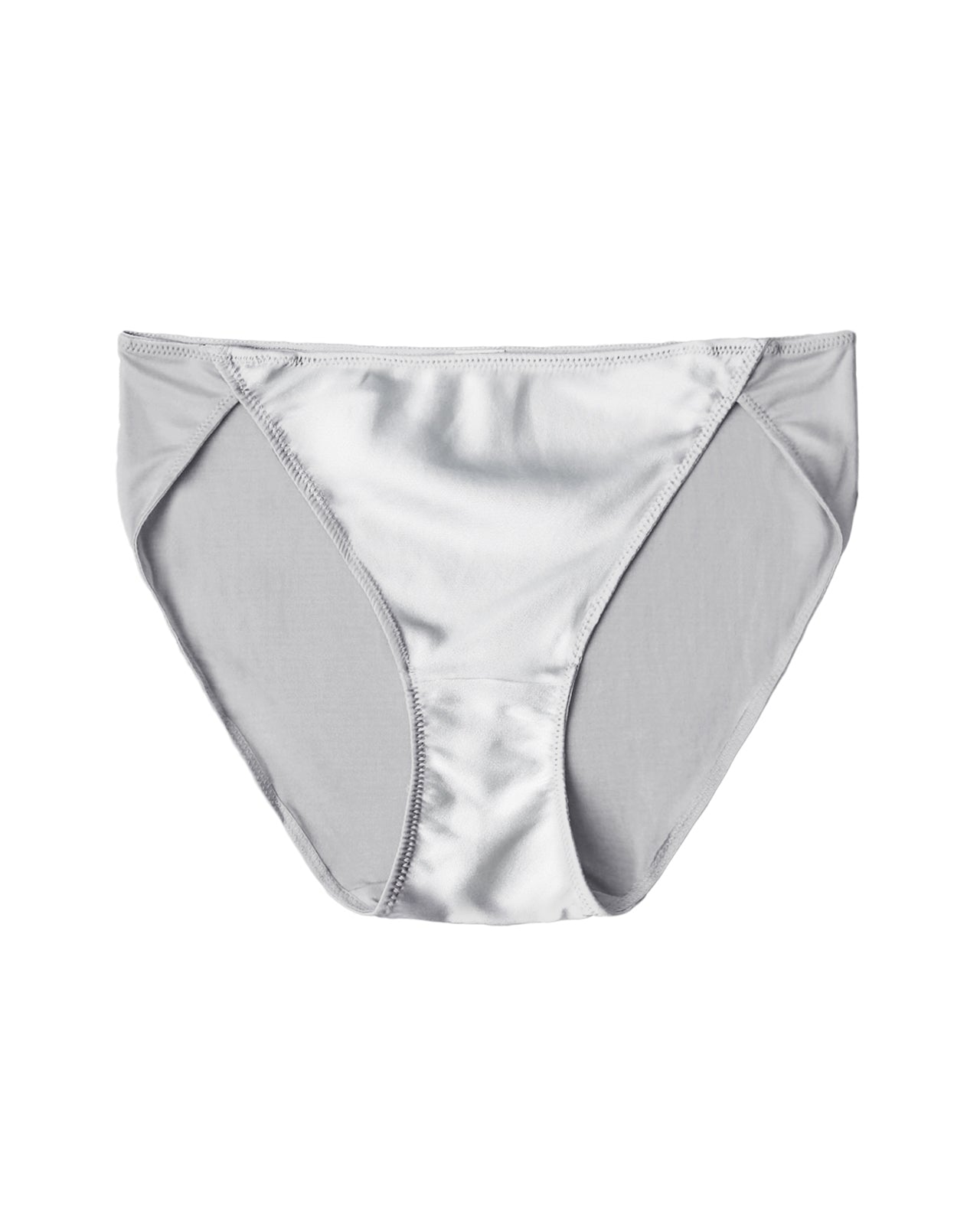
Yes. Silk underwear can develop small surface pills under some conditions. A few pills do not identify a single cause, and they do not tell you by themselves whether the fabric is genuine silk.
According to ASTM guidance on textile pilling evaluation, pilling behavior can be affected by fiber characteristics, yarn and fabric construction, finishing, care methods, and conditions of use. For underwear, relevant clues include where the pills appeared, what regularly contacted that area, how the garment was washed, and how the fabric was constructed.
What Is Pilling?
Pilling is the formation of small, raised fiber balls on a textile surface. ASTM evaluates pilling as a textile surface-performance characteristic and provides test methods for both woven and knitted fabrics.
It is different from a wrinkle, snag, pulled thread, or hole. When a surface change is difficult to identify from a description alone, a close-up photograph provides more information.
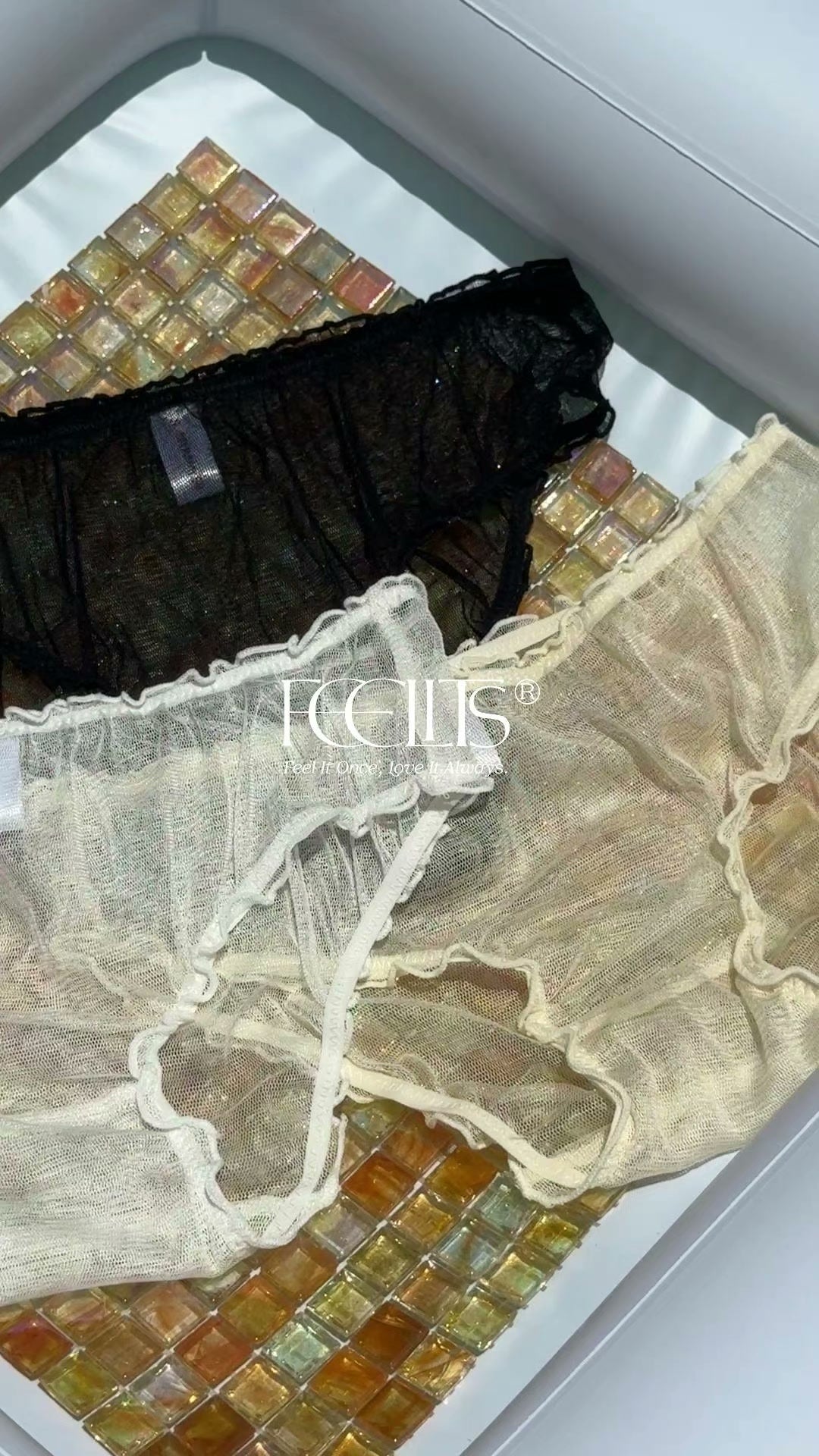
In one FEELITS customer-service case, small surface pills were visible across part of the back panel after approximately two months of reported use. The photograph below records the surface condition as reported.
What Can Contribute to Pilling on Silk Underwear?
Fiber characteristics, yarn and fabric construction, finishing, care methods, and use conditions can all affect pilling behavior.
Repeated Friction During Wear
Underwear sits beneath other clothing, so different parts of a garment may experience different amounts of rubbing during movement.
In the customer-service case shown above, the visible surface change was concentrated around the middle of the back panel, rather than appearing evenly across the garment. The location can be checked against areas that regularly rub against outer clothing or other fabric surfaces.
We do not have controlled wear data identifying a specific source of friction in this case.
Washing With Other Garments Adds More Surface Contact
Washing creates repeated contact between textile surfaces.
The current FEELITS silk care guide recommends washing silk with similarly delicate fabrics and keeping it away from towels, denim, exposed zippers, Velcro, and other rough materials. It also advises against rubbing, scrubbing, twisting, and wringing.
In the same customer-service case, the customer reported washing the garment together with other clothing. This observation does not establish mixed washing as the sole cause of the pilling, but it makes the wash history relevant when reviewing the surface change.
Separating silk from rougher garments reduces avoidable rubbing during washing.
Fabric Construction Is Another Variable
Silk underwear can be knitted, woven, or combine more than one construction within the same garment.
The garment documented in this case used woven silk at the front and knitted silk at the back. The reported surface pills appeared around the middle of the knitted back panel.
This is one customer-service case, not a controlled comparison. We do not have standardized FEELITS pilling tests showing that knitted silk pills more readily than woven silk.
For more detail on the construction difference, see how knitted and woven silk differ in Is Knitted Silk Real Silk? Knit vs. Woven Silk Explained.
Care History Matters, but There Is No “Number of Washes” Rule
Repeated washing and handling add mechanical contact over time, but there is no evidence here for a rule such as:
“Silk starts pilling after a certain number of washes.”
When reviewing a specific garment, check whether it has been scrubbed, twisted, washed with rough items, machine washed without protection, or repeatedly rubbed in the same area.
Does Pilling Mean the Silk Is Fake?
No. Pilling is not a fiber-identification test.
A “100% silk” statement refers to fiber content. Under U.S. textile labeling rules, fiber names and percentages describe the constituent fibers in a textile product. Pilling describes a condition that develops on the fabric surface.
A photograph showing pills cannot establish that a fabric is synthetic, blended, or mislabeled. It also cannot prove that the fabric is genuine silk.
If fiber identity needs to be verified, evidence designed for fiber identification is more appropriate than judging the material from surface appearance alone.
For reference, see the FTC Textile Products Identification Act guidance.
Does Pilling Automatically Mean Poor Quality?
Not automatically, but it should not be dismissed either.
A few localized pills after repeated wear are different from rapid, widespread surface deterioration. When customer service reviews a garment, the following details matter:
- how much pilling is present;
- where it appears;
- how long the garment has been used;
- how it has been washed and dried;
- whether the change is localized or widespread;
- whether snagging, broken yarns, holes, or other damage are also present.
Customer service can compare the photographs with the garment’s wash history, wear time, and the location of the affected area.
These details help distinguish what can be observed from what still needs investigation.
If an unusual surface change appears, clear photos showing the affected area and basic care history can help customer service review the situation more accurately.
How to Reduce Surface Friction When Washing Silk Underwear
To reduce avoidable friction during washing, focus on gentle handling and separation from rougher materials.
- Avoid rubbing, scrubbing, twisting, or wringing.
- Wash silk separately from towels, denim, exposed zippers, Velcro, and other rough items.
- If the care label permits machine washing, use a mesh laundry bag with cold water and a delicate cycle.
- Air dry rather than tumble drying.
These steps do not guarantee that pilling will never occur. Their purpose is to reduce avoidable mechanical contact during washing and drying.
For water temperature, detergent choice, hand washing, machine settings, and drying instructions, see the silk hand-washing and machine-washing guide.
Frequently Asked Questions
Can 100% silk pill?
Yes. A 100% silk fiber-content label does not guarantee that the finished fabric can never develop surface pills. Pilling behavior depends on fiber characteristics, fabric construction, care, friction, and conditions of use.
What causes silk underwear to pill?
Several factors can contribute, including fiber and fabric construction, repeated surface friction, finishing, washing conditions, and how the garment is used. One pilling case usually does not identify a single cause.
Does pilling mean silk is fake?
No. Pilling describes a textile surface condition. It is not a fiber-identification method, so pills alone cannot establish whether a fabric is or is not genuine silk.
Can washing silk with other clothes contribute to pilling?
It can increase opportunities for rubbing, particularly when silk is washed with towels, denim, rough fabrics, zippers, or Velcro. That does not mean mixed washing is the cause of every pilling case.
How can I reduce pilling on silk underwear?
Reduce unnecessary mechanical contact. Handle silk gently, avoid rubbing and wringing, keep it separate from rough garments during washing, and follow the care label for the specific product.