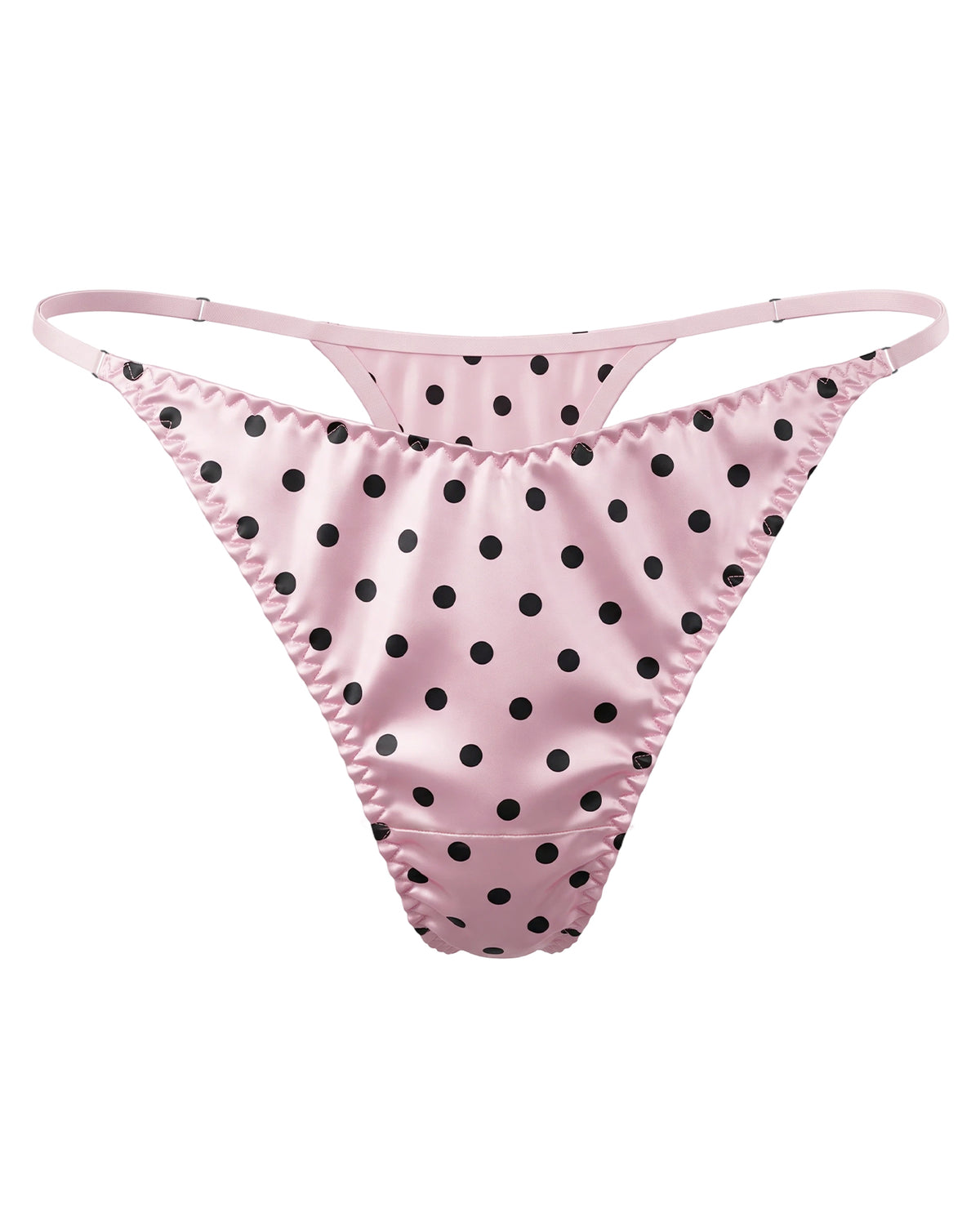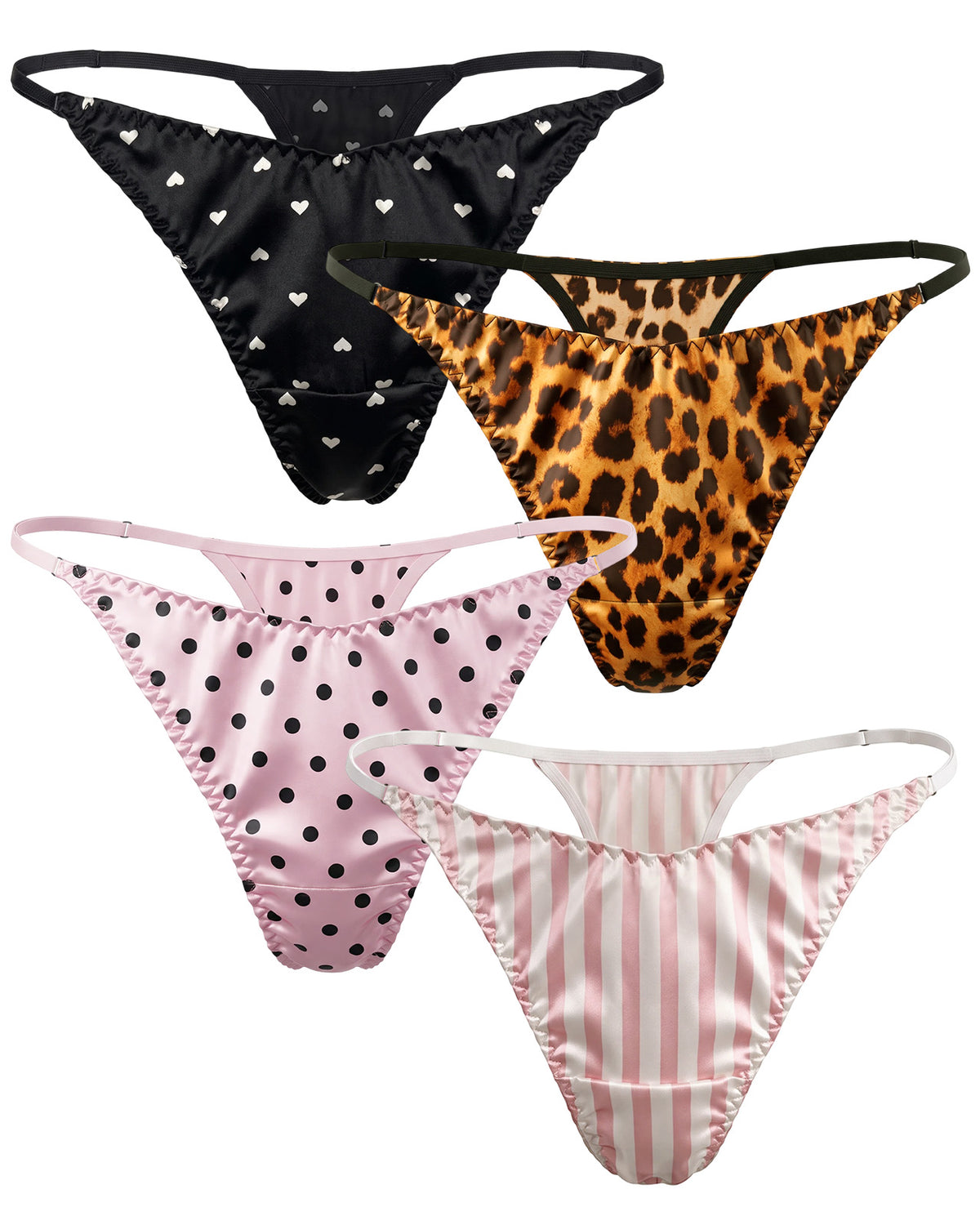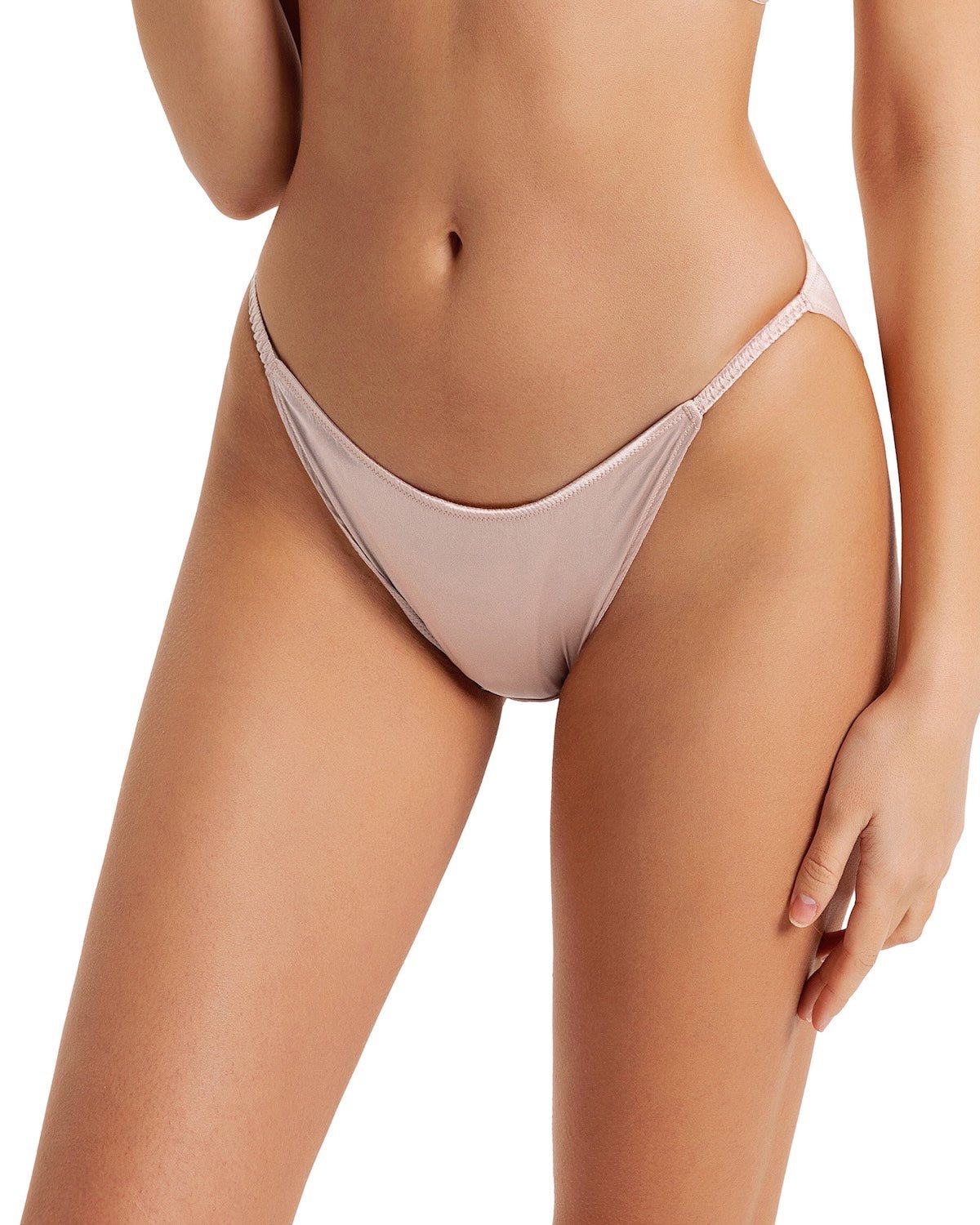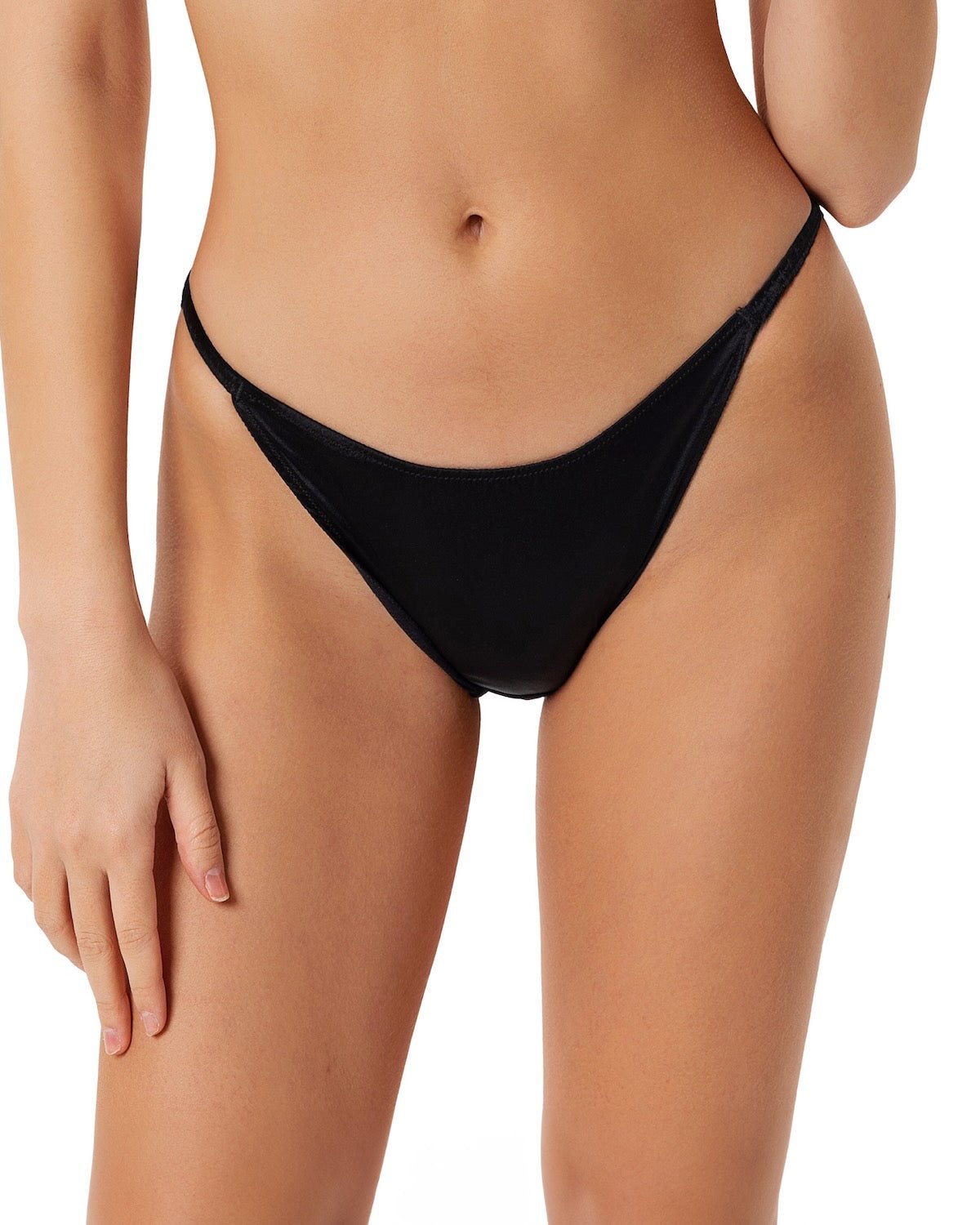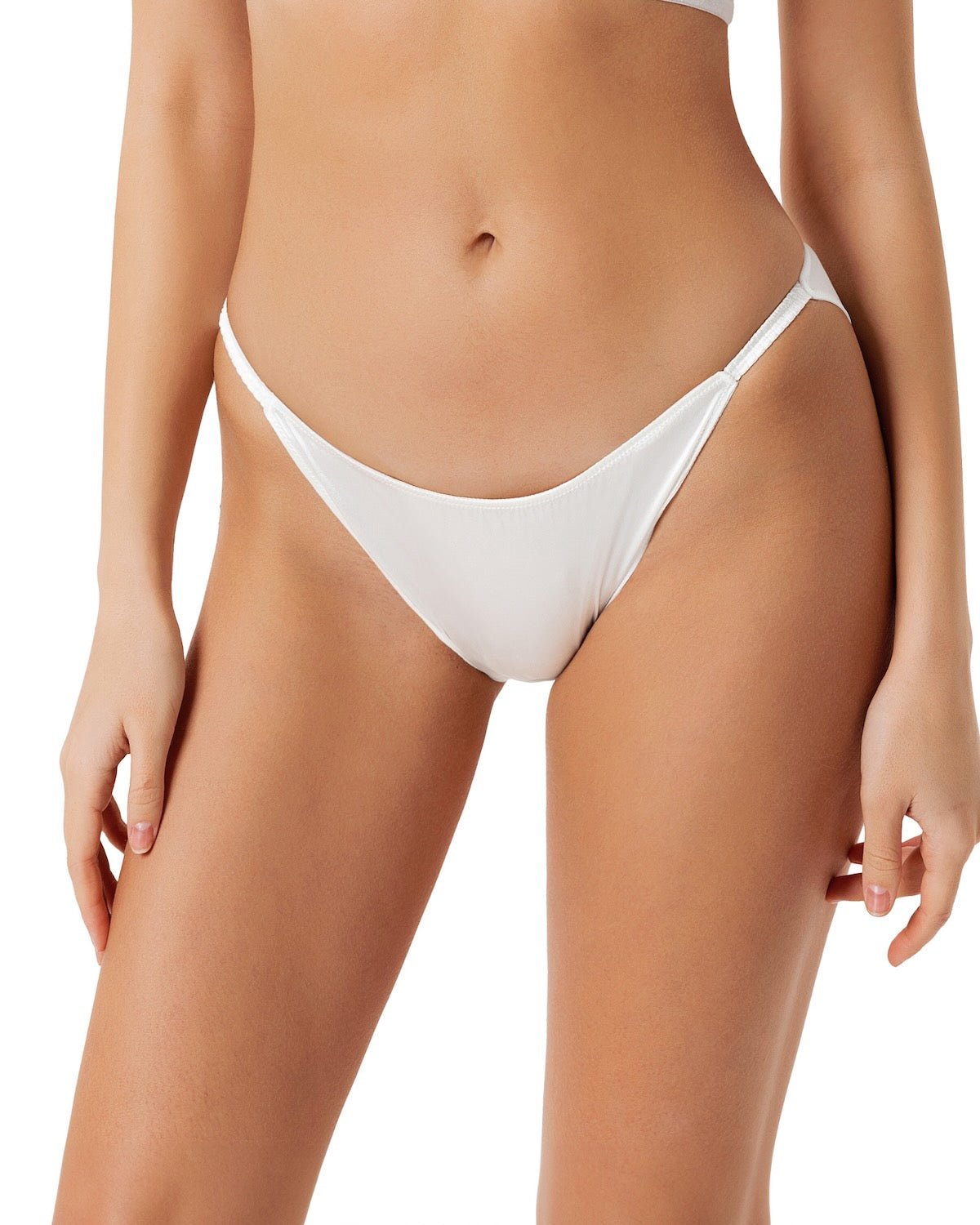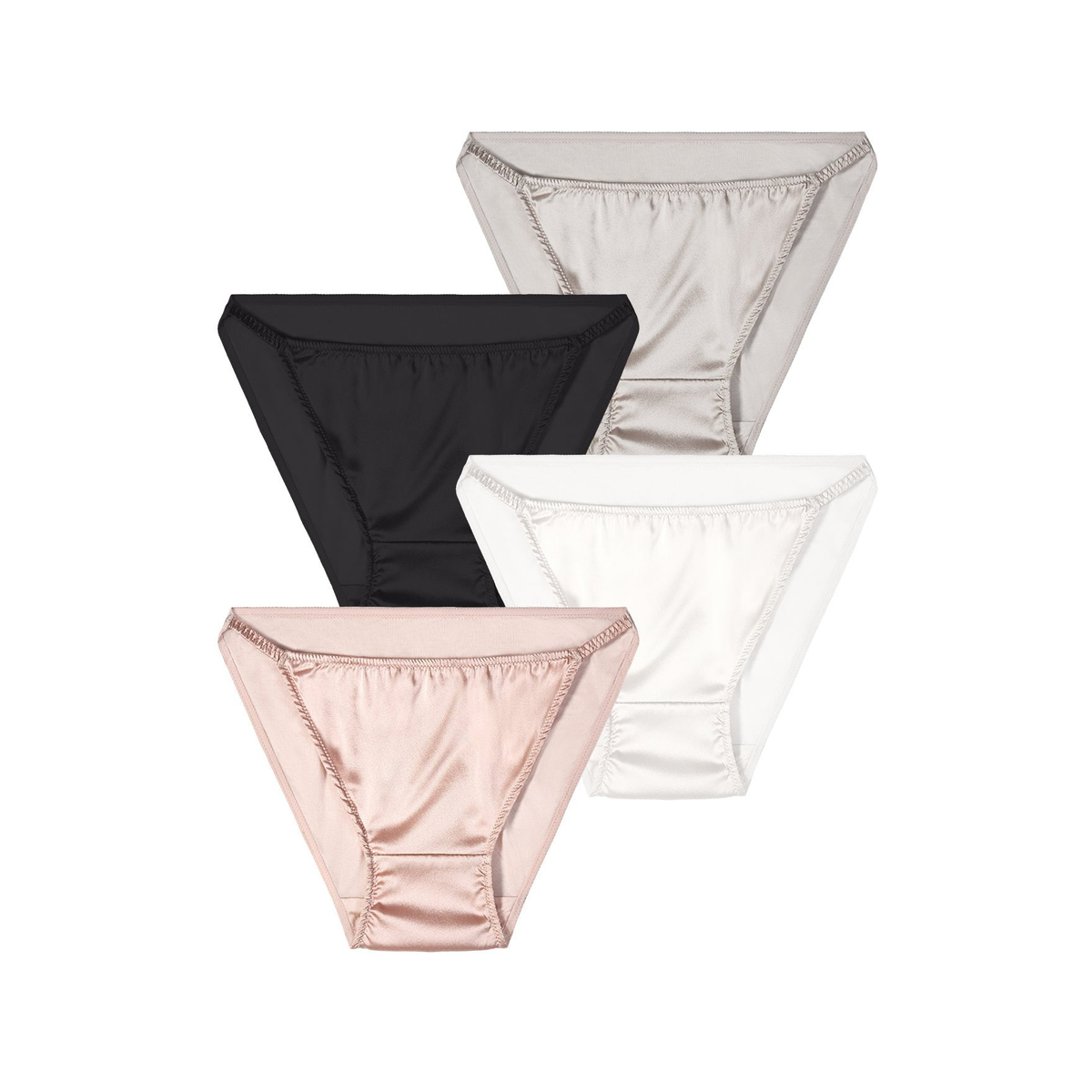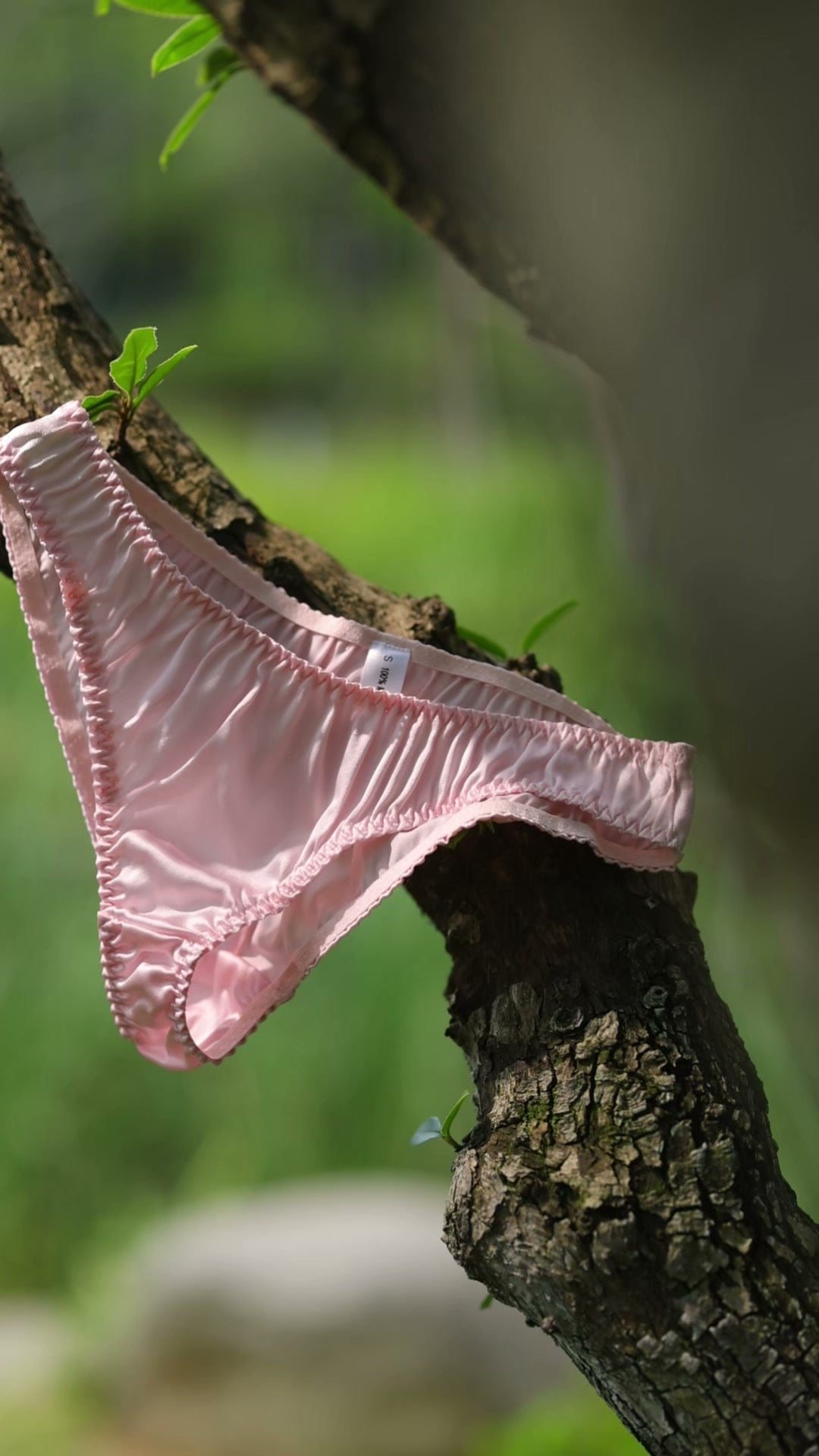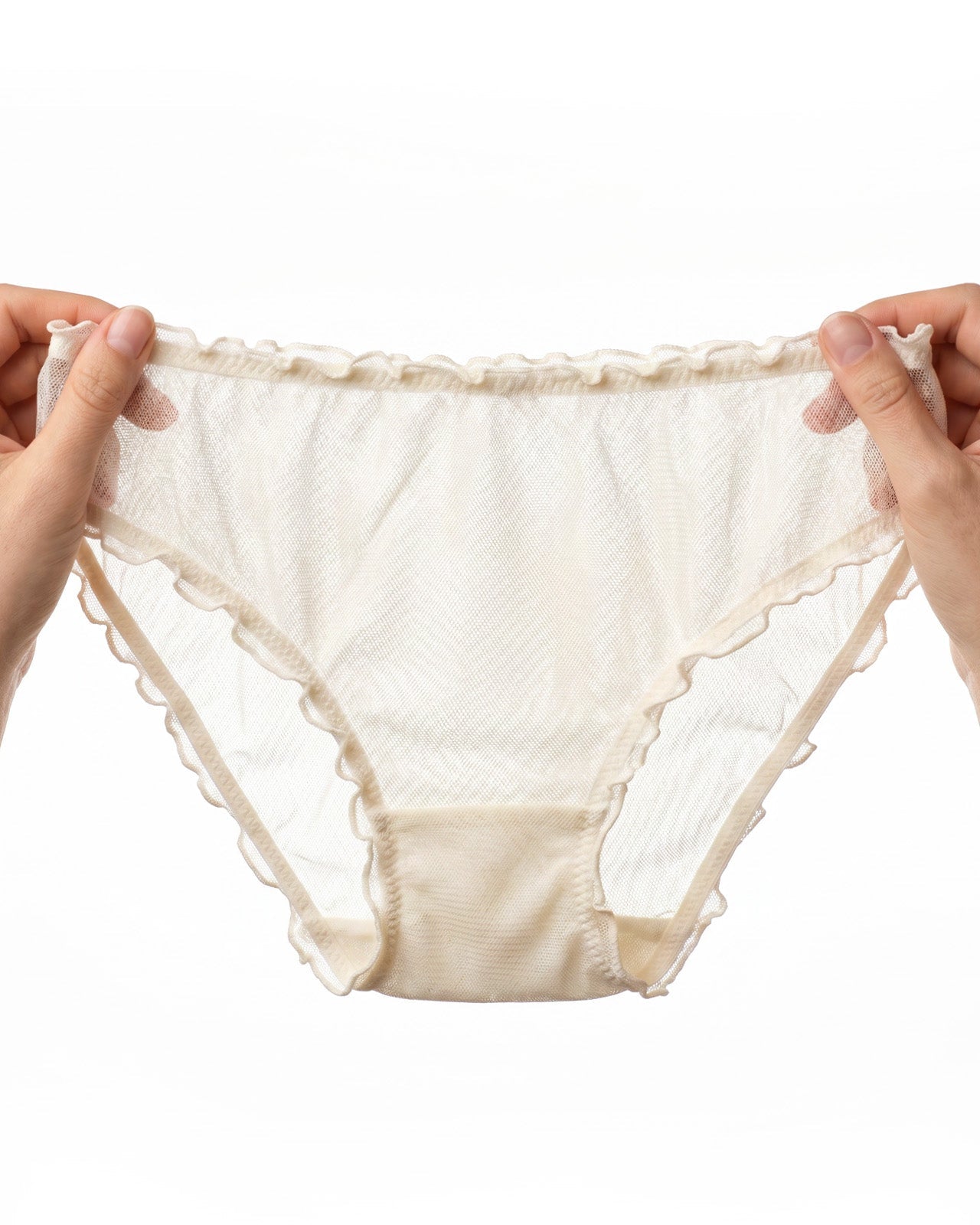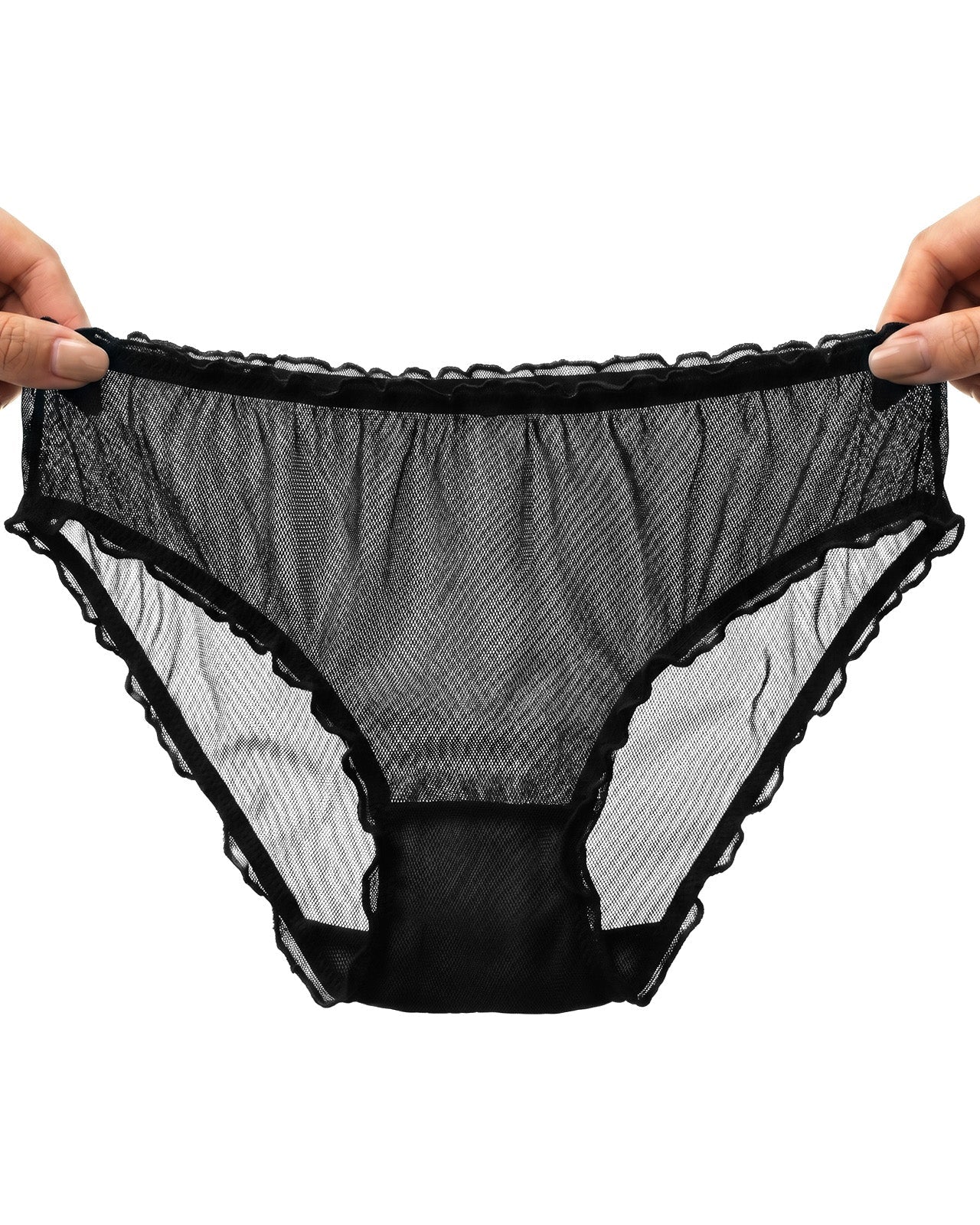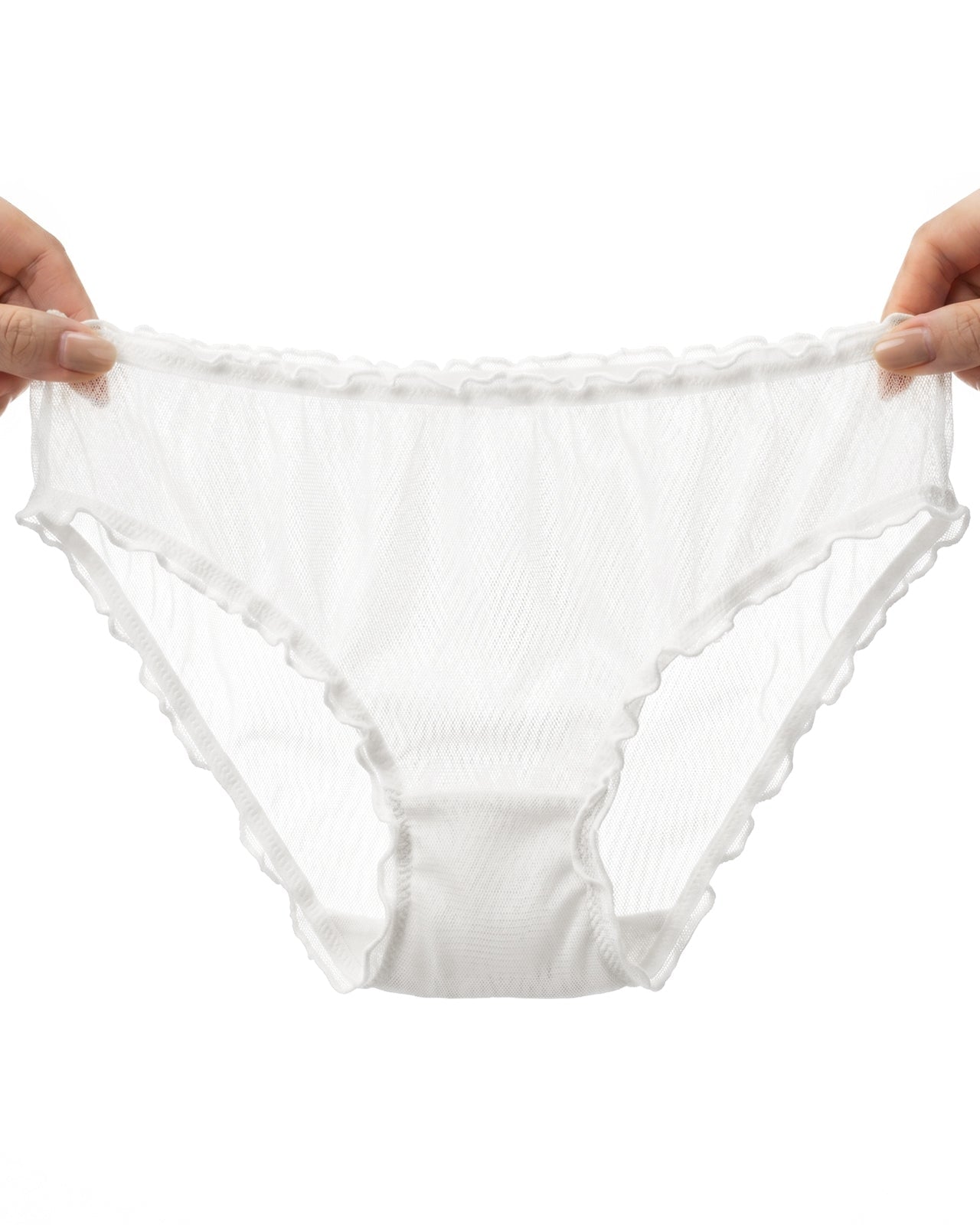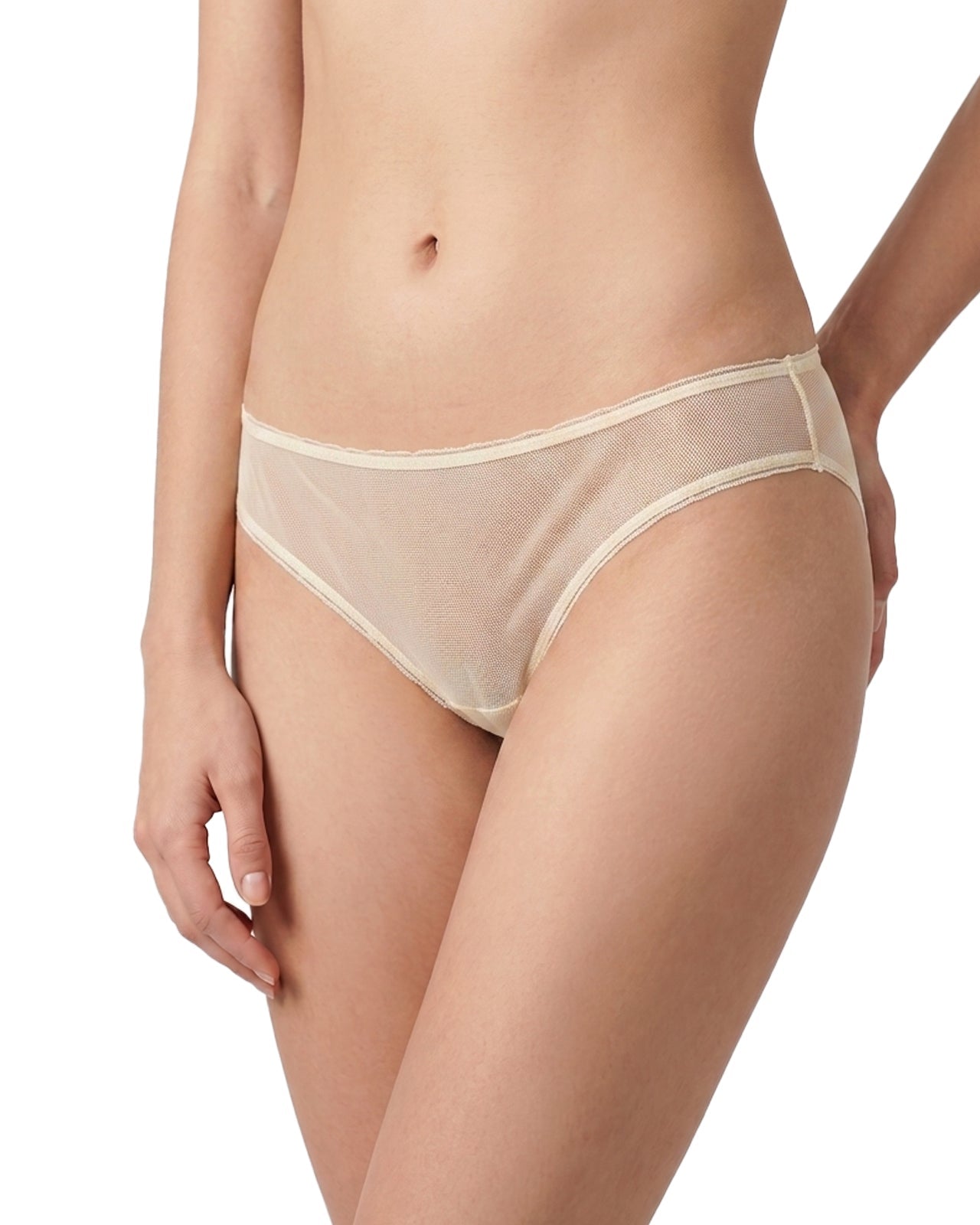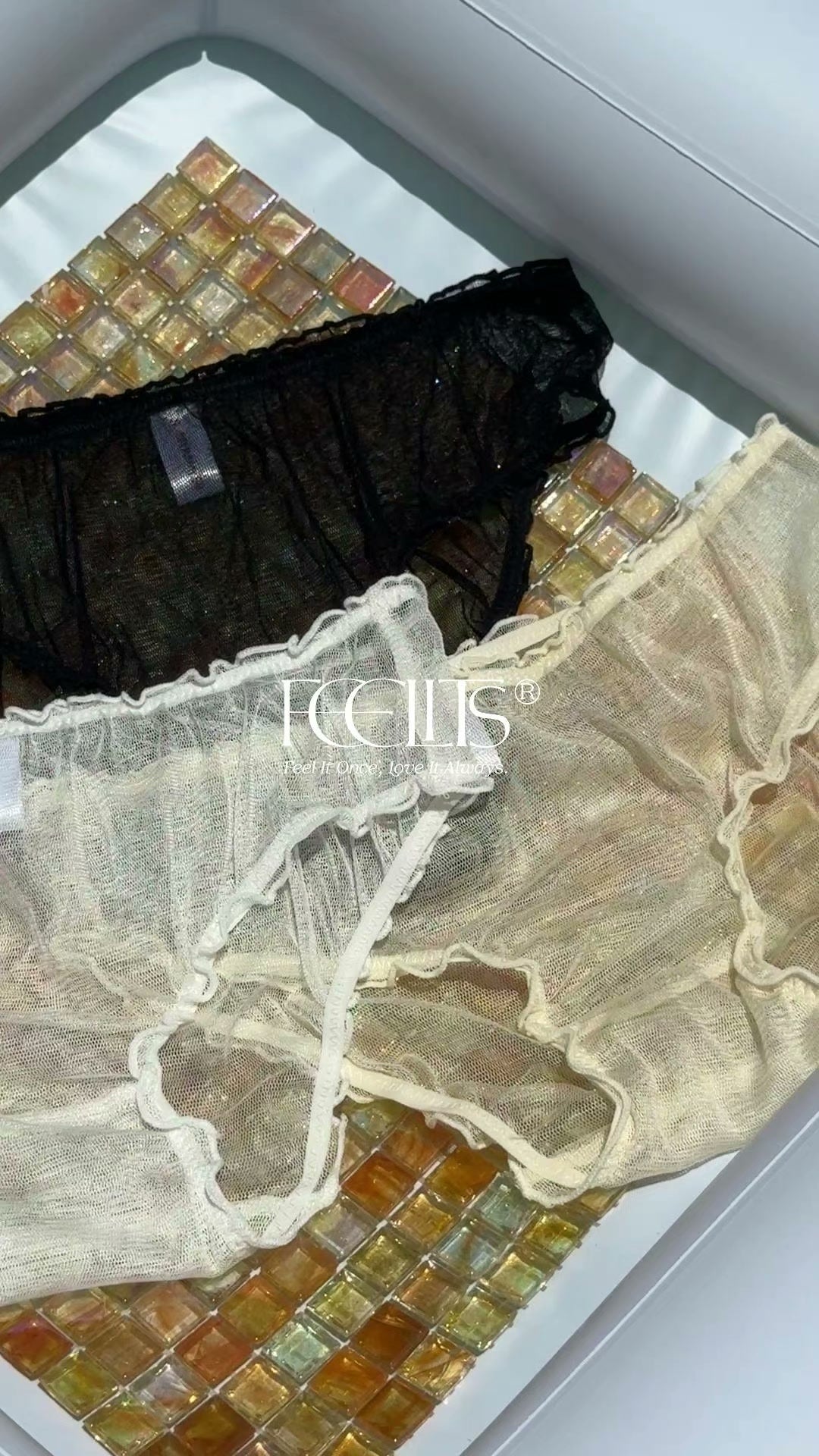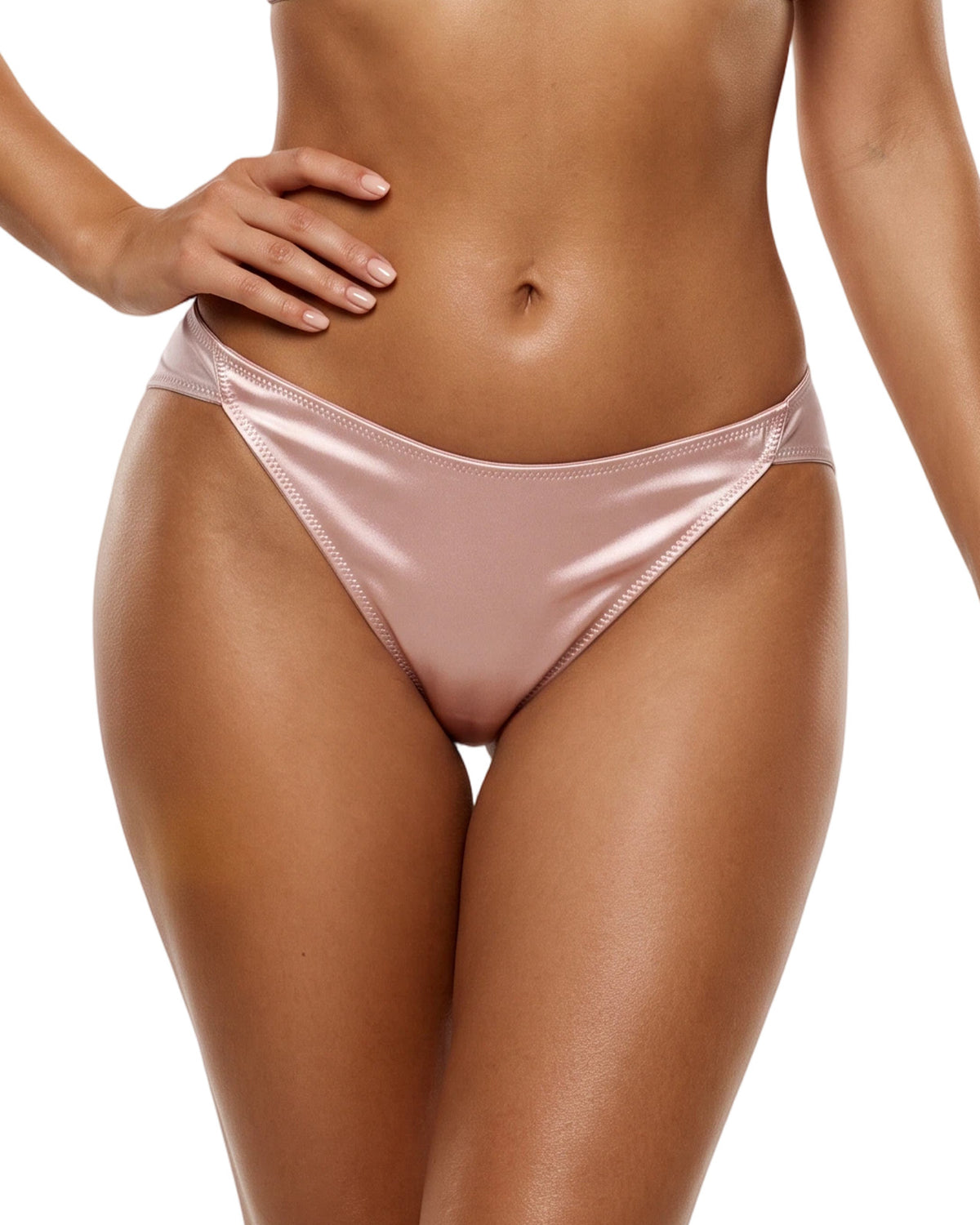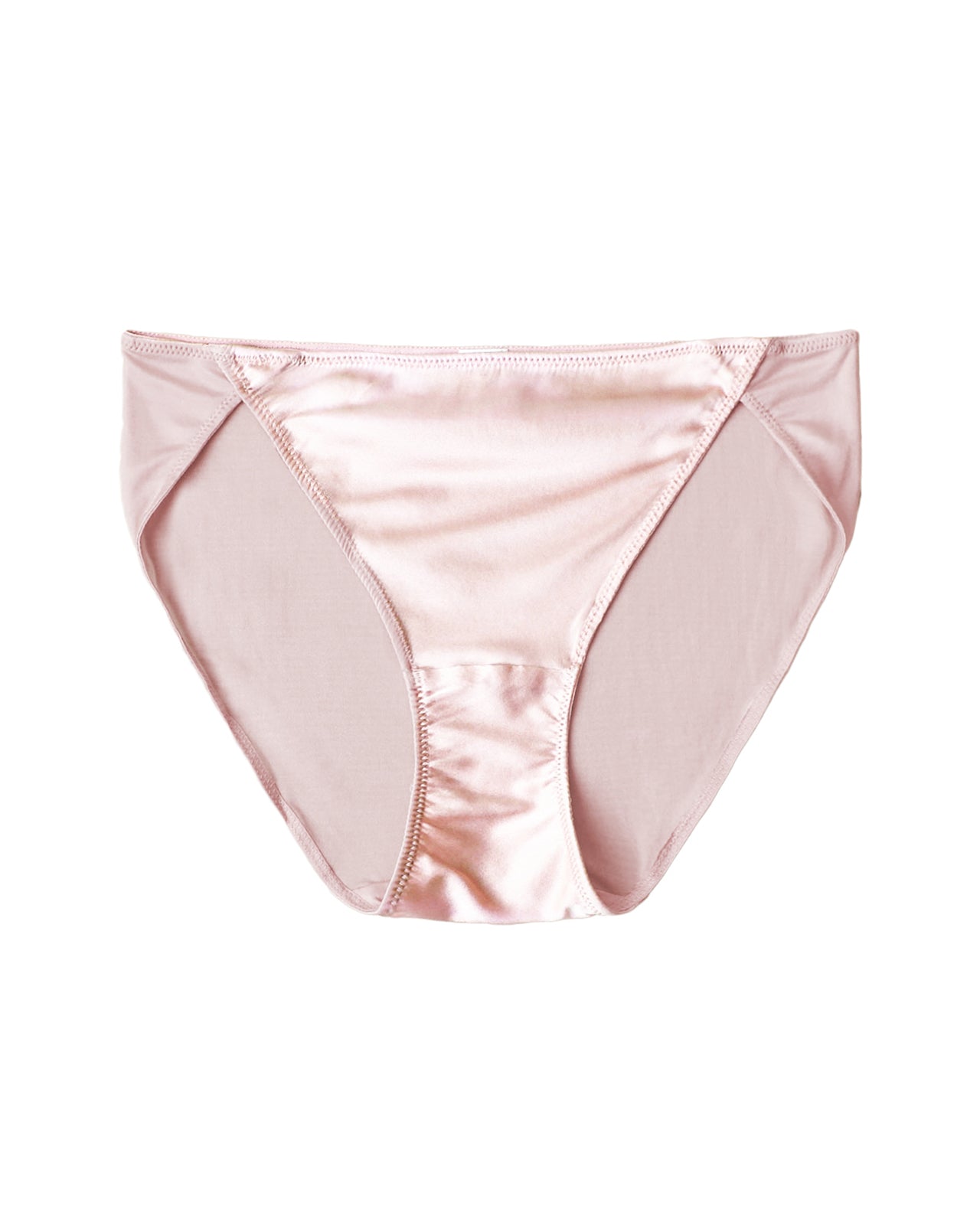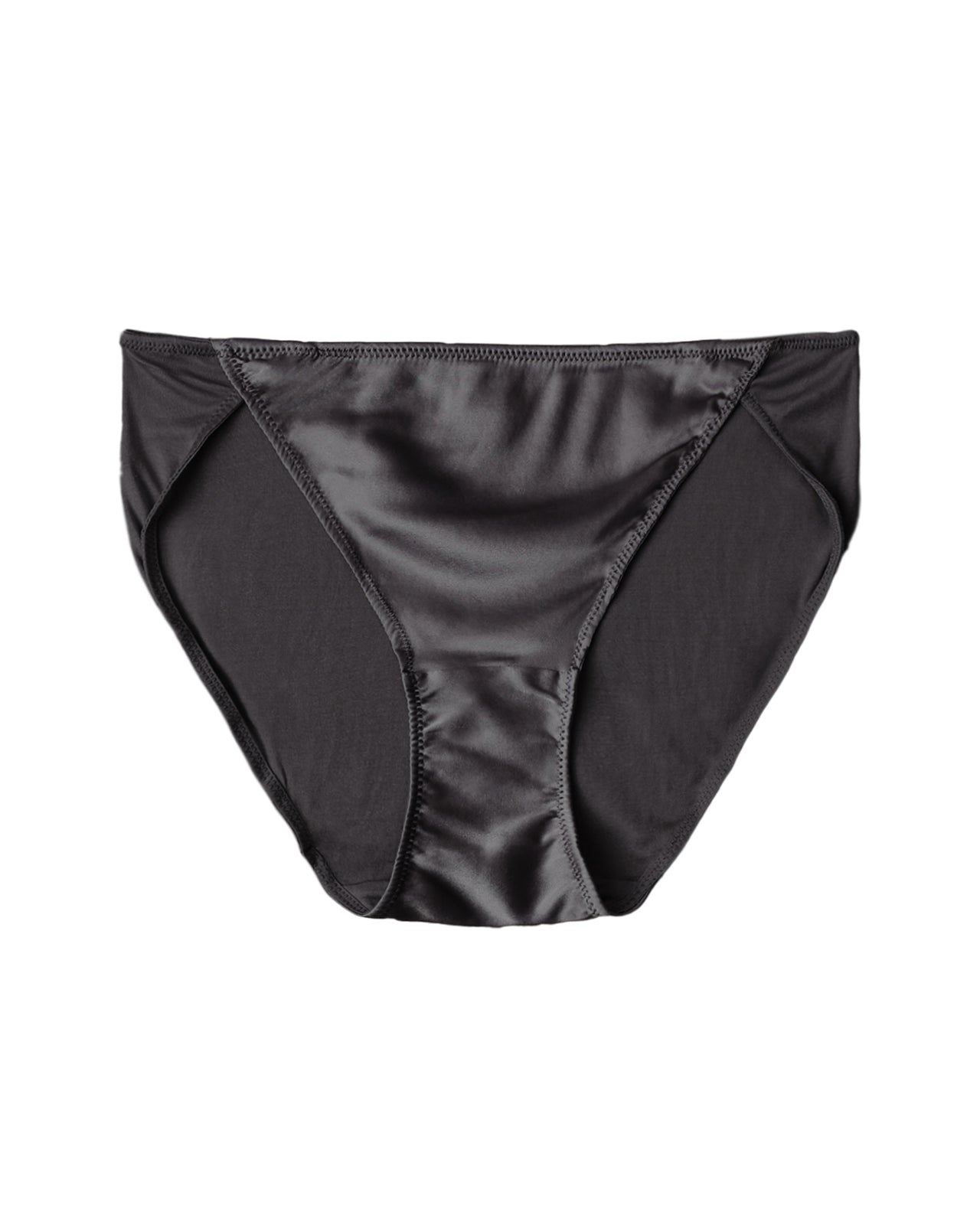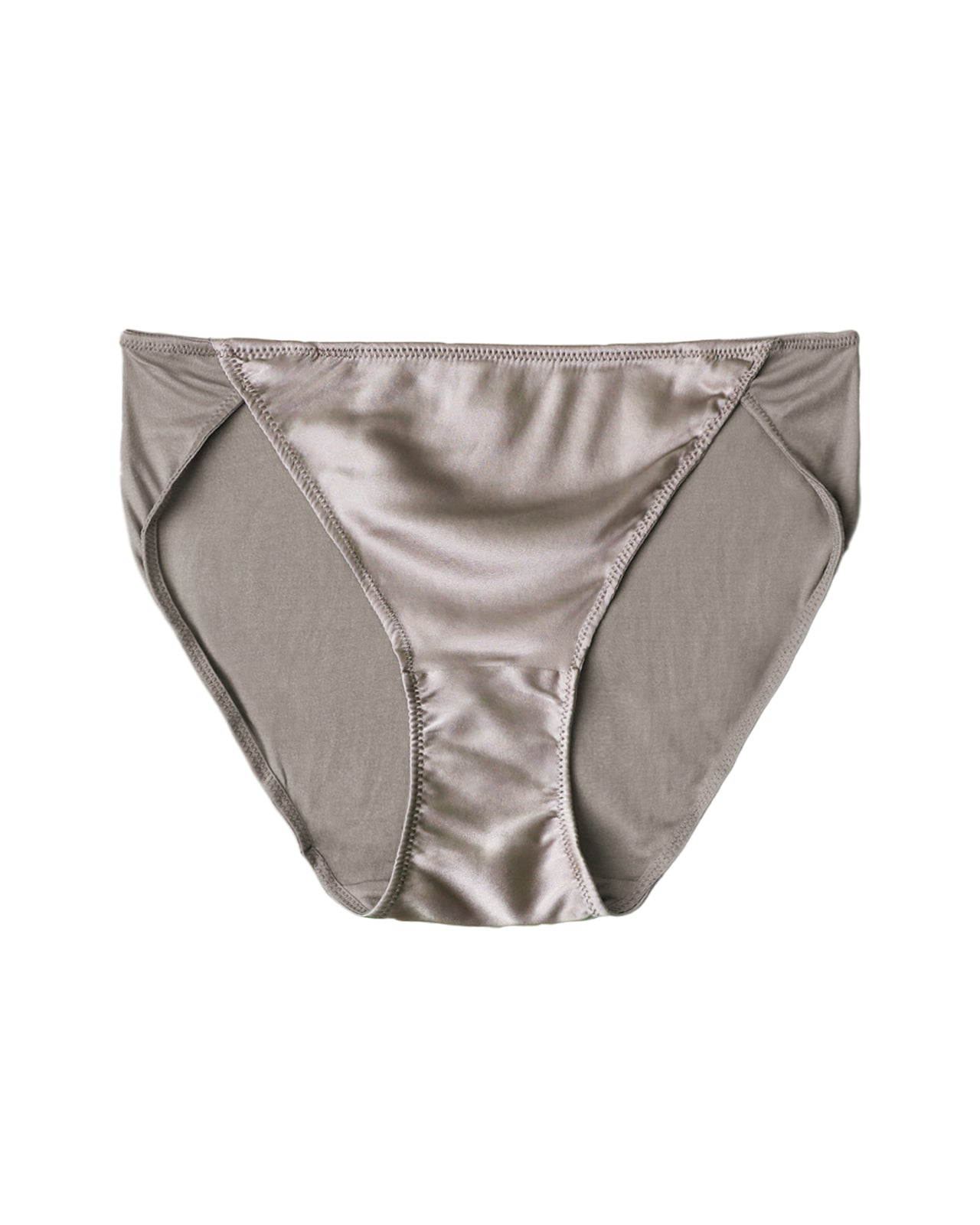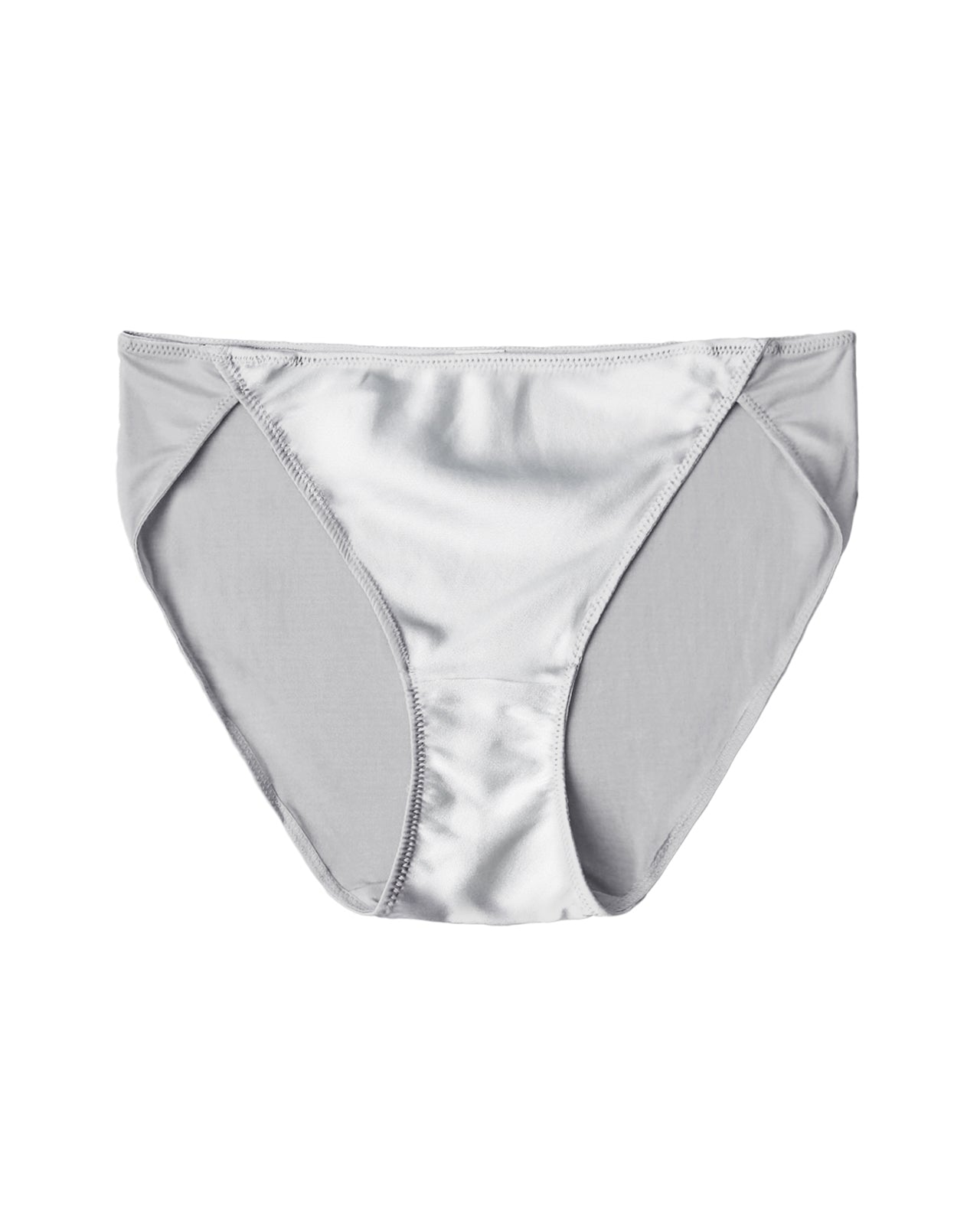

ابدأ بقراءة الملصق المخيط كما هو مكتوب: لاحظ أسماء الألياف ونسبها، وأي أجزاء من القطعة أو استثناءات يذكرها الملصق صراحةً.
راجعنا في هذا المقال الملصقات المخيطة لثلاثة موديلات من FEELITS:
- TH01 — 100% Mulberry Silk (حرير توت 100%)
- KN17 — 100% Mulberry Silk (حرير توت 100%)
- BRA17 — 95% Mulberry Silk / 5% Spandex (حرير توت 95% / إيلاستان 5%)
يحمل كل من TH01 وKN17 بيانًا يفيد بأن تركيب الألياف هو حرير توت 100%. أما BRA17 فيحمل بيانًا بنسبة 95% حرير توت و5% إيلاستان، وتظهر فيه أيضًا تفاصيل من الدانتيل وحمّالات مصنوعة كأجزاء منفصلة.
عند قراءة الملصق، اسأل:
ماذا يقول الملصق تحديدًا، وأي قماش أو جزء من القطعة يصفه هذا البيان؟
ابدأ بالصياغة الدقيقة على الملصق
ترد على الملصقات الثلاثة المصوّرة لهذا المقال البيانات التالية:
| المنتج | بيان الألياف على الملصق المخيط |
|---|---|
| TH01 | 100% Mulberry Silk (حرير توت 100%) |
| KN17 | 100% Mulberry Silk (حرير توت 100%) |
| BRA17 | 95% Mulberry Silk / 5% Spandex (حرير توت 95% / إيلاستان 5%) |
لا يستخدم أي من هذه الملصقات المصوّرة عبارات مثل:
- Main Fabric (القماش الرئيسي)
- Body (جسم القطعة)
- Shell (القماش الخارجي)
- Exclusive of Elastic (باستثناء الأجزاء المطاطية)
لأن هذه العبارات غير مطبوعة على الملصقات، فلا ينبغي أن نضيف من عندنا أسماء أجزاء أو استثناءات لم تُذكر.

ماذا تخبرك عبارة «100% Mulberry Silk»؟
يحمل كل من TH01 وKN17 ملصقًا مخيطًا يذكر:
100% Mulberry Silk (حرير توت 100%)
المعنى المباشر هو أن تركيب الألياف المعلن عنه يتكوّن من الحرير بنسبة 100%.
لا ينبغي تعميم هذا البيان تلقائيًا على كل شريط مطاطي أو مشبك أو خيط أو زينة أو جزء منفصل في القطعة النهائية.
يتيح لنا تصميم KN17 معلومات عن تركيب القطعة تتجاوز ما يذكره الملصق وحده.
يستخدم جسم القطعة الرئيسي قماشًا بحياكة مزدوجة من حرير التوت بنسبة 100%، مع أشرطة مطاطية منفصلة عند الخصر وفتحتي الساقين.
يمكننا تأكيد وجود هذه الأجزاء المطاطية، لكننا لا نملك بيانات موثّقة تفصّل نسب الألياف فيها.
بالنسبة إلى KN17، تدعم المعلومات المتاحة العبارة التالية:
يذكر الملصق المخيط 100% Mulberry Silk، وتحتوي القطعة النهائية أيضًا على أجزاء مطاطية منفصلة عند الخصر وفتحتي الساقين.
لا توضح صورة الملصق التركيب الدقيق لألياف تلك الأجزاء المطاطية.
ينبغي قراءة ملصق TH01 بالحذر نفسه. فهو يذكر 100% Mulberry Silk، لكننا لا نملك بيانات تركيب موثّقة لكل عنصر ظاهر عند حواف القطعة.
كيف تقرأ «95% Mulberry Silk / 5% Spandex»؟
يذكر الملصق المخيط لموديل BRA17:
95% Mulberry Silk (حرير توت 95%)
5% Spandex (إيلاستان 5%)
تعبّر هذه الأرقام عن نسب الألياف بالوزن في المادة النسيجية المعلن عن تركيبها.
يشكّل الإيلاستان 5% من محتوى الألياف الموضّح على الملصق. ولا يعني ذلك وجود جزء منفصل يشكّل خمسة في المئة من حمالة البراليت النهائية.
تتضمن القطعة أيضًا دانتيلًا ظاهرًا في الأمام وحمّالات قابلة للتعديل مصنوعة كأجزاء منفصلة.
لا يقدّم الملصق المصوّر نسب ألياف منفصلة لأجزاء الدانتيل أو الحمّالات.

ما الذي يخبرنا به الملصق؟
- يشكّل حرير التوت 95% من محتوى الألياف المعلن عنه.
- ويشكّل الإيلاستان 5%.
ما الذي لا يخبرنا به الملصق؟
- التركيب الدقيق لألياف الدانتيل؛
- التركيب الدقيق لألياف الحمّالات؛
- مقدار قابلية التمدد الذي تمنحه نسبة الإيلاستان البالغة 5%؛
- نسبة الحرير من المساحة الظاهرة للقطعة؛
- ما إذا كان كل جزء منفصل مشمولًا ببيان التركيب نفسه 95/5.
تصف نسبة الألياف التركيب، لكنها لا تقيس الأداء ولا تبيّن المساحة التي تشغلها كل مادة.
نسب الألياف ليست نسبًا من مساحة القطعة
تصف عبارة حرير 95% / إيلاستان 5% محتوى الألياف بالوزن.
ولا تعني أن:
95% من المساحة الظاهرة للقطعة حرير و5% منها إيلاستان.
الأدق أن نقرأها على النحو التالي:
تركيب ألياف واحد مُعلن عنه
→ حرير توت 95%
→ إيلاستان 5%
هذا التمييز مهم عندما تتضمن القطعة النهائية أيضًا دانتيلًا أو حمّالات أو زينة أو أجزاء مطاطية ظاهرة.
وماذا عن الدانتيل والحمّالات وأحزمة الخصر والأشرطة المطاطية؟
يذكر ملصق BRA17 المصوّر بيان تركيب واحدًا هو 95% Mulberry Silk / 5% Spandex، في حين تظهر في حمالة البراليت النهائية أجزاء من الدانتيل وحمّالات منفصلة.
لا يذكر الملصق المصوّر نسب الألياف الخاصة بهذه الأجزاء الظاهرة من الدانتيل والحمّالات.
يقدّم KN17 مثالًا آخر على تفاصيل تصنيع القطعة. يذكر ملصقه المخيط 100% Mulberry Silk، بينما تُستخدم أشرطة مطاطية منفصلة حول الخصر وفتحتي الساقين. ولم يتم التحقق من نسب الألياف الدقيقة في هذه الأشرطة.
عندما لا تتوفر بيانات دقيقة عن التركيب، ينبغي تركه غير محدد بدلًا من استنتاجه من المظهر.
يمكن لصور المنتج أن تُظهر وجود جزء من الدانتيل أو حمّالة أو حزام خصر أو حافة مطاطية. لكنها لا تكشف وحدها نسب الألياف في تلك الأجزاء.
للتعرّف أكثر على الفرق بين مزيج الألياف والجزء المنفصل من القطعة، اقرأ عن أسباب استخدام الدانتيل والأشرطة المطاطية في الملابس الداخلية الحريرية.
ملاحظة موجزة حول قواعد وضع الملصقات
قد تتعامل قواعد المنسوجات في الولايات المتحدة بشكل مختلف مع الأجزاء النسيجية المنفصلة وبعض الحواف والزخارف والأجزاء المطاطية، بحسب طريقة استخدامها.
يساعد ذلك على فهم سبب عدم جواز تطبيق بيان واحد لتركيب الألياف تلقائيًا على كل جزء ظاهر من القطعة النهائية.
لكن هذا لا يثبت أن ملصقًا محددًا من FEELITS يستوفي شروط أي استثناء بعينه دون مراجعة كاملة للقطعة وملصقاتها.

ما الذي لا يمكن لملصق تركيب الألياف أن يخبرك به؟
لا تقيس نسبة الألياف:
- قابلية التمدد الدقيقة أو القدرة على استعادة الشكل؛
- مدى ملاءمة القصّة للجسم؛
- المتانة؛
- النعومة؛
- التهوية؛
- تركيب ألياف جزء منفصل غير موضّح على الملصق؛
- ما إذا كان قماشان لهما نسب الألياف نفسها سيُظهران الخصائص نفسها.
يوضّح KN17 النقطة الأخيرة.
يذكر بيان الألياف الخاص به 100% Mulberry Silk، بينما يعتمد قماشه الرئيسي على الحياكة المزدوجة. وقد تستخدم قطعة من الحرير المنسوج ألياف الحرير نفسها، لكن بطريقة مختلفة لبناء القماش.
قد تكون الألياف متطابقة، لكن بنية القماش مختلفة.
للمزيد، تعرّف على الفرق بين الحرير المحبوك والحرير المنسوج في مقال «هل الحرير المحبوك حرير حقيقي؟ شرح الفرق بين الحياكة والنسيج».
اقرأ الملصق وفقًا لما يذكره فعلًا: أسماء الألياف ونسبها، وأي أجزاء أو استثناءات منصوص عليها.

الأسئلة الشائعة
ماذا تعني عبارة «100% Mulberry Silk» على ملصق الملابس الداخلية؟
تعني أن تركيب الألياف المعلن عنه هو حرير بنسبة 100%.
لا ينبغي تعميمها تلقائيًا على كل شريط مطاطي أو زينة أو مشبك أو جزء منفصل، إلا إذا نصّ الملصق أو معلومات المنتج الموثّقة على ذلك.
ماذا تعني عبارة «95% Mulberry Silk / 5% Spandex»؟
تعني أن المادة النسيجية المعلن عنها تحتوي، بالوزن، على 95% حرير توت و5% إيلاستان.
ولا تعني أن 95% من المساحة الظاهرة للقطعة حرير و5% منها إيلاستان.
هل تعني عبارة «حرير 100%» أن حزام الخصر أو الشريط المطاطي مصنوع من الحرير أيضًا؟
ليس بالضرورة.
يحمل KN17 ملصقًا مخيطًا يذكر 100% Mulberry Silk، مع استخدام أشرطة مطاطية منفصلة عند الخصر وفتحتي الساقين.
لا يوضّح الملصق المتاح نسب الألياف الدقيقة في هذه الأشرطة.
هل يمكن أن يختلف تركيب ألياف الدانتيل عن القماش الرئيسي؟
نعم.
قد يكون الدانتيل جزءًا نسيجيًا منفصلًا بتركيب ألياف مختلف. ويعتمد وجوب الإفصاح عن هذا التركيب وطريقة الإفصاح عنه على بنية القطعة وطريقة استخدام الدانتيل وقواعد وضع الملصقات المعمول بها.
إذا لم يتم التحقق من تركيب الدانتيل، فلا ينبغي استنتاجه من النسبة المذكورة للقماش الرئيسي.
ماذا تعني عبارة «exclusive of elastic»؟
قد تستخدم بعض ملصقات المنسوجات عبارة «exclusive of elastic» (باستثناء الأجزاء المطاطية) للإشارة إلى أن الأجزاء المطاطية المستوفية للشروط لا تدخل في نسب الألياف المعلنة للقماش الأساسي.
لا يستخدم أي من ملصقات TH01 أو KN17 أو BRA17 التي راجعناها لهذا المقال هذه العبارة.
تُؤخذ هذه العبارة في الاعتبار فقط عندما تكون موجودة فعلًا على الملصق، ولا ينبغي افتراضها لمجرد ظهور أجزاء مطاطية في القطعة.