Why Does Silk Underwear Use Lace and Elastic? | FEELITS

Why Does Silk Underwear Use Lace and Elastic?

Why does silk underwear include lace, spandex, or elastic? Learn how a silk main fabric differs from blends, lace panels, and elastic components.
Can Silk Underwear Pill? What Causes It? قراءة Why Does Silk Underwear Use Lace and Elastic? 8 دقائق

Silk underwear can include lace, spandex, and elastic without all of those materials being part of the same fabric.

This is behind several questions that come up in FEELITS customer service: Is it really silk? Are other fibers mixed into it? Why does underwear described as 100% silk still have elastic at the waistband or leg openings?

The answer depends on which part of the garment the material description refers to.

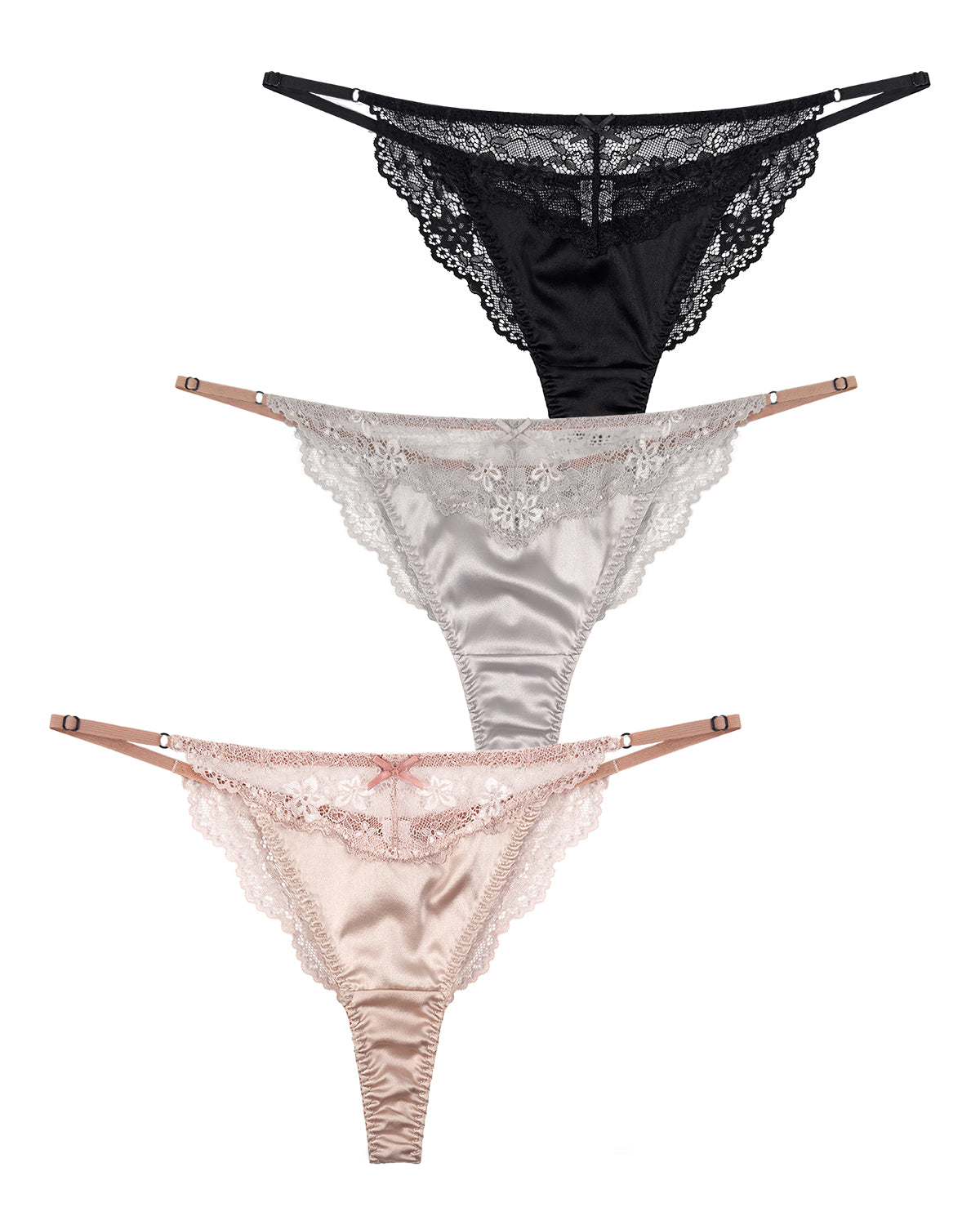
The main fabric may be 100% silk or a silk blend. Lace may be a separate panel, while elastic can appear only at a strap, waistband, or leg opening. Fiber composition, fabric construction, and separate garment components describe different parts of the finished product.

Does “Silk Underwear” Mean Every Part Is 100% Silk?

No.

A garment can have a 100% silk main fabric while separately constructed trim or elastic components may be subject to different fiber-disclosure rules.

Two products illustrate why that distinction matters.

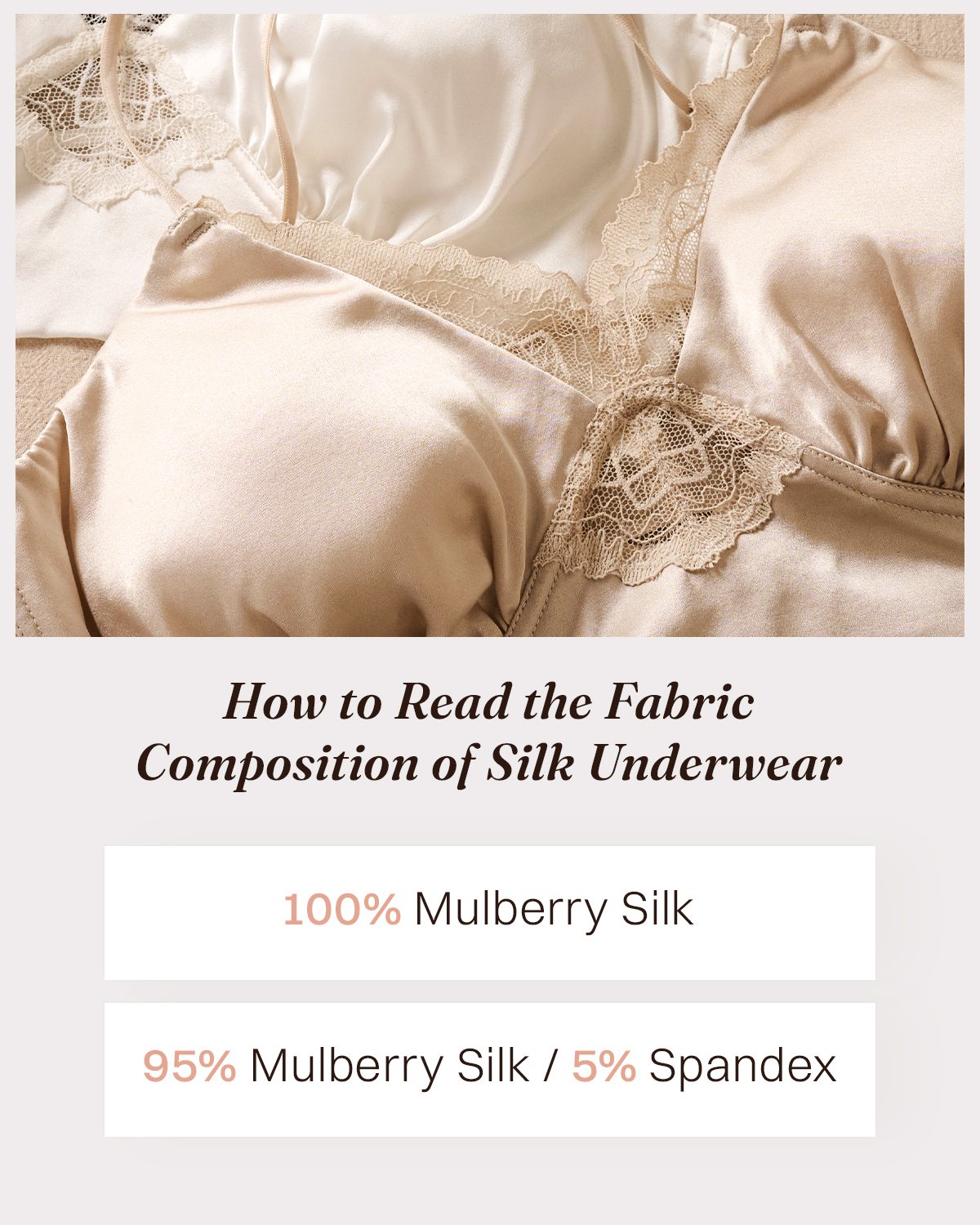
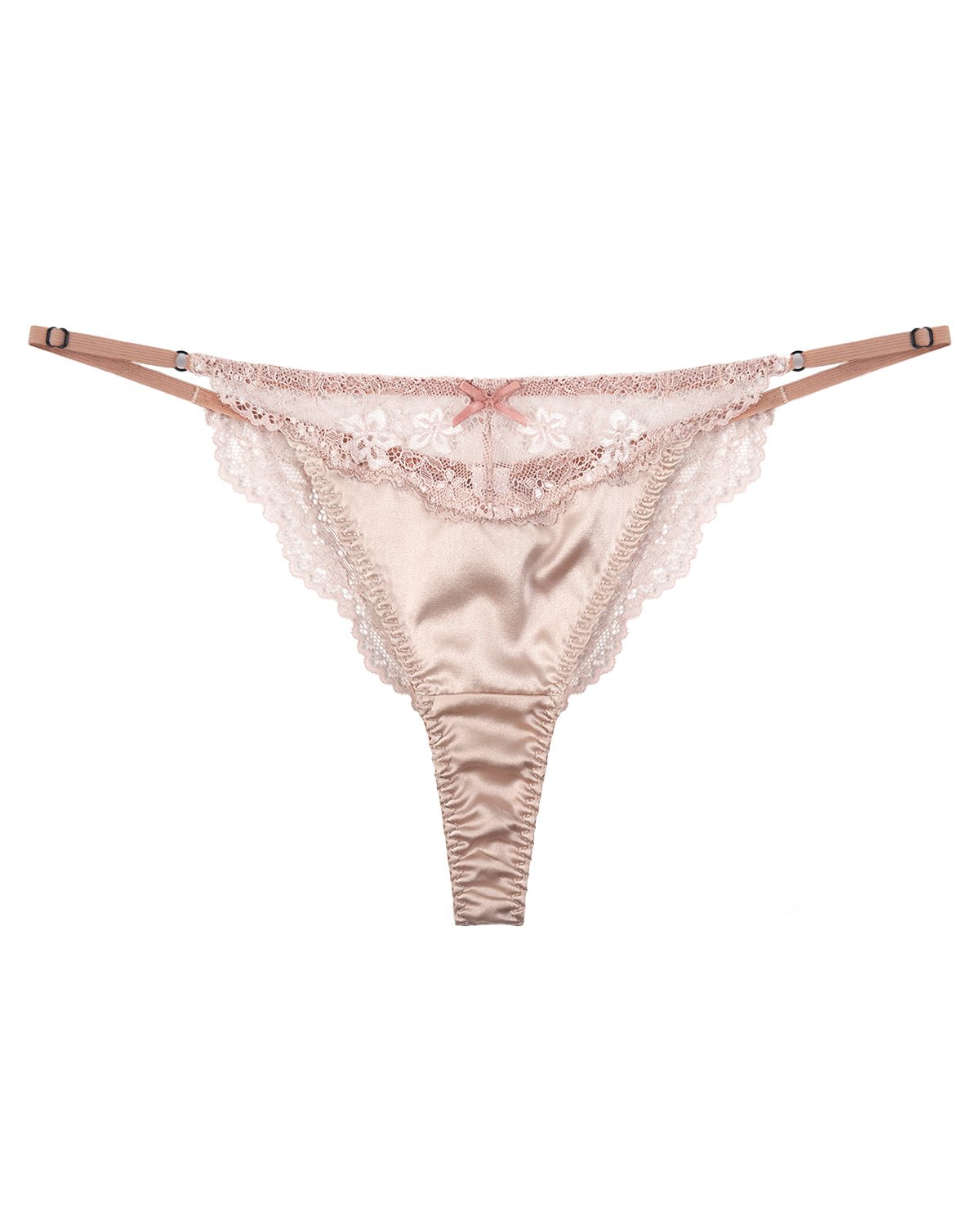
BRA09 uses a main cup fabric made from 95% mulberry silk and 5% spandex. Above the cup is a separate lace section made from a nylon-spandex blend. The adjustable shoulder straps are elastic components.

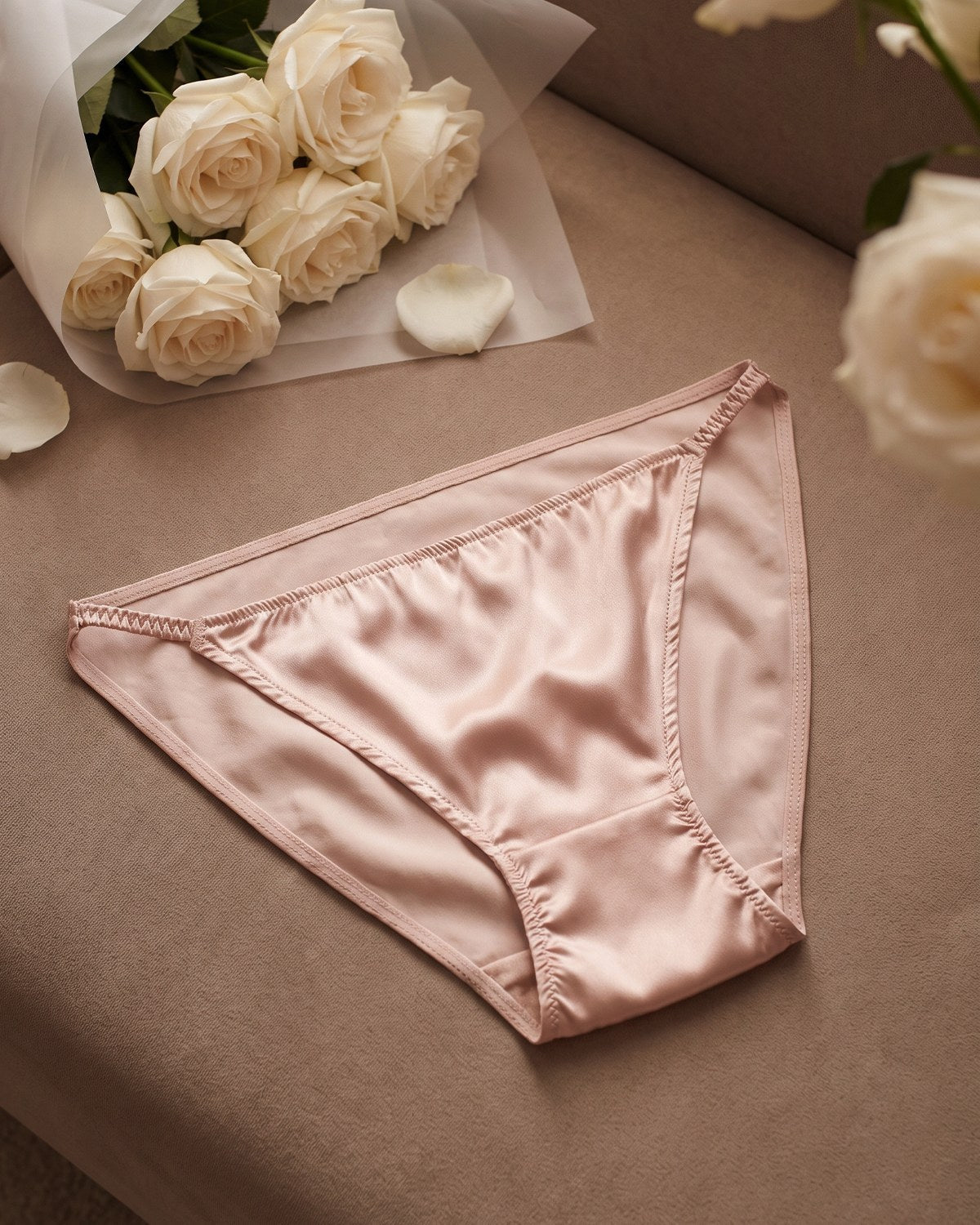
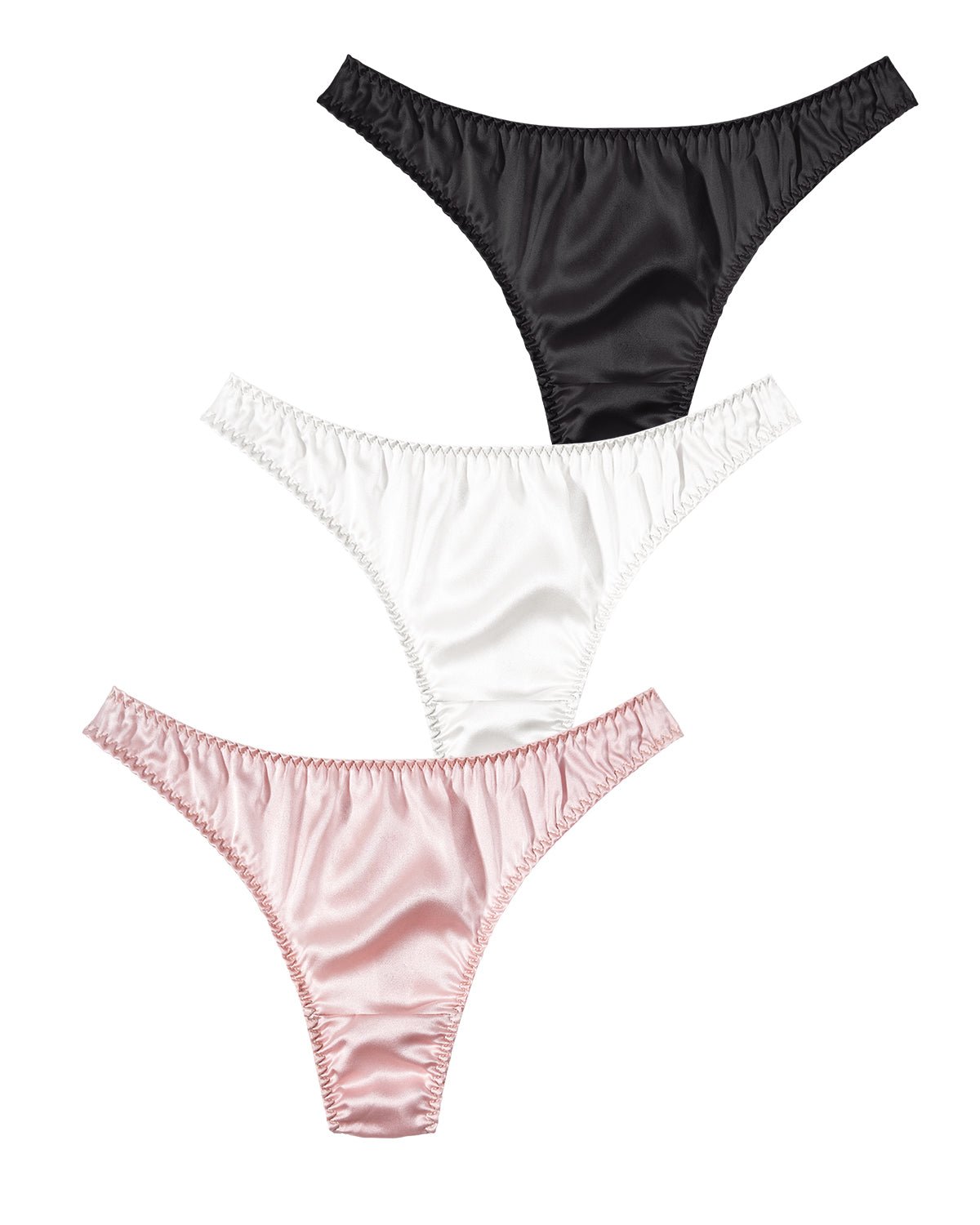
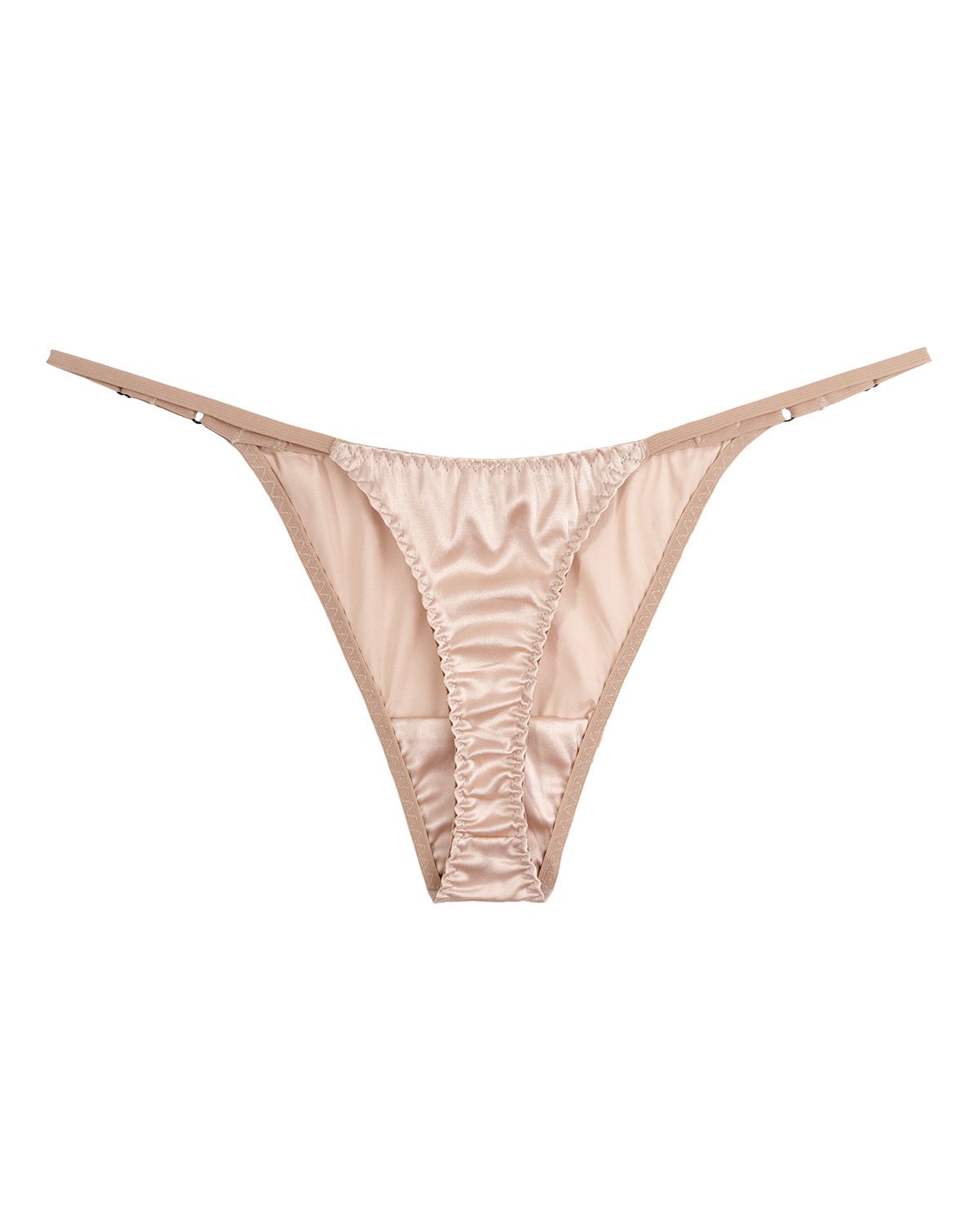
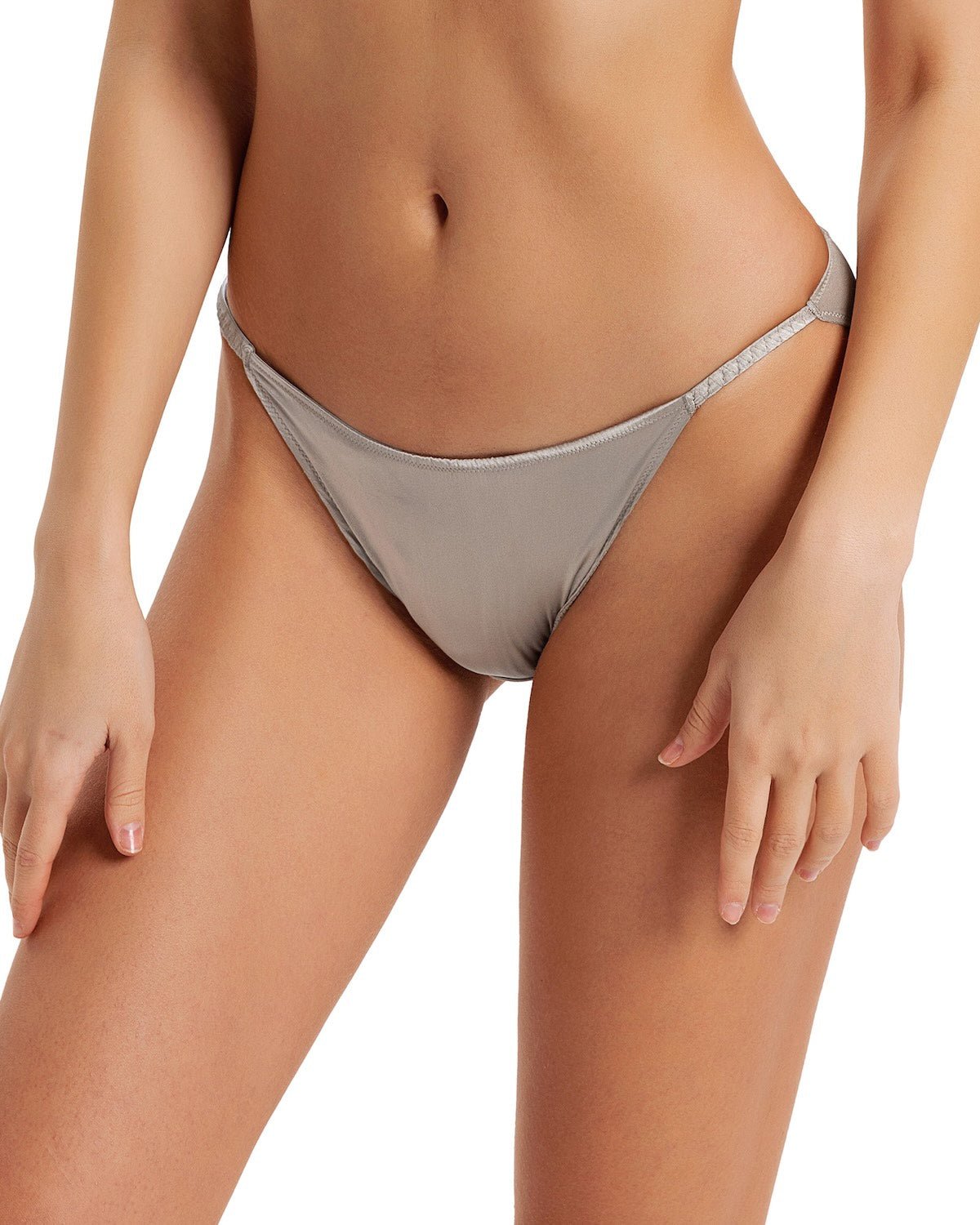
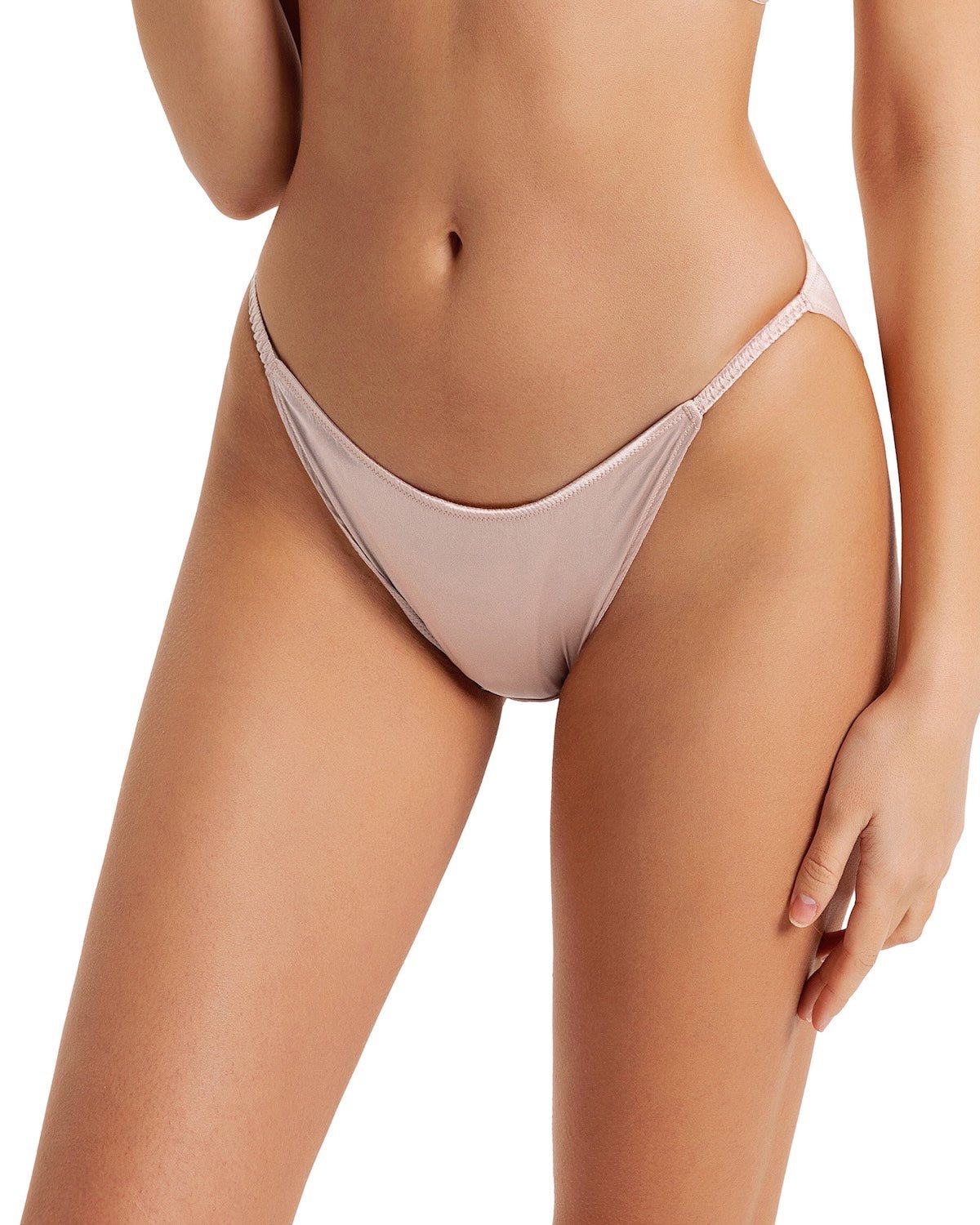
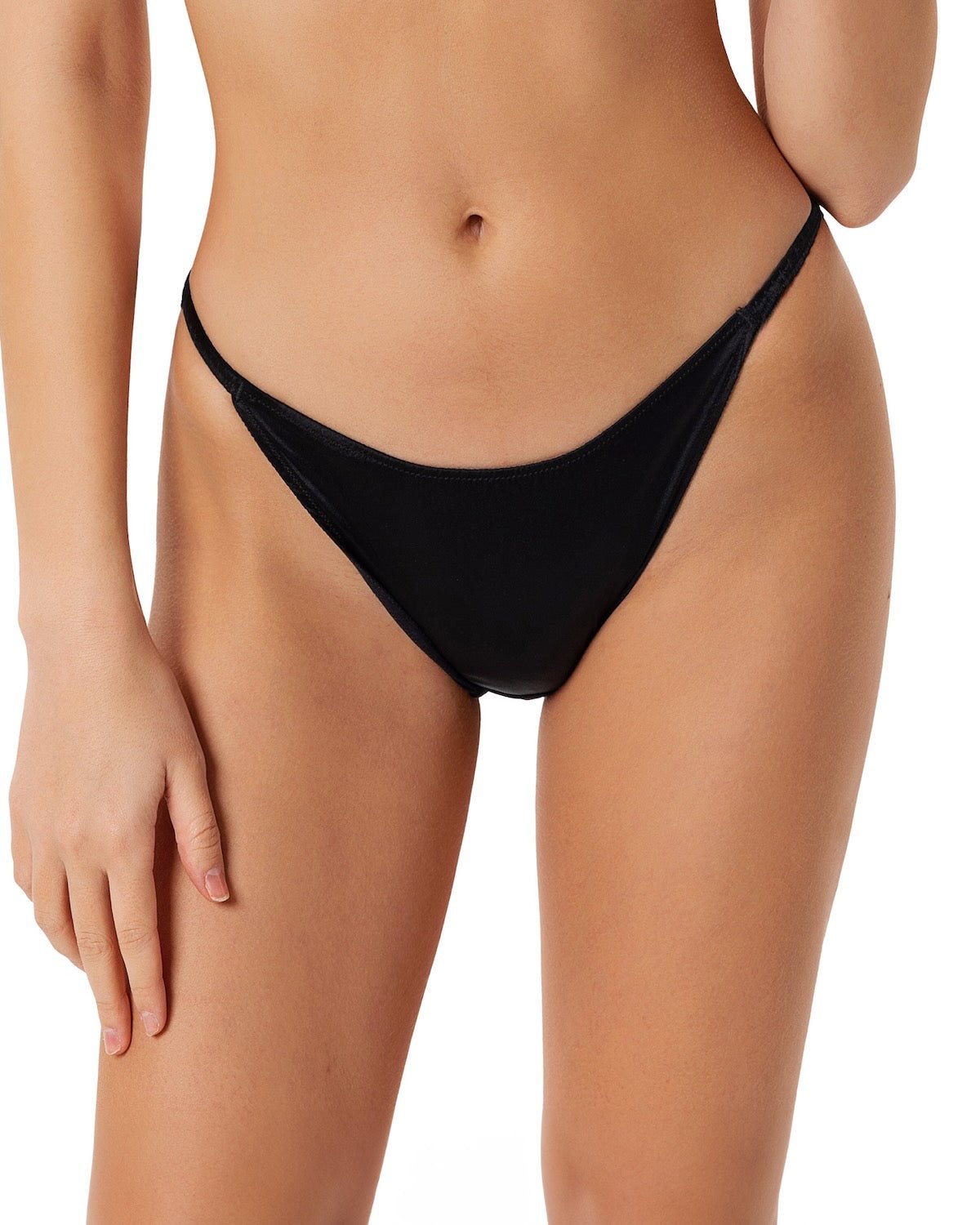
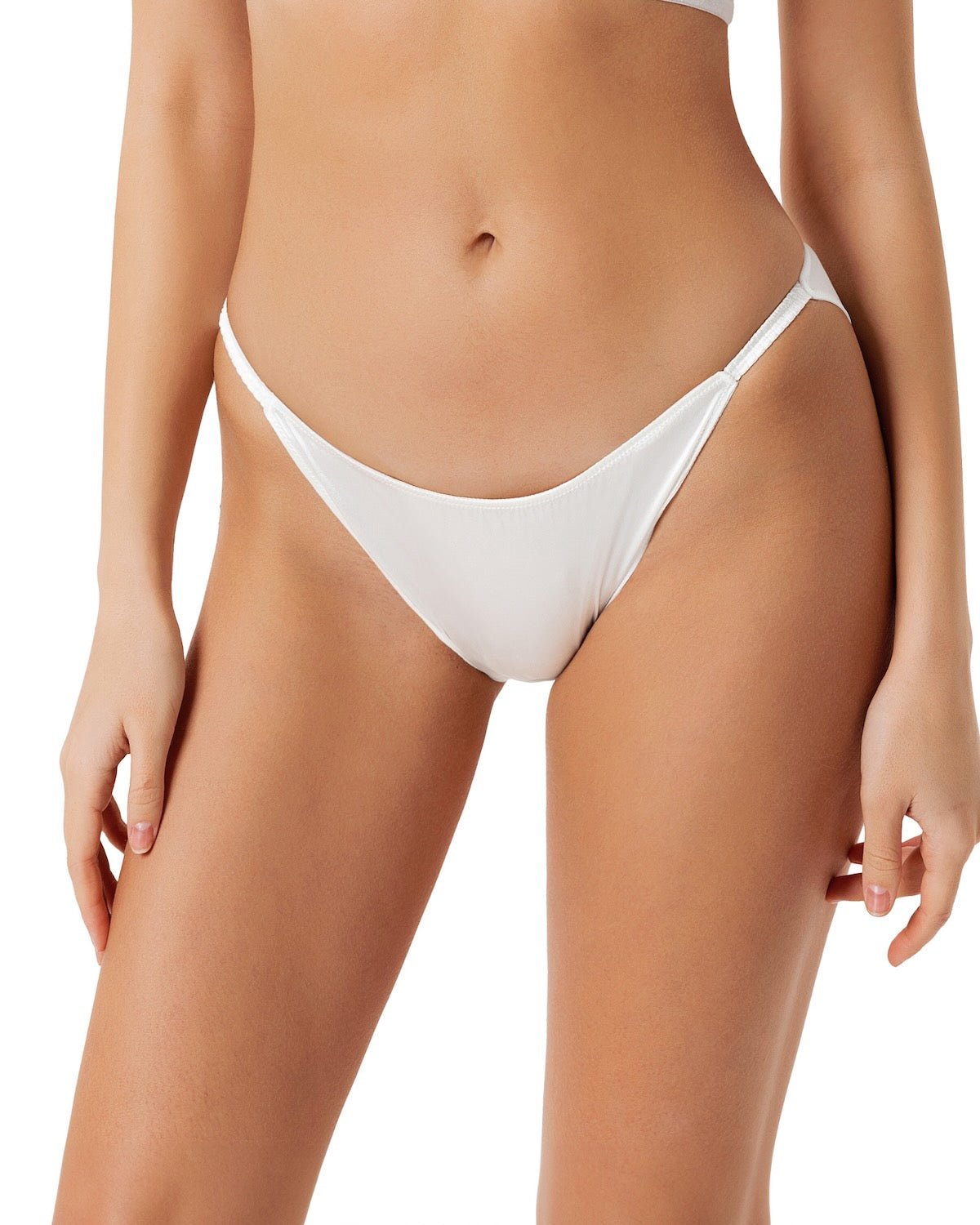
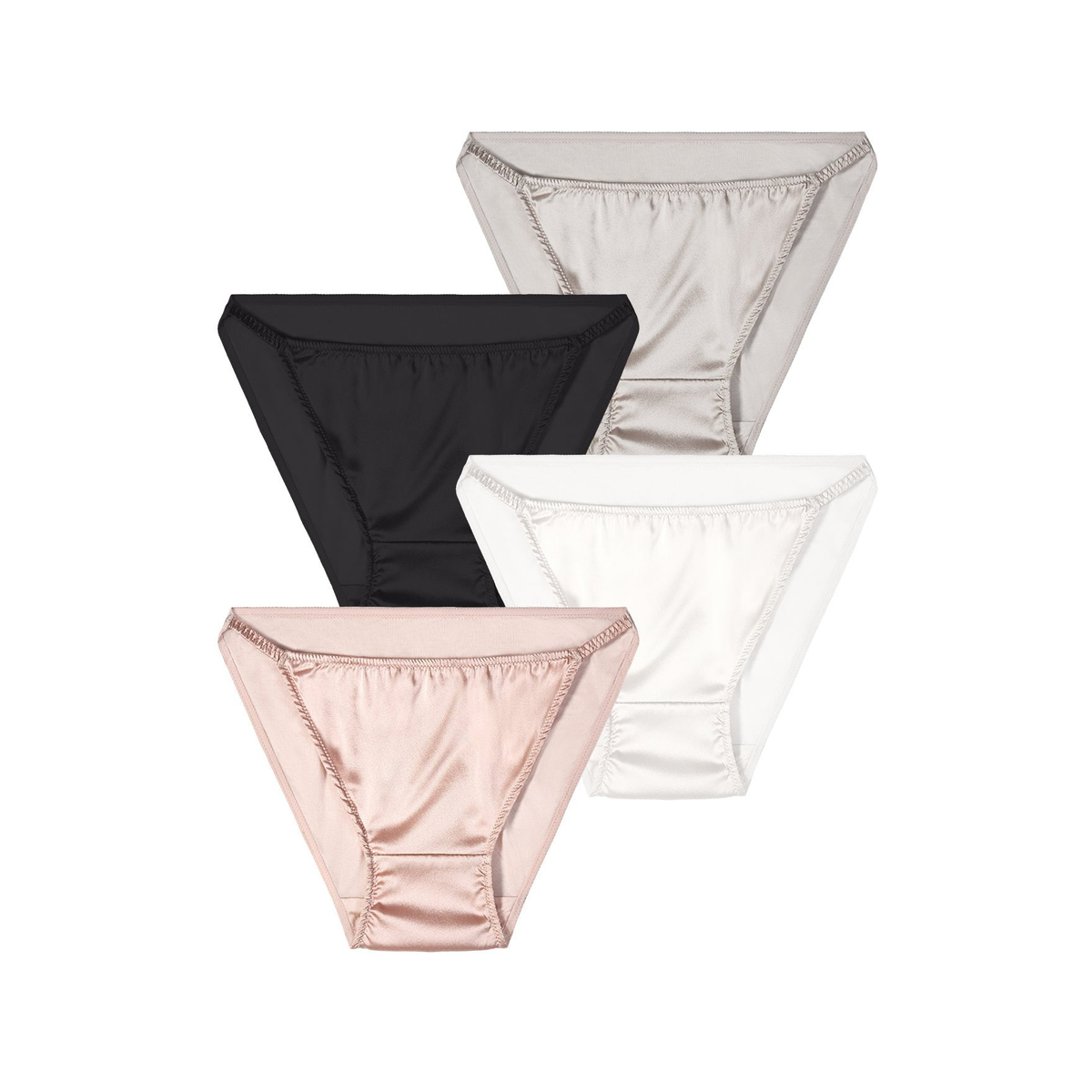
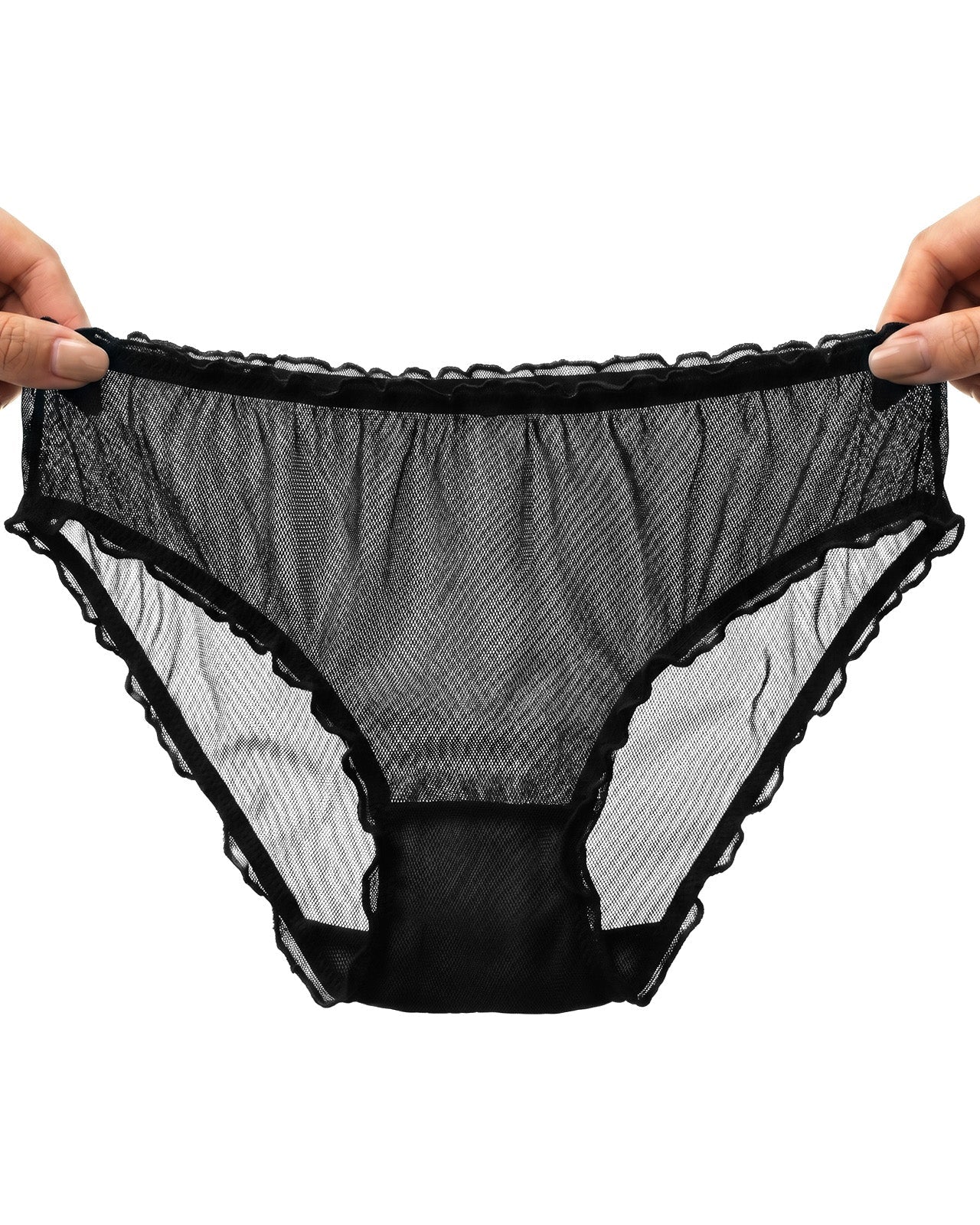
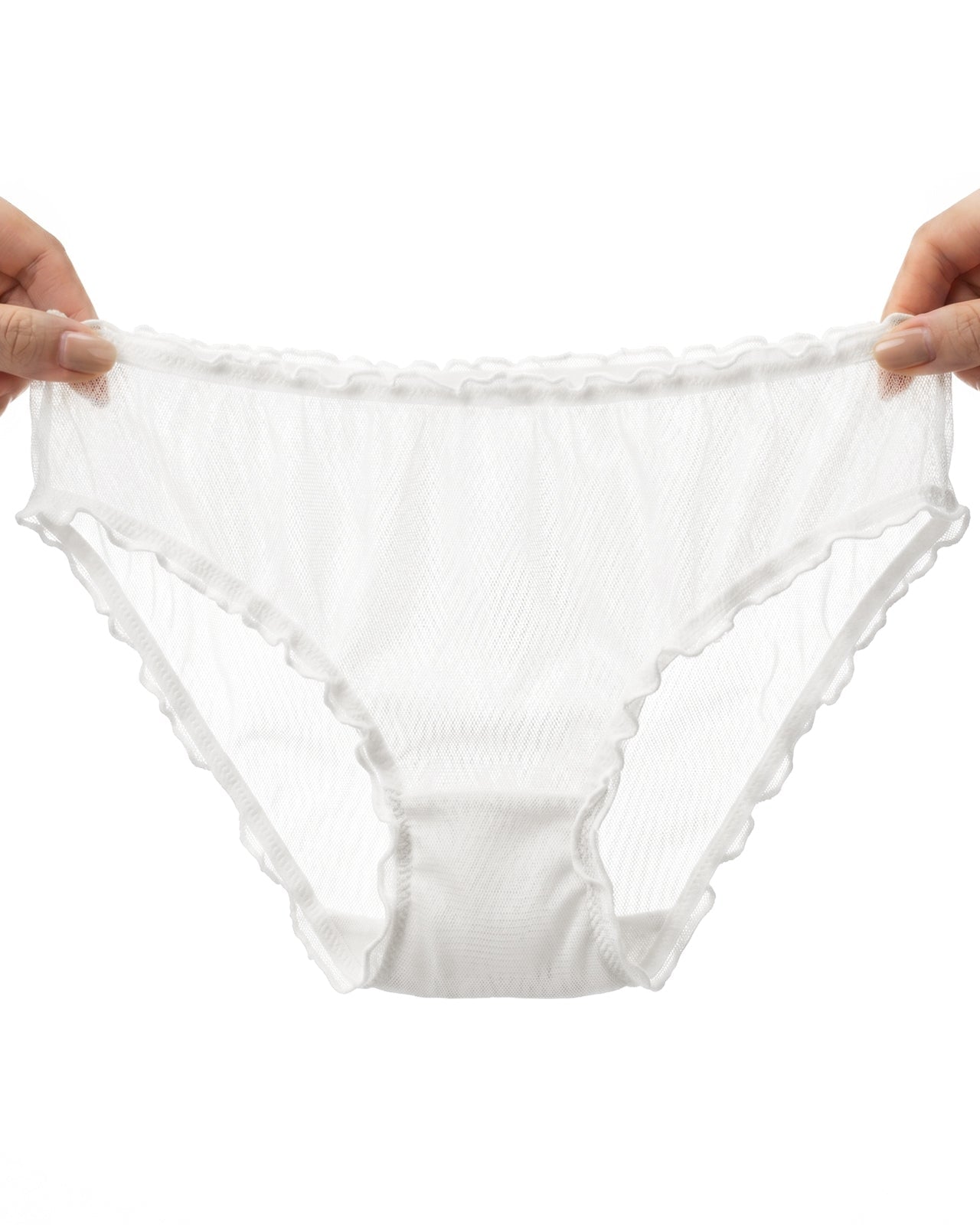
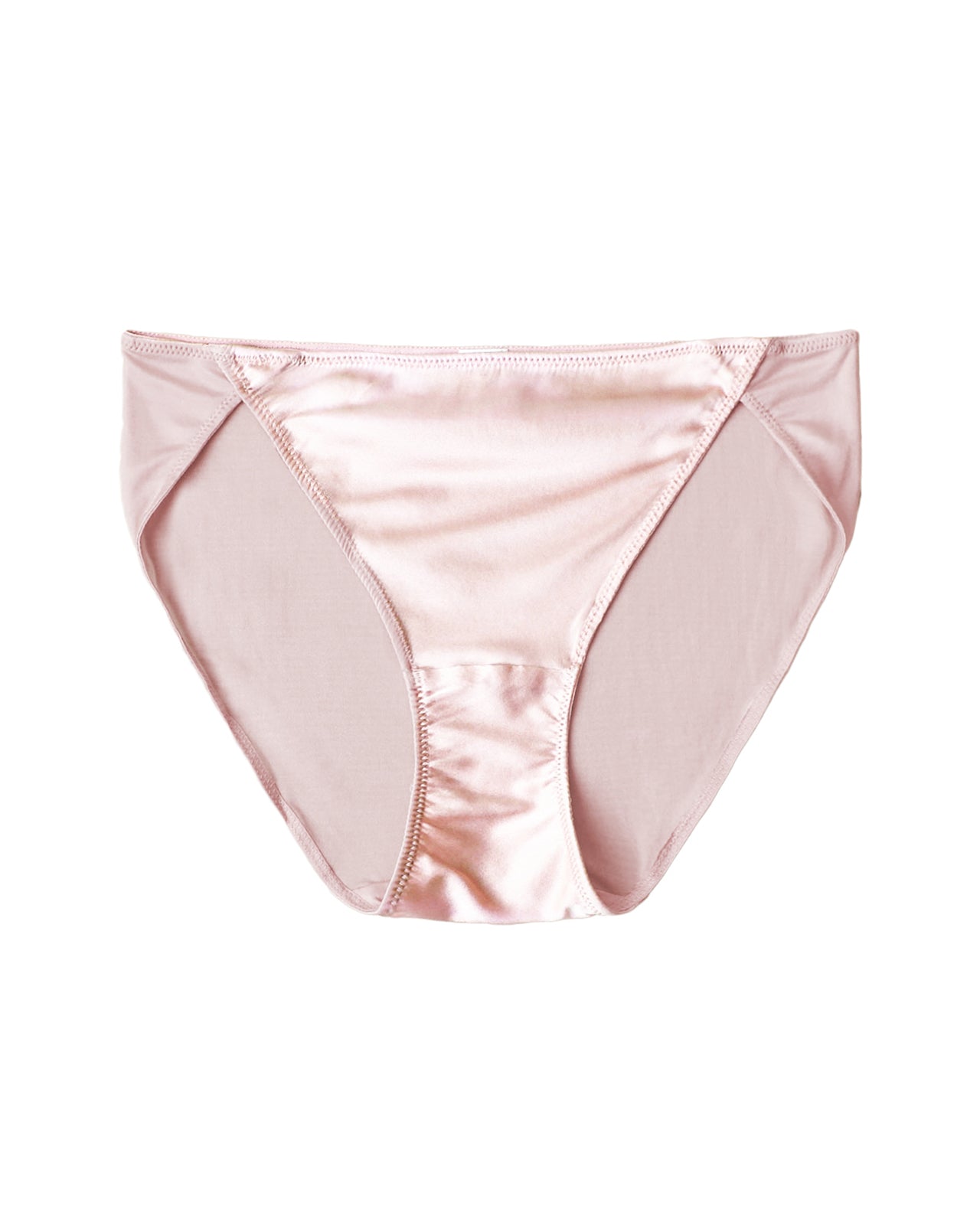
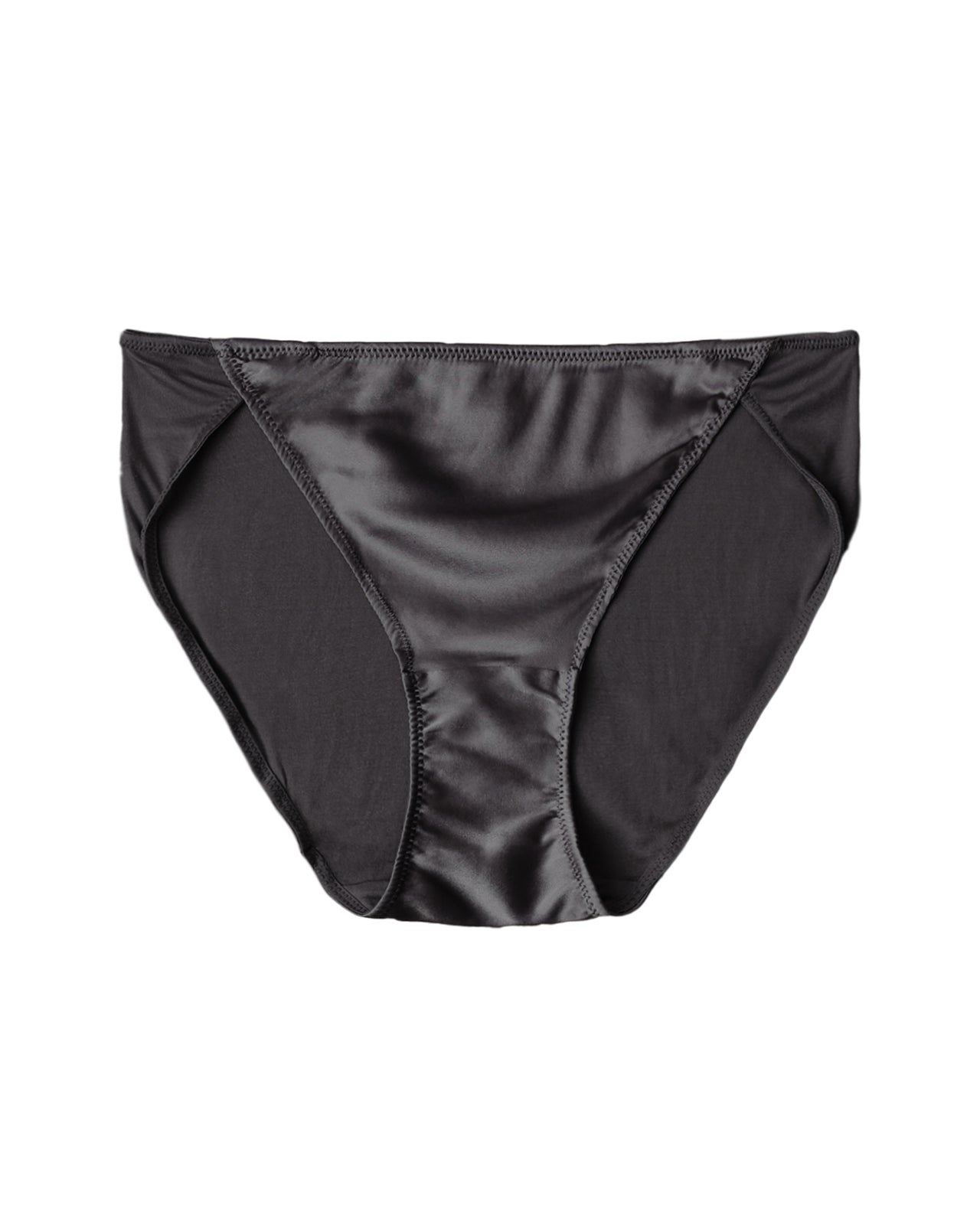
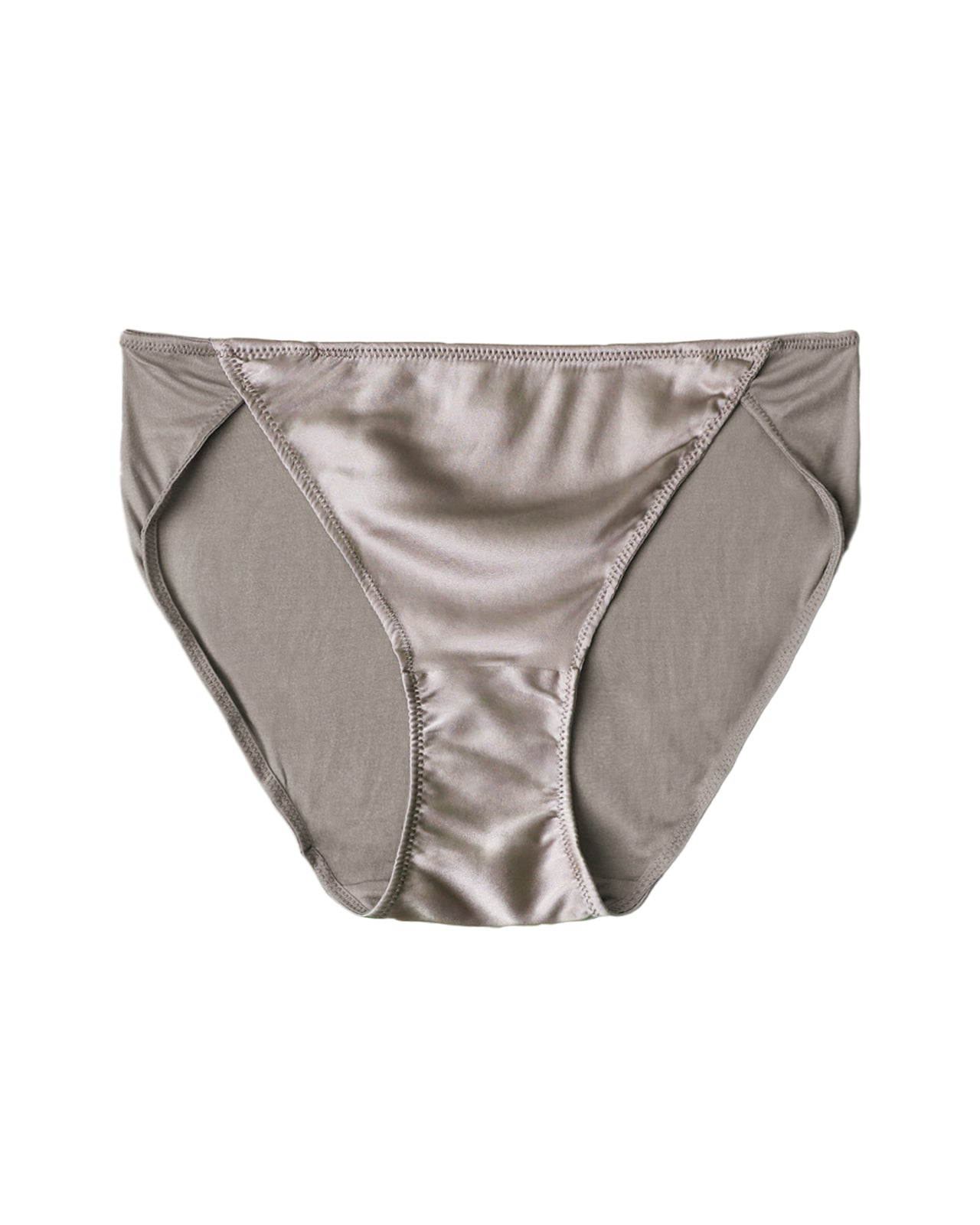
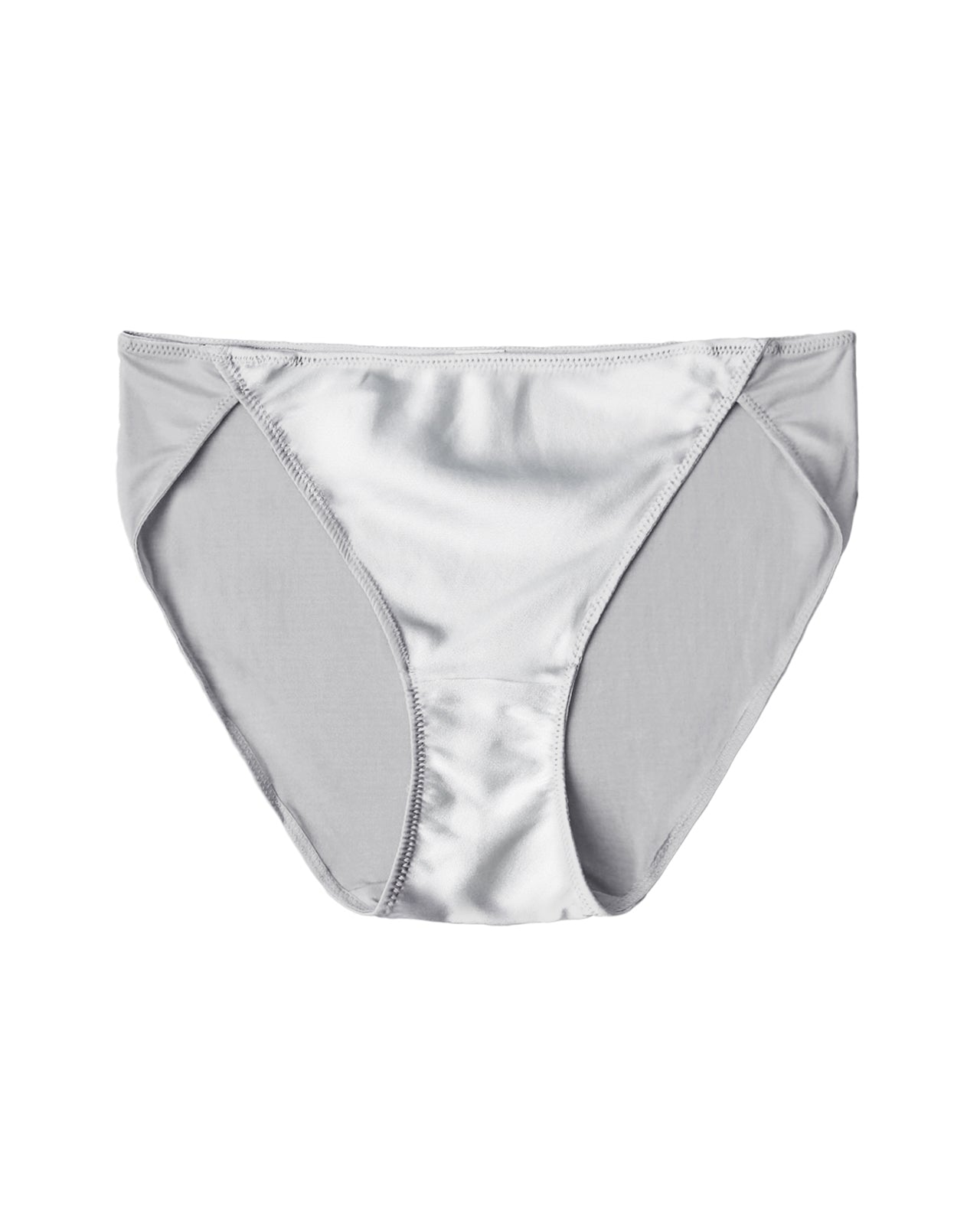
KN17 is constructed differently. Its main body uses a 42-gauge, 70 gsm, 100% mulberry silk double-knit fabric. Elastic is added separately at the waistband and leg openings.

These examples involve three different questions:

  • What fibers are in the main fabric?
  • Are other fibers blended into that fabric?
  • Are different materials used in separate parts of the garment?

A main-fabric composition does not automatically describe the lace, straps, waistband, trim, or other components attached to it.

FTC labeling guidance also treats base fabric, certain trims, and elastic sections differently depending on how they are used in a garment.

When checking a composition, start with the section it describes:

Which part of the garment does this fiber statement describe?
BRA09 silk bralette cup lace and elastic strap construction | FEELITS

Why Is Spandex Blended With Silk in Some Underwear Fabrics?

In BRA09, spandex is part of the main cup fabric itself:

95% mulberry silk + 5% spandex

It is not the same thing as the elastic shoulder strap.

Spandex is an elastic fiber, and a relatively small percentage can still have functional significance in a textile. But a composition percentage alone does not tell us exactly how much stretch, recovery, support, or durability a particular finished fabric will have.

For BRA09, we have not conducted a standardized test that isolates the performance effect of its 5% spandex. Assigning a specific stretch percentage or durability benefit to that fiber content would therefore go beyond the available evidence.

What we can confirm is that the cup is a silk-spandex blended fabric.

KN17 provides a useful contrast. Its main body fabric contains 100% mulberry silk, with no spandex listed in that fabric composition.

The two products use different material structures rather than one being a universal model for how silk underwear should be made.

KN17 mulberry silk double-knit fabric and separate elastic waistband | FEELITS

Why Does Silk Underwear Use Separate Elastic Components?

Look at where the elastic appears.

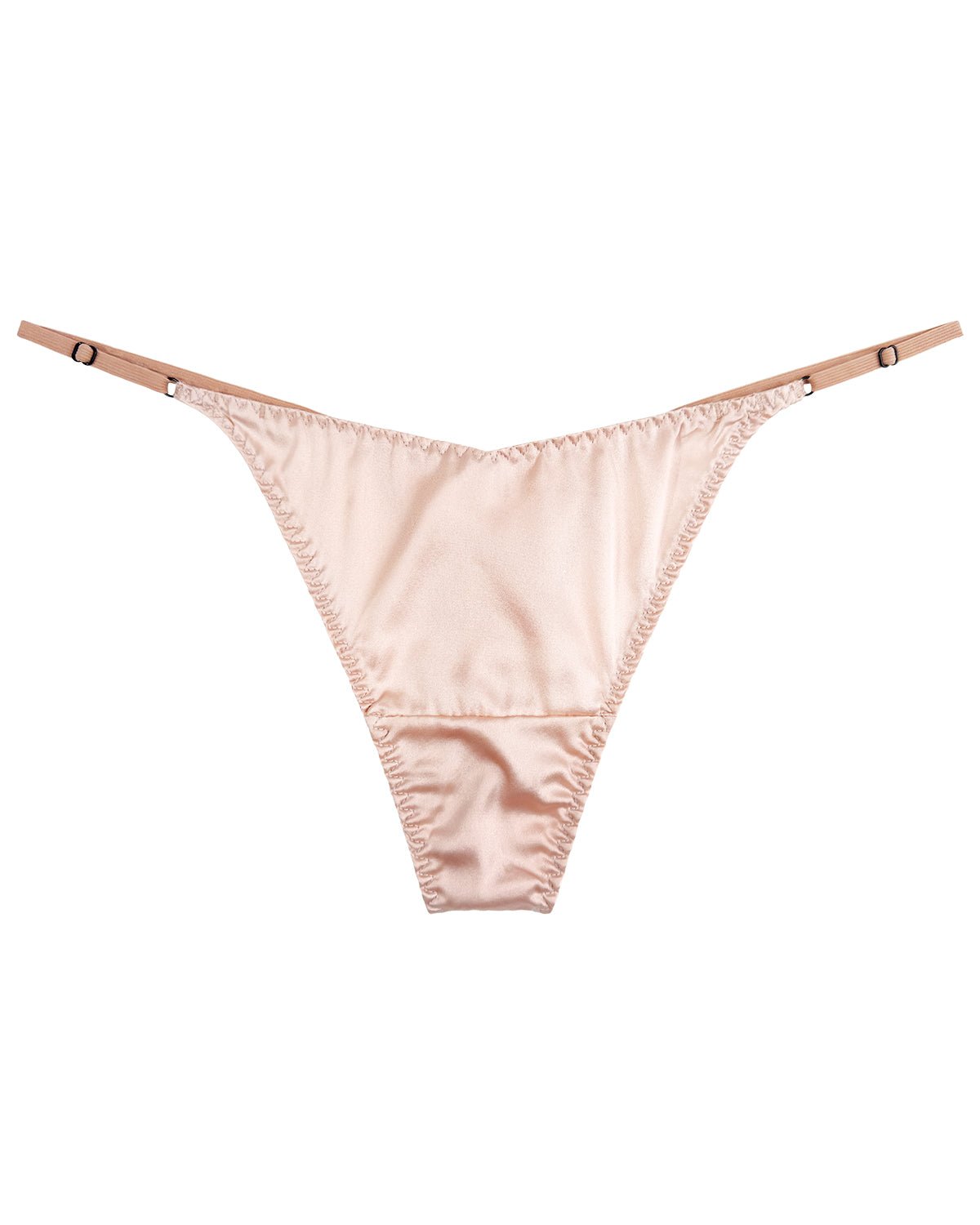
BRA09 uses elastic in its adjustable shoulder straps.

KN17 uses elastic around the waistband and leg openings.

Those components are separate from the main silk fabric.

KN17 has elastic at its waist and leg openings without spandex in its 100% silk main-fabric composition. BRA09 shows another arrangement: spandex is blended into the cup fabric, while the shoulder strap is a separate elastic component.

This distinction is particularly useful when a product description says “100% silk” and a shopper can still see or feel an elastic edge.

For BRA09's straps and KN17's waistband and leg openings, we have confirmed that the components are elastic. We do not currently have verified fiber-percentage breakdowns for those elastic components.

That is why we would not describe them more specifically as a particular nylon, polyester, rubber, or spandex blend without additional documentation.

“Elastic” identifies the type of component here. It does not, by itself, provide a complete fiber composition.

Why Is Lace Used With Silk?

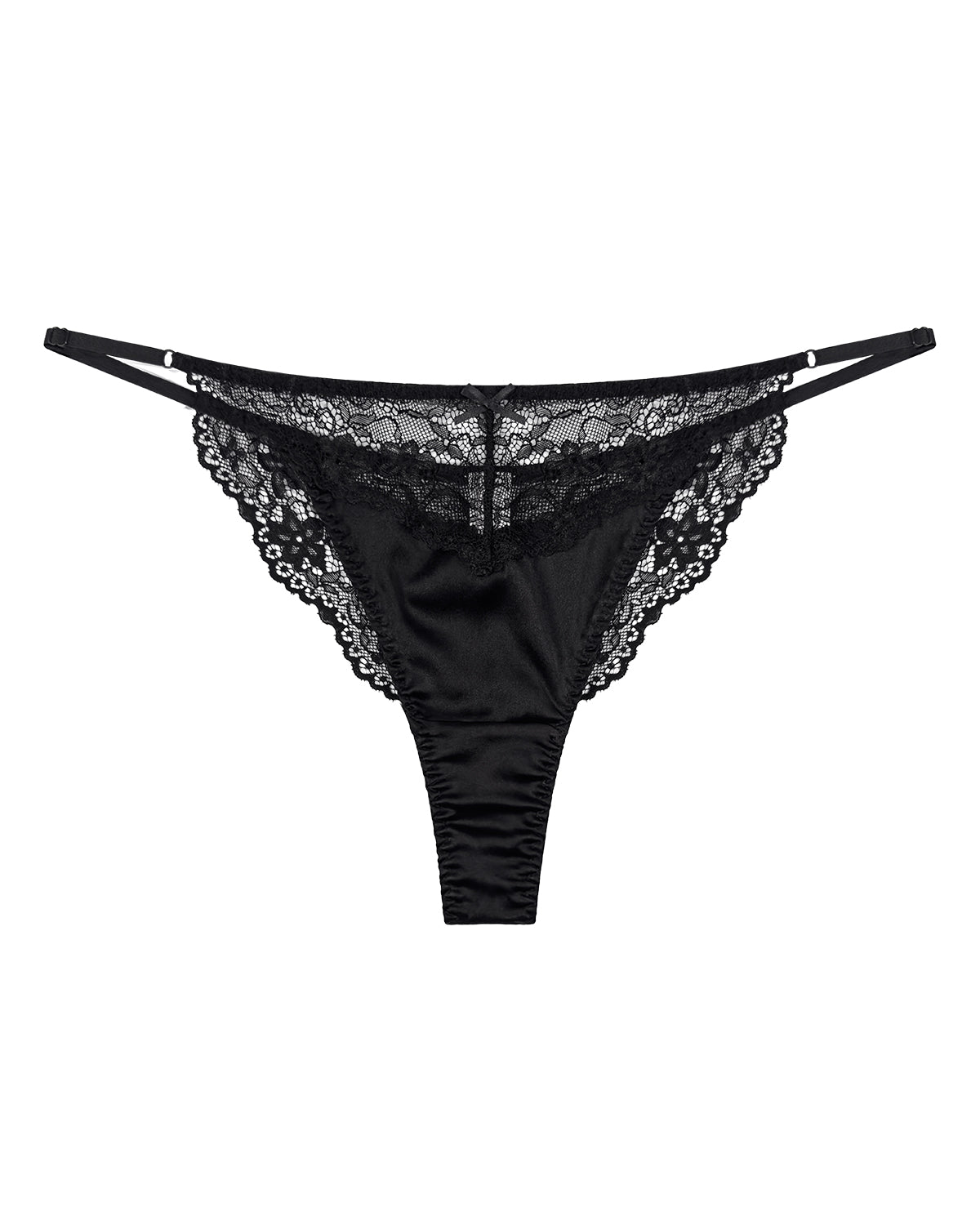
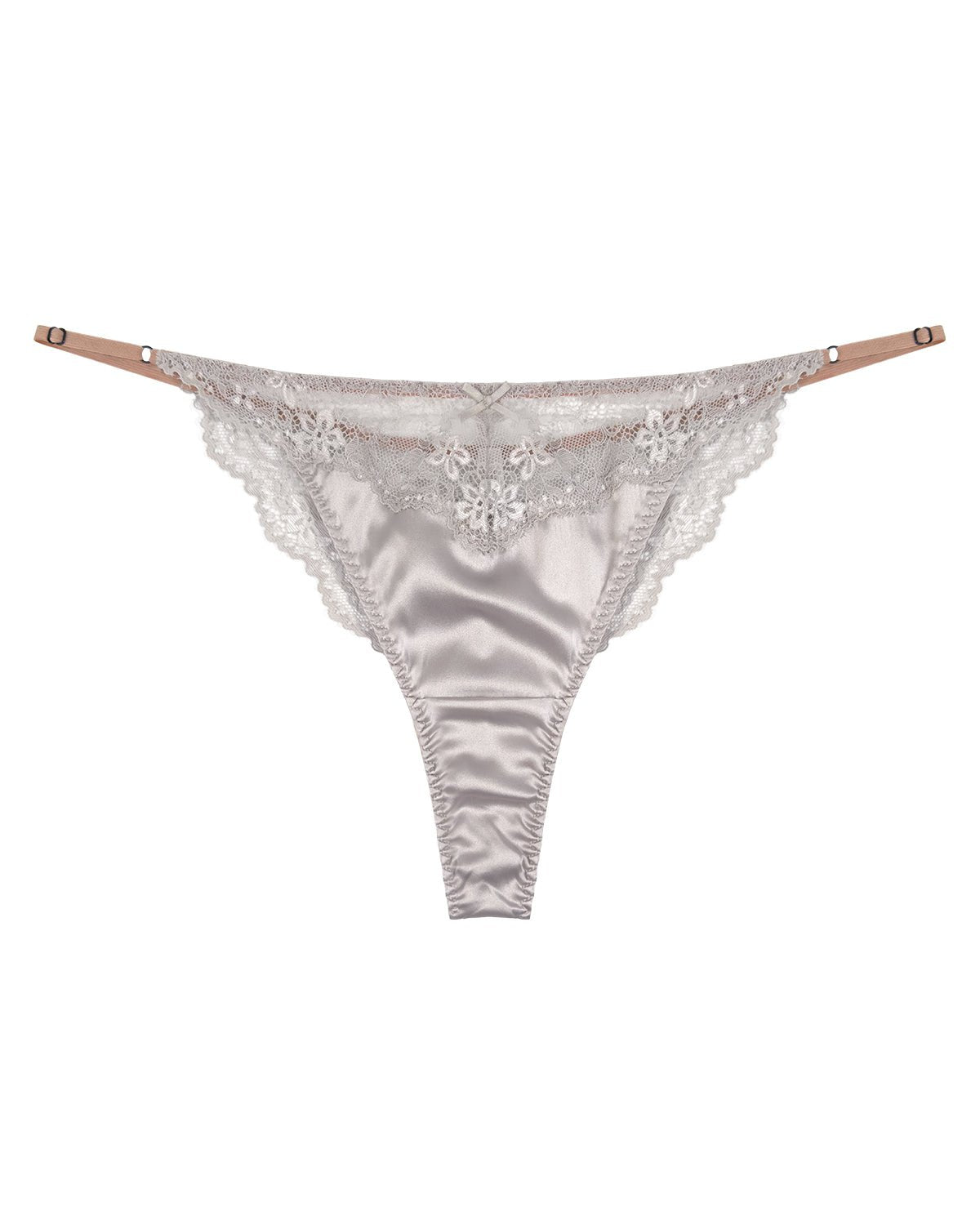
BRA09 has a separate lace section across the upper-bust area.

The lace is made from a nylon-spandex blend. Its exact nylon-to-spandex percentage has not been verified.

For this particular design, the confirmed role of the lace is decorative.

The construction can be read by area:

  • Main cup: 95% mulberry silk + 5% spandex
  • Upper-bust lace: nylon-spandex blend
  • Shoulder straps: elastic

The lace composition tells us what the lace section is made from. It does not change the fiber content of the neighboring silk-blend cup.

This also avoids reading the lace composition as though it applied to the cup fabric.

Other underwear styles may place lace differently or use it for another construction purpose. BRA09 is one product example, so its decorative upper-bust lace should not be treated as a rule for every lace-trimmed style.

We also do not have product-specific evidence that this lace adds a measurable amount of breathability, support, durability, or another performance benefit. Those claims are unnecessary for explaining its role in this garment.

Stretch, Spandex, and Elastic Are Not the Same Thing

These terms can describe different sources of movement or adjustment in a garment.

Term What it describes Product example
Fabric construction How the yarns form the fabric KN17: 100% mulberry silk double-knit main fabric
Fiber blend Different fibers contained in the same fabric BRA09: 95% mulberry silk + 5% spandex main cup
Separate elastic component A distinct elastic part used in the finished garment BRA09 shoulder straps; KN17 waistband and leg openings

KN17's main fabric contains 100% mulberry silk, but it is knitted. Because KN17 is knitted, some of its give comes from the fabric structure itself rather than from spandex in the main-fabric composition.

This does not establish a rule that every knitted silk fabric stretches more than every woven silk fabric. Yarn, knitting structure, fabric density, finishing, and garment construction can all affect how a particular fabric behaves, and FEELITS does not currently have standardized stretch testing across all knitted and woven styles.

KN17 shows that fabric construction can provide some give even when the fiber composition is 100% silk.

The two products reach flexibility in different ways: KN17 through its knitted silk structure plus separate edge elastic, and BRA09 through a silk-spandex cup fabric plus elastic shoulder straps. Other garments may use different combinations.

For more detail on the distinction between fiber identity and fabric construction, see how knitted and woven silk differ.

Does Lace, Spandex, or Elastic Mean the Silk Is Fake?

No. A non-silk component in one part of a garment cannot identify the fibers in another part.

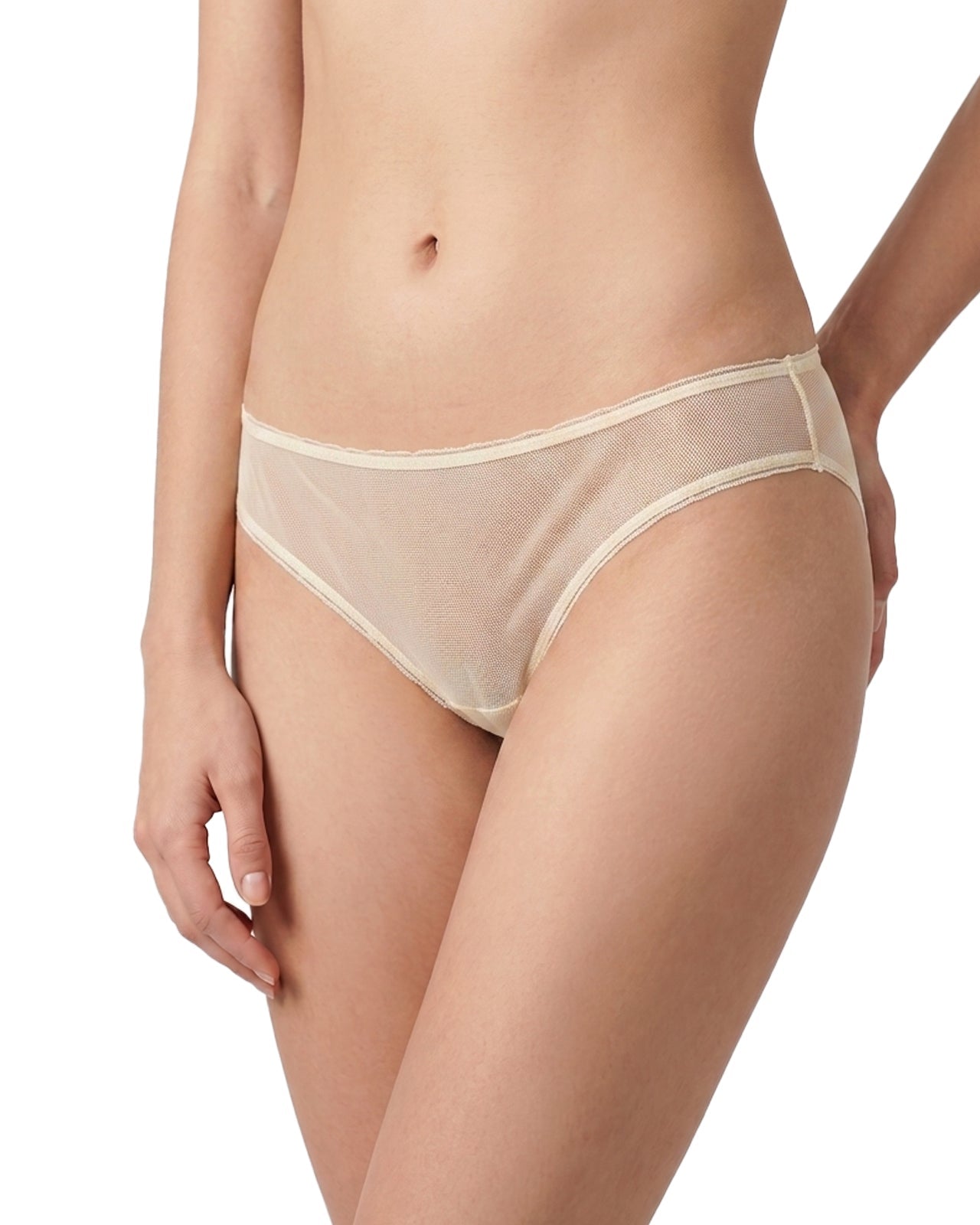
The examples above show why. KN17 has separate elastic at the waistband and leg openings while its main fabric remains 100% mulberry silk.

Likewise, a nylon-spandex lace panel tells you what that lace panel contains. It cannot be used by itself to determine whether the neighboring fabric is genuine silk.

BRA09 also shows that a garment can openly use a silk-spandex blend rather than claiming that the fabric is 100% silk.

U.S. textile rules require fiber-content representations to avoid false or deceptive descriptions, while recognizing that a garment may contain different sections or components with different compositions.

Instead of asking:

“Does this garment contain anything besides silk?”

ask:

“Which section does this fiber statement describe?”
BRA09 fiber blend and KN17 knitted silk fabric construction comparison | FEELITS

FAQ

Can silk underwear contain spandex?

Yes. Some silk underwear uses a silk-spandex blended fabric.

BRA09, for example, has a main cup made from 95% mulberry silk and 5% spandex. The spandex is part of the cup fabric, not the separate shoulder elastic.

Does 100% silk main fabric mean every part of the underwear is silk?

No.

KN17 has a 100% mulberry silk double-knit main fabric, while separate elastic is used at the waistband and leg openings. A main-fabric composition does not necessarily describe every component in the finished garment.

Is the lace on silk underwear always made from silk?

No.

BRA09 uses a nylon-spandex lace section above its silk-spandex cup. Other styles can use different lace compositions, so the material should be checked for the specific garment.

Are spandex and elastic the same thing?

No.

Spandex is a fiber that can be blended into a fabric, while “elastic” can describe a separate stretchable component such as a strap or waistband.

In BRA09, spandex is part of the main cup fabric, while the shoulder strap is a separate elastic component.

Does lace, elastic, or spandex mean the silk is fake?

No.

A non-silk component in one area does not identify the fiber content of another area. Check which fabric or garment section each composition statement describes.

متابعة القراءة