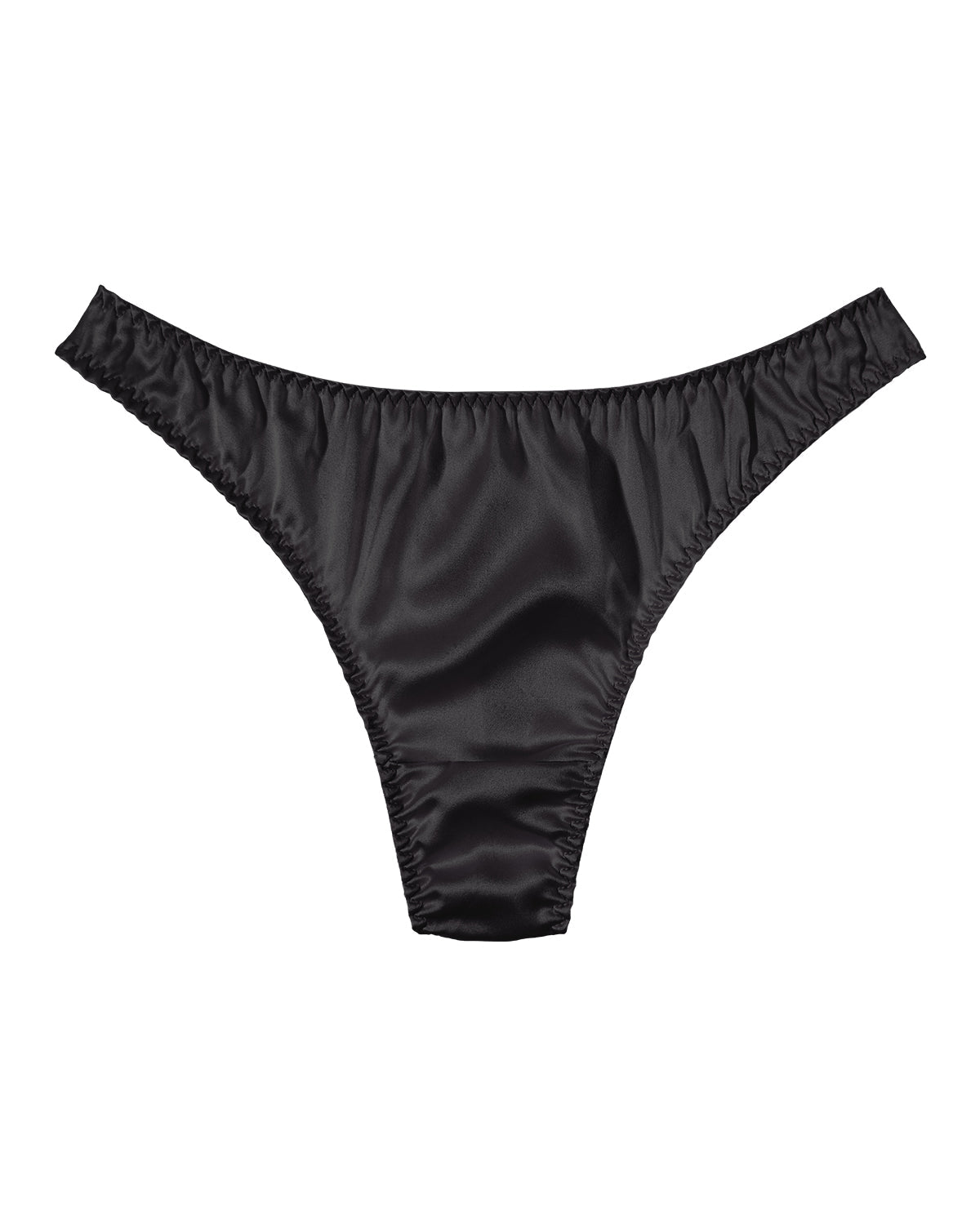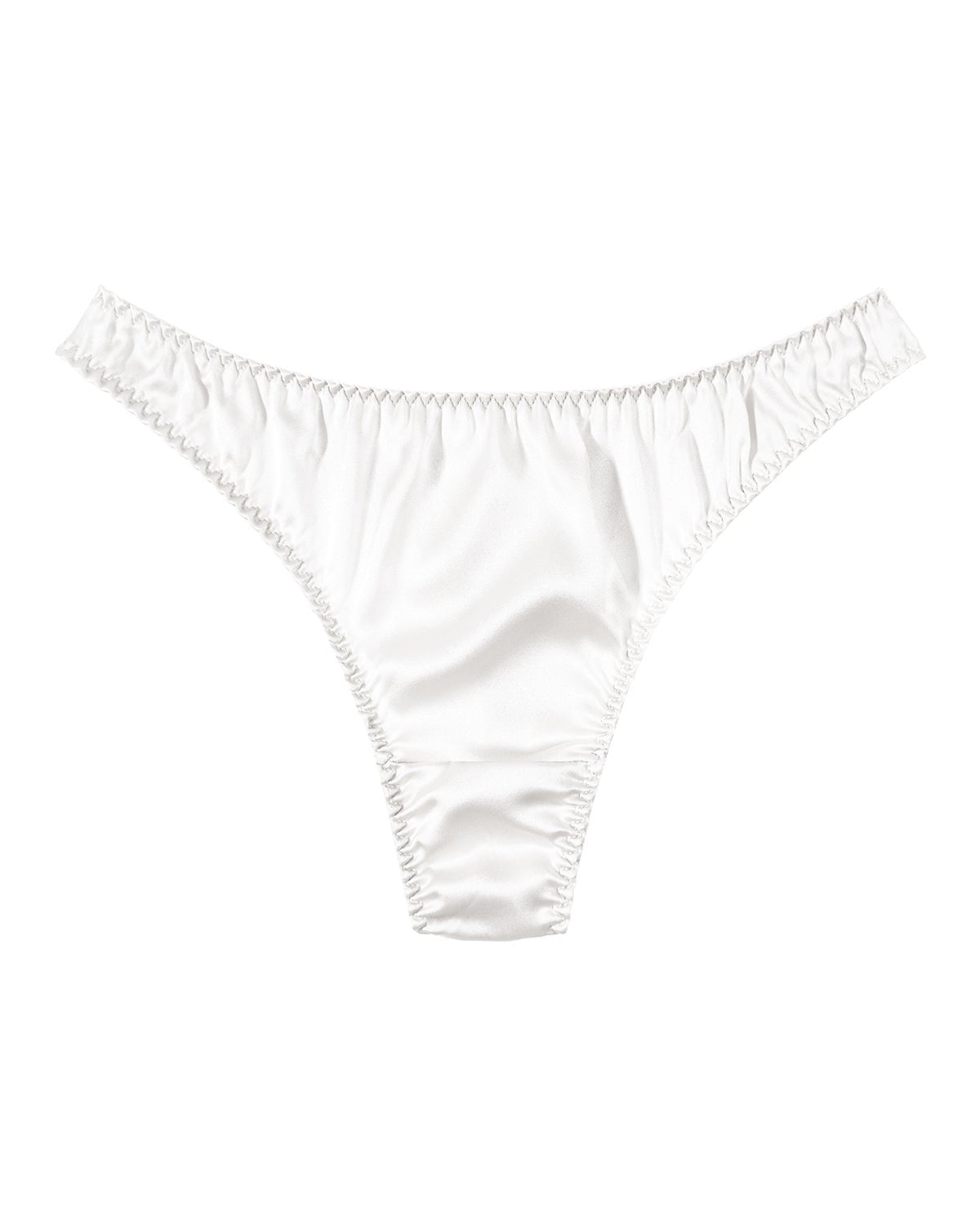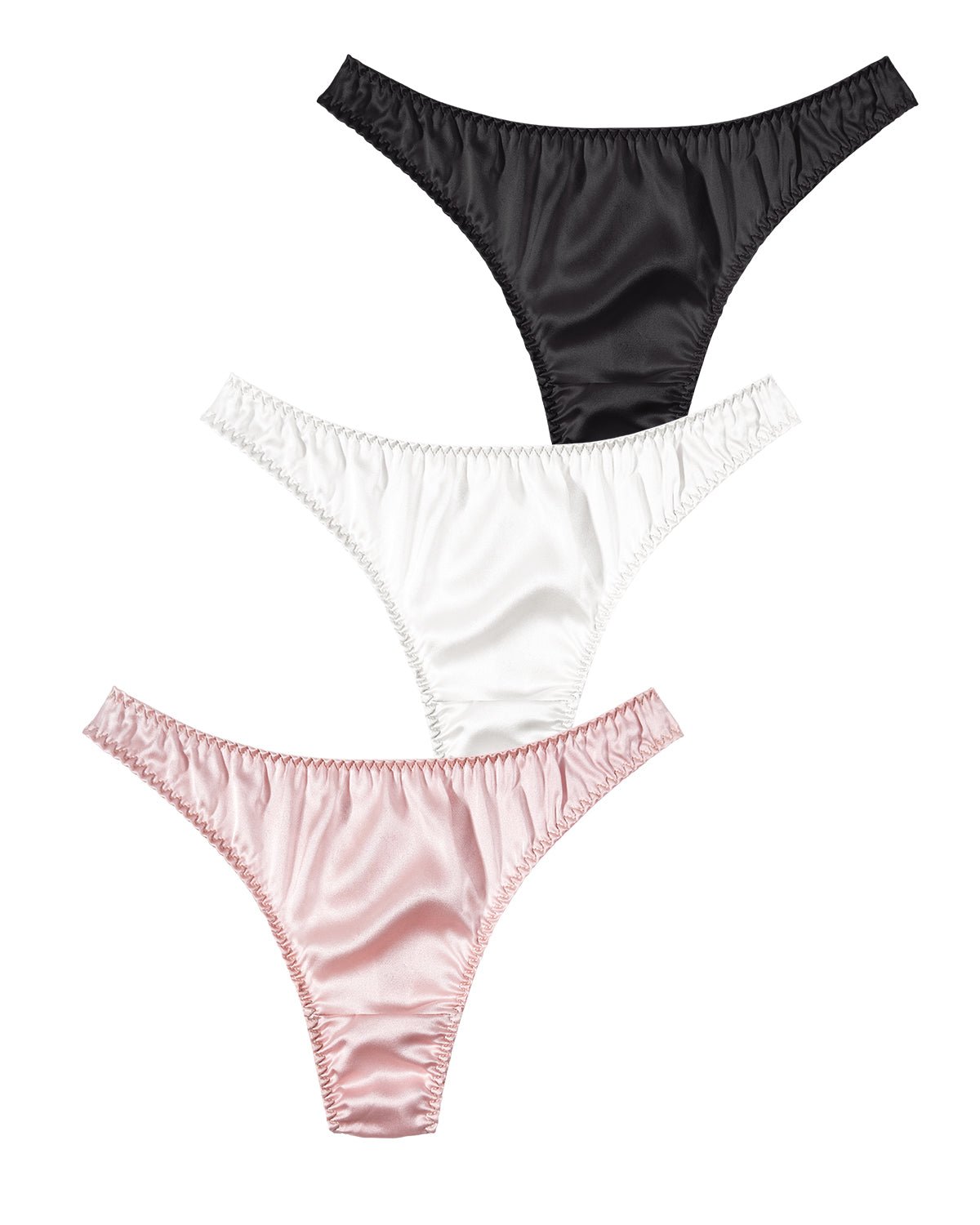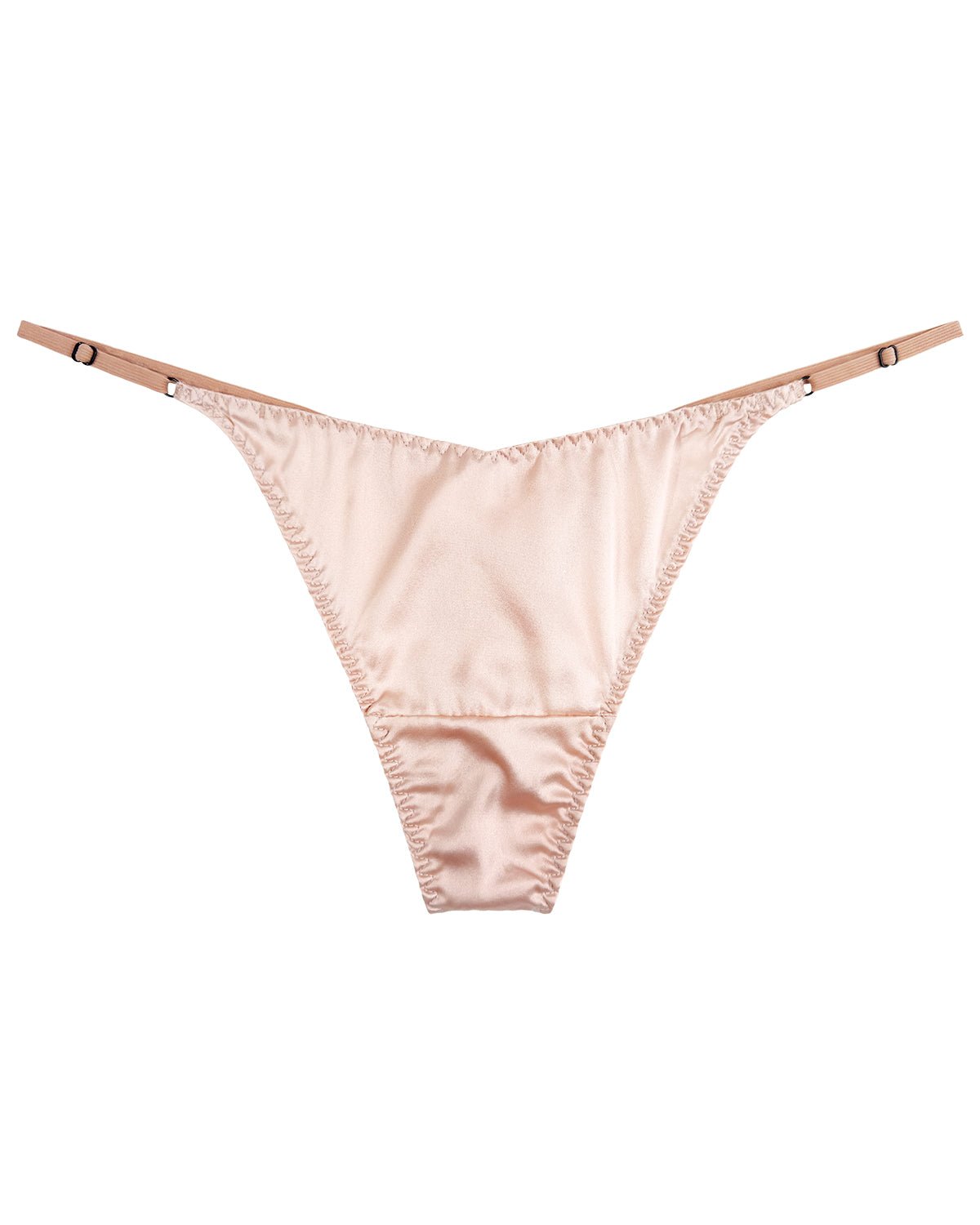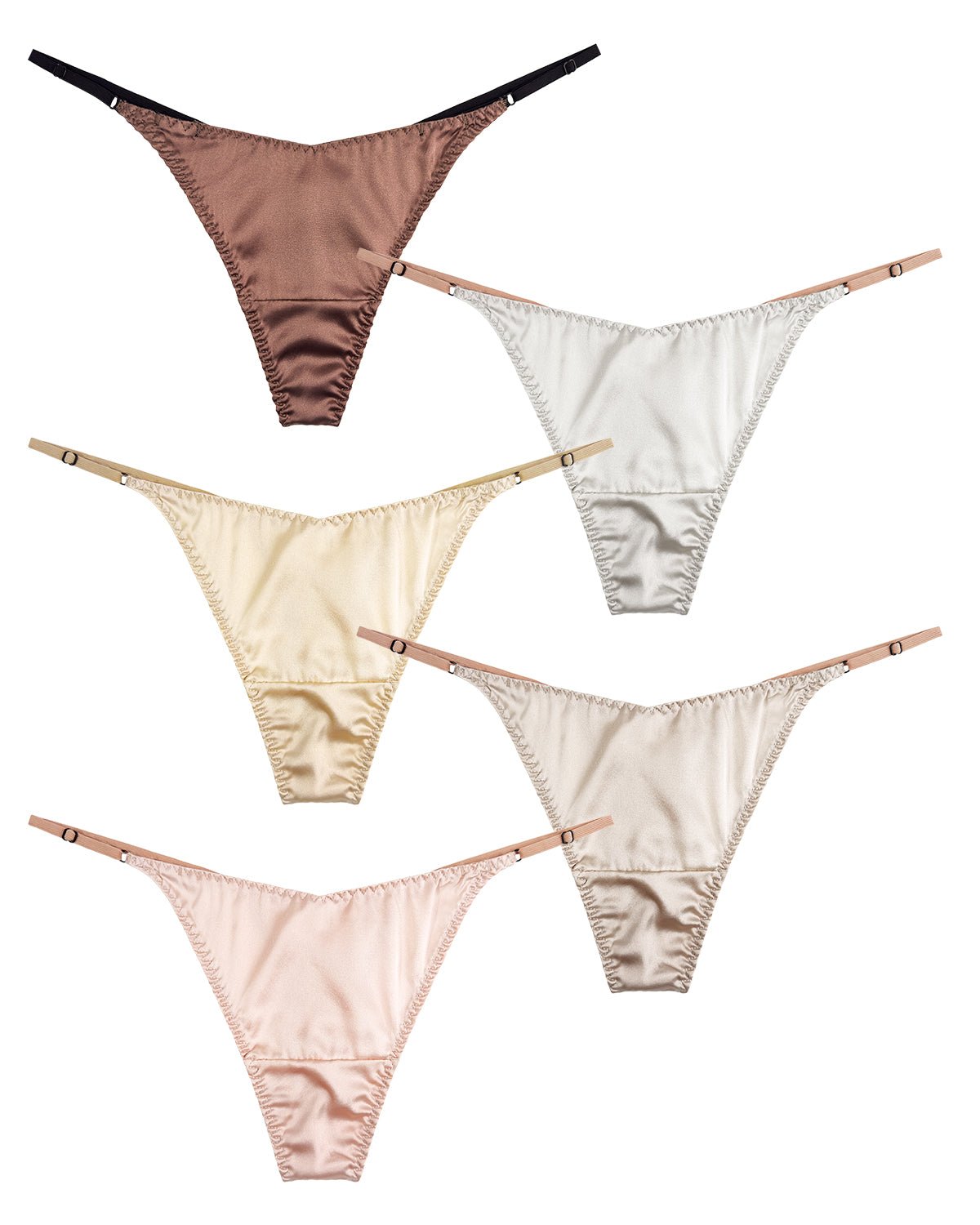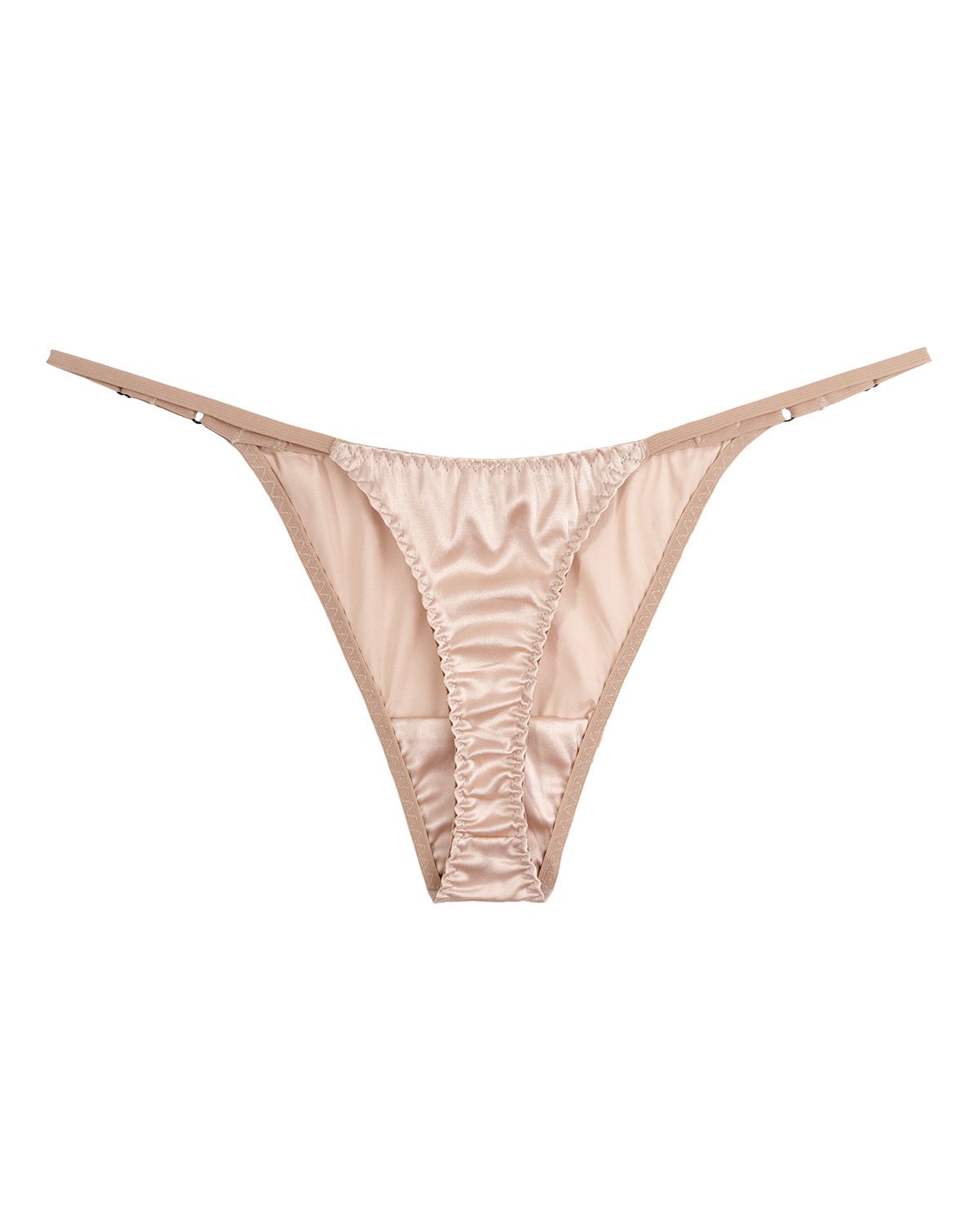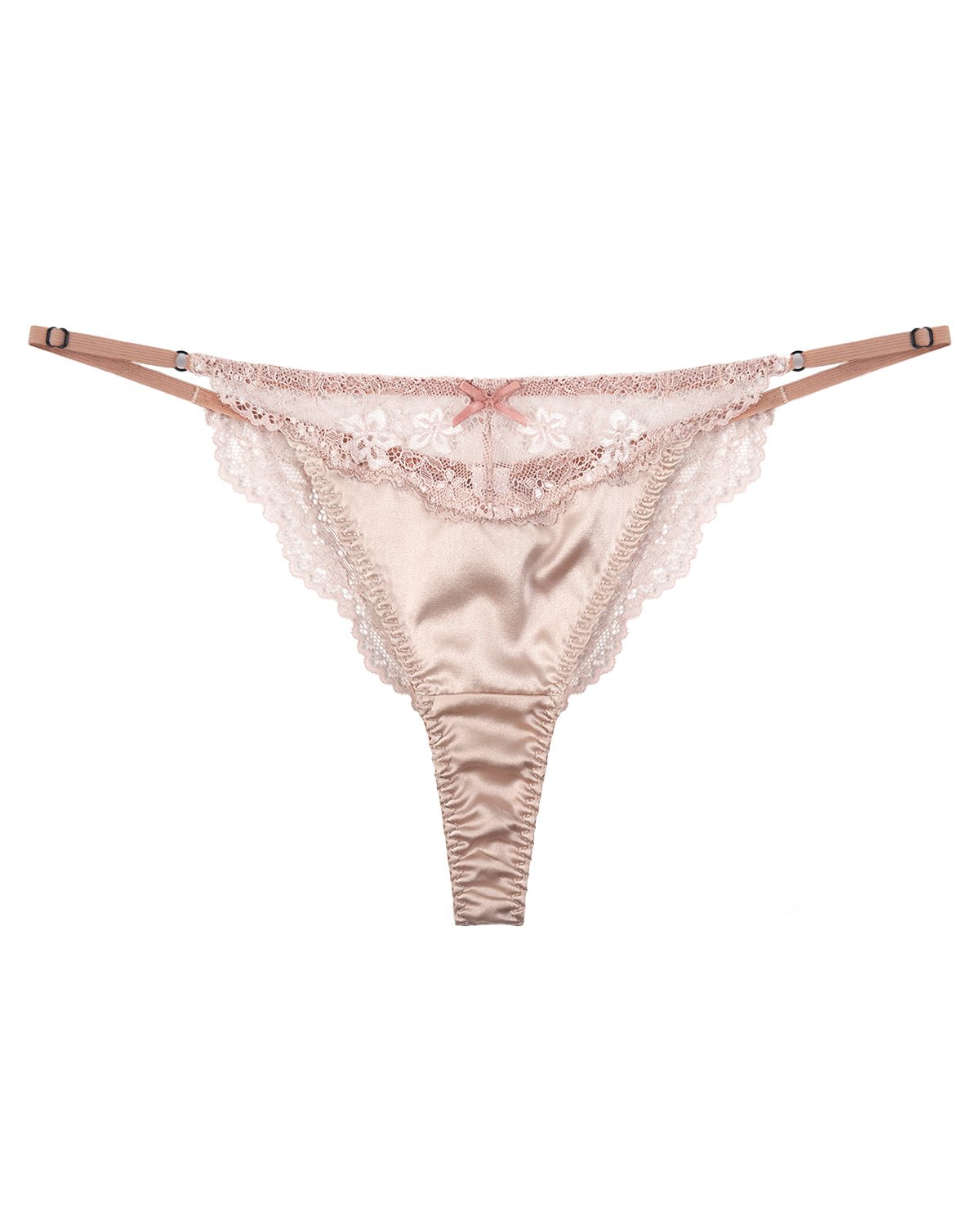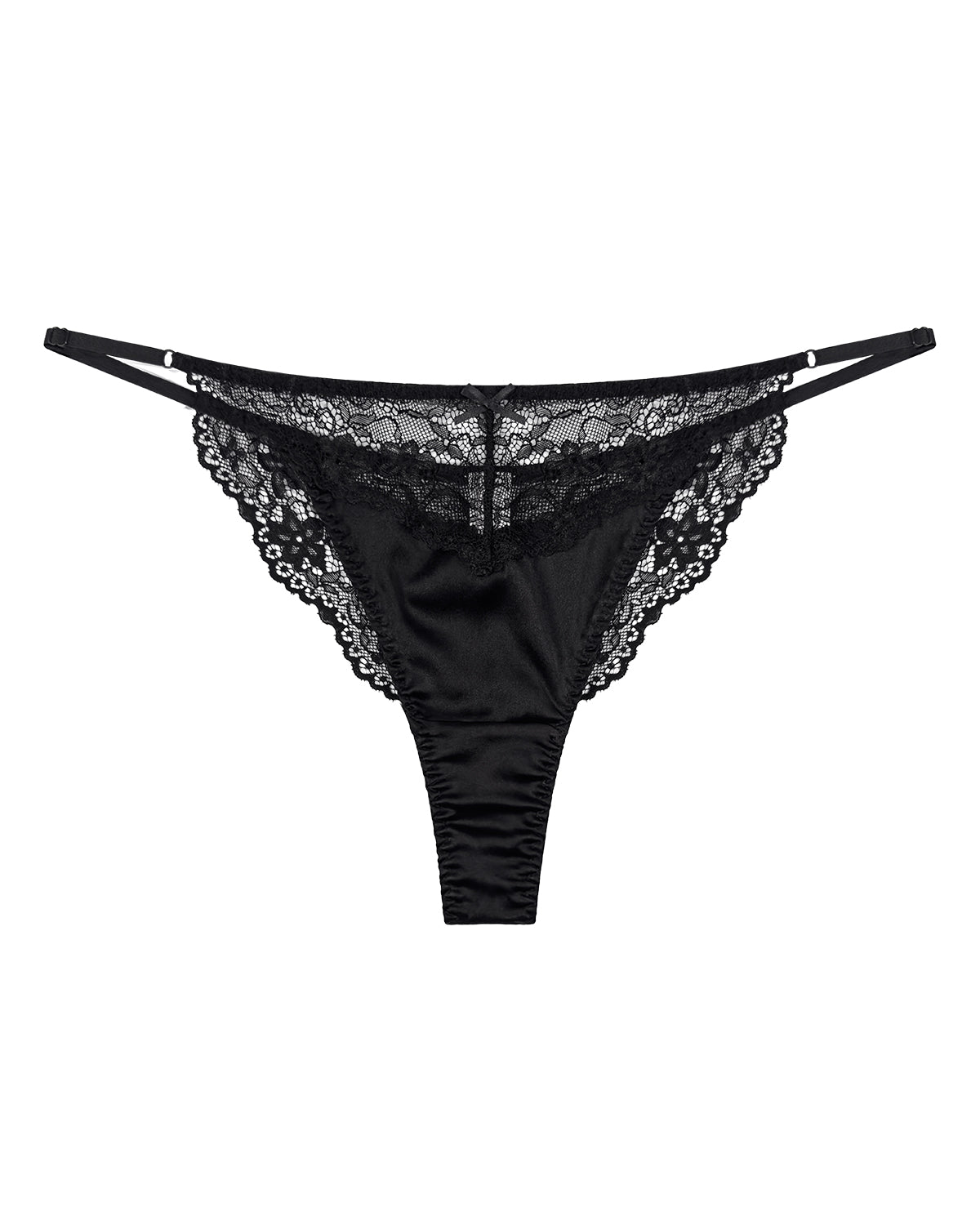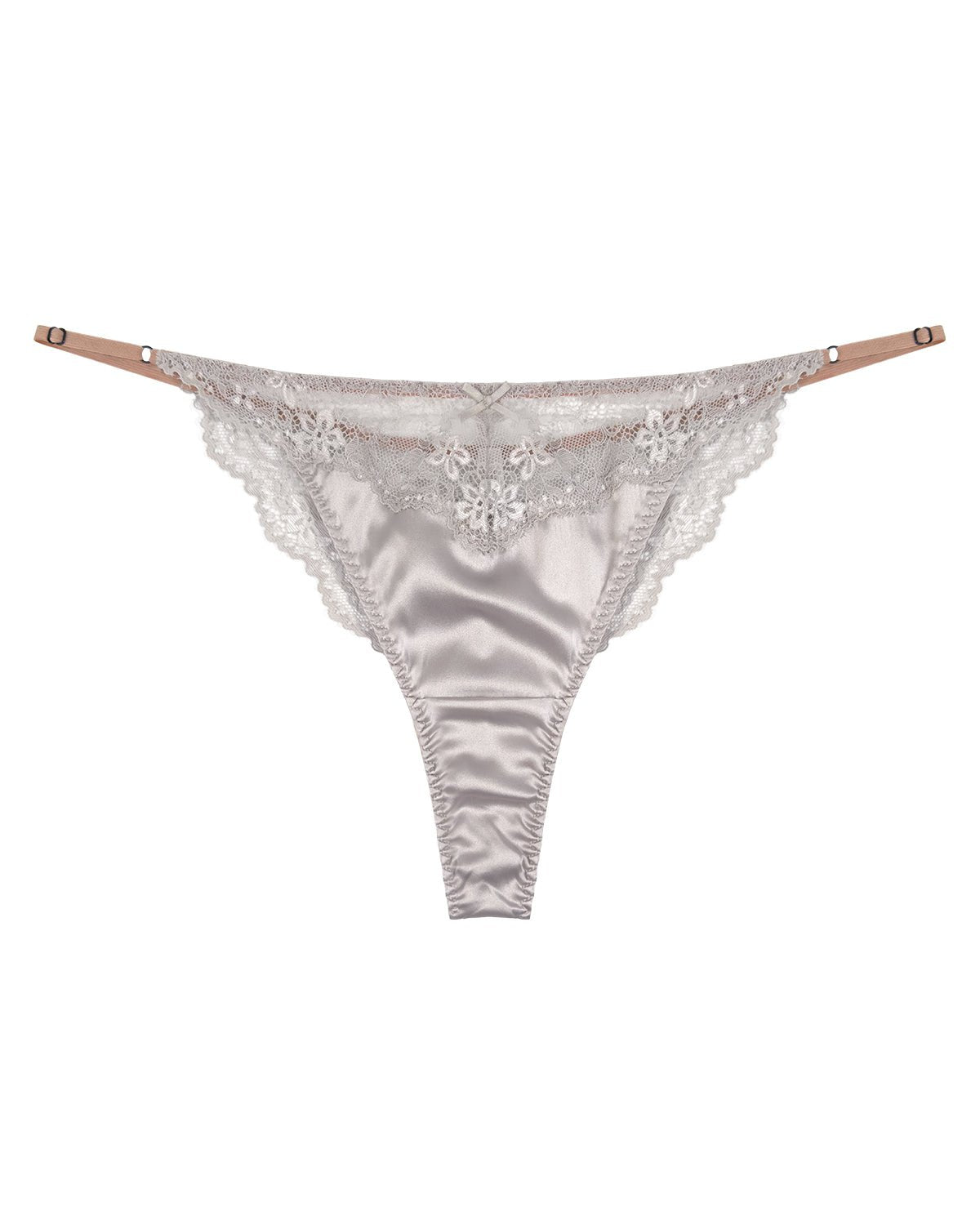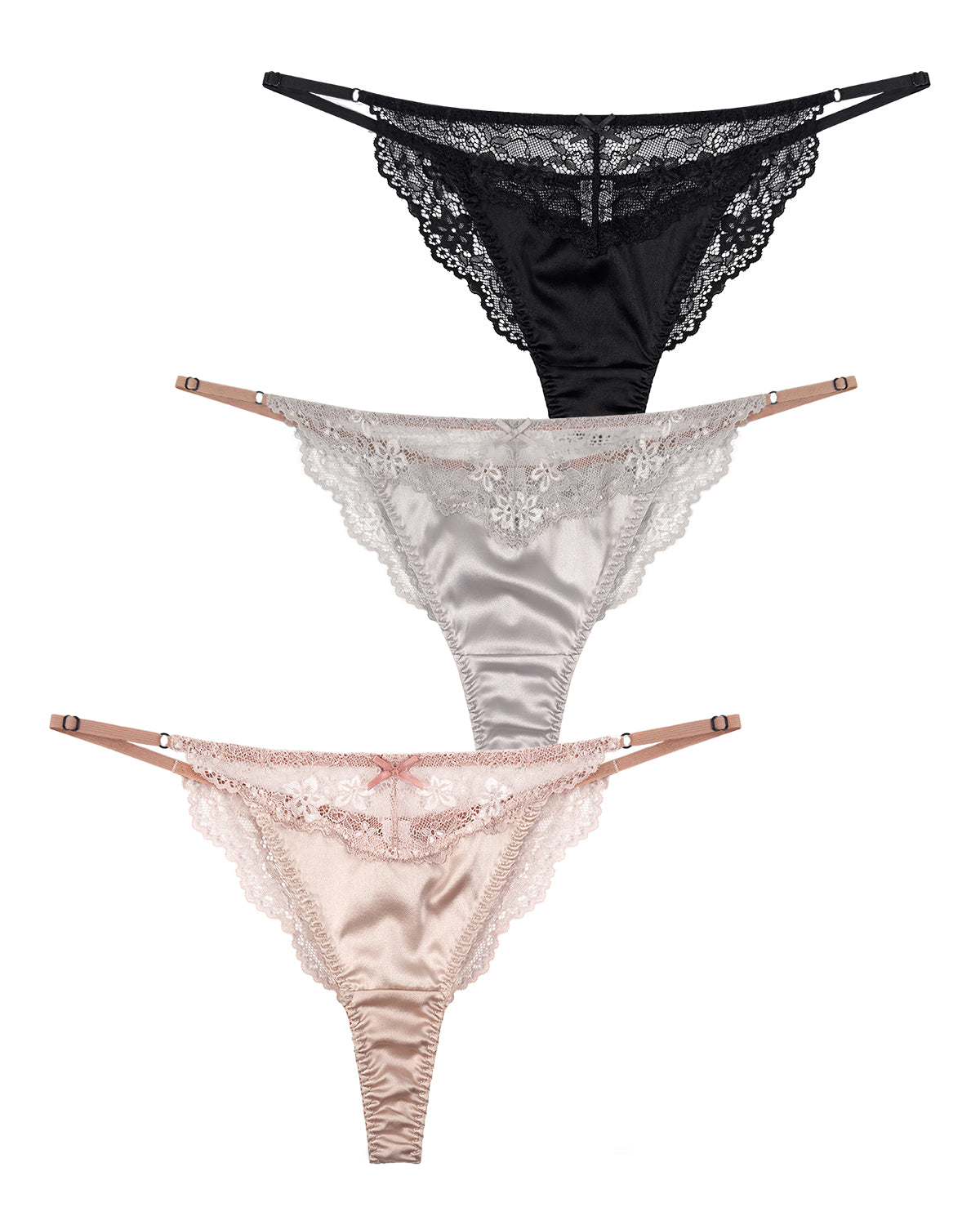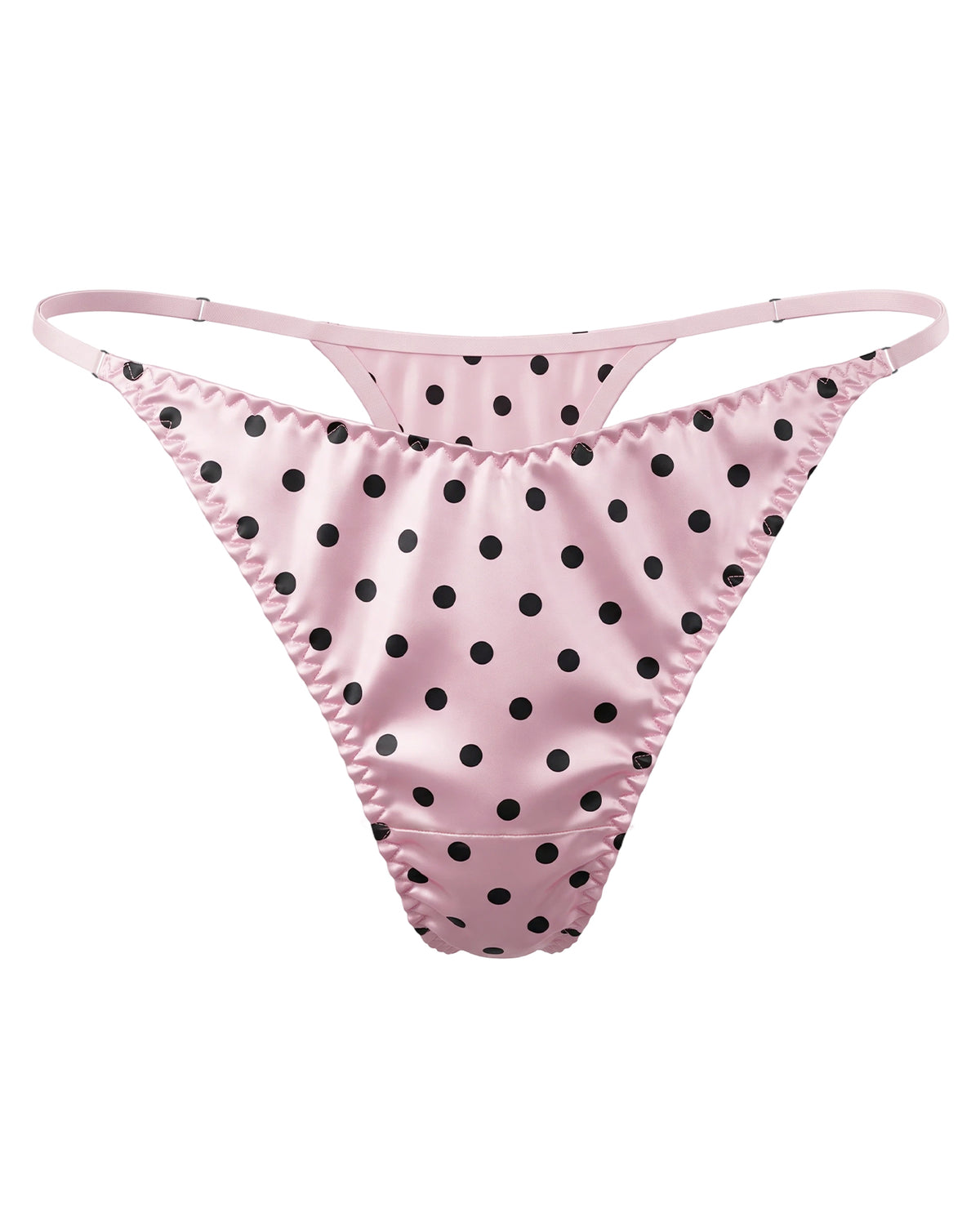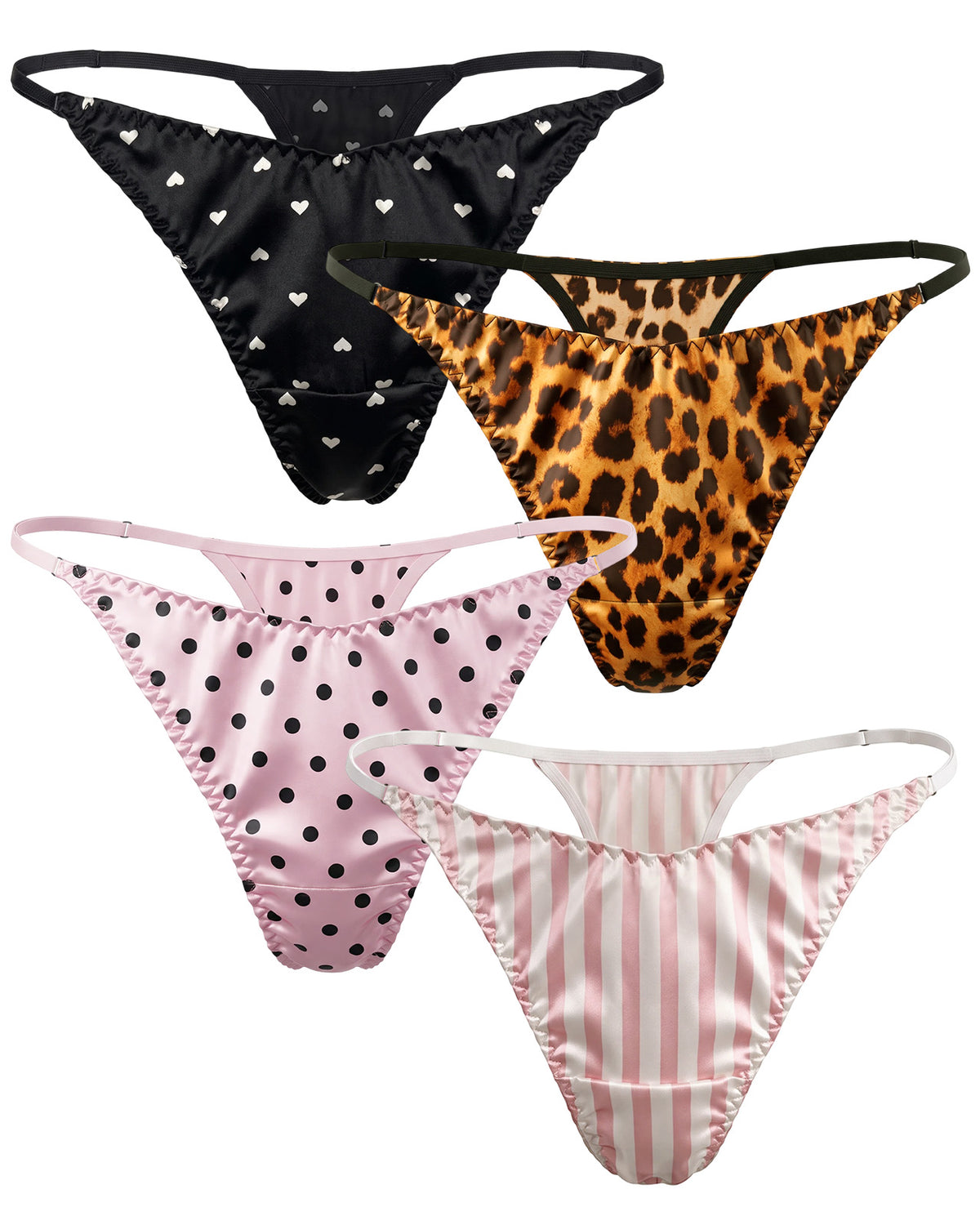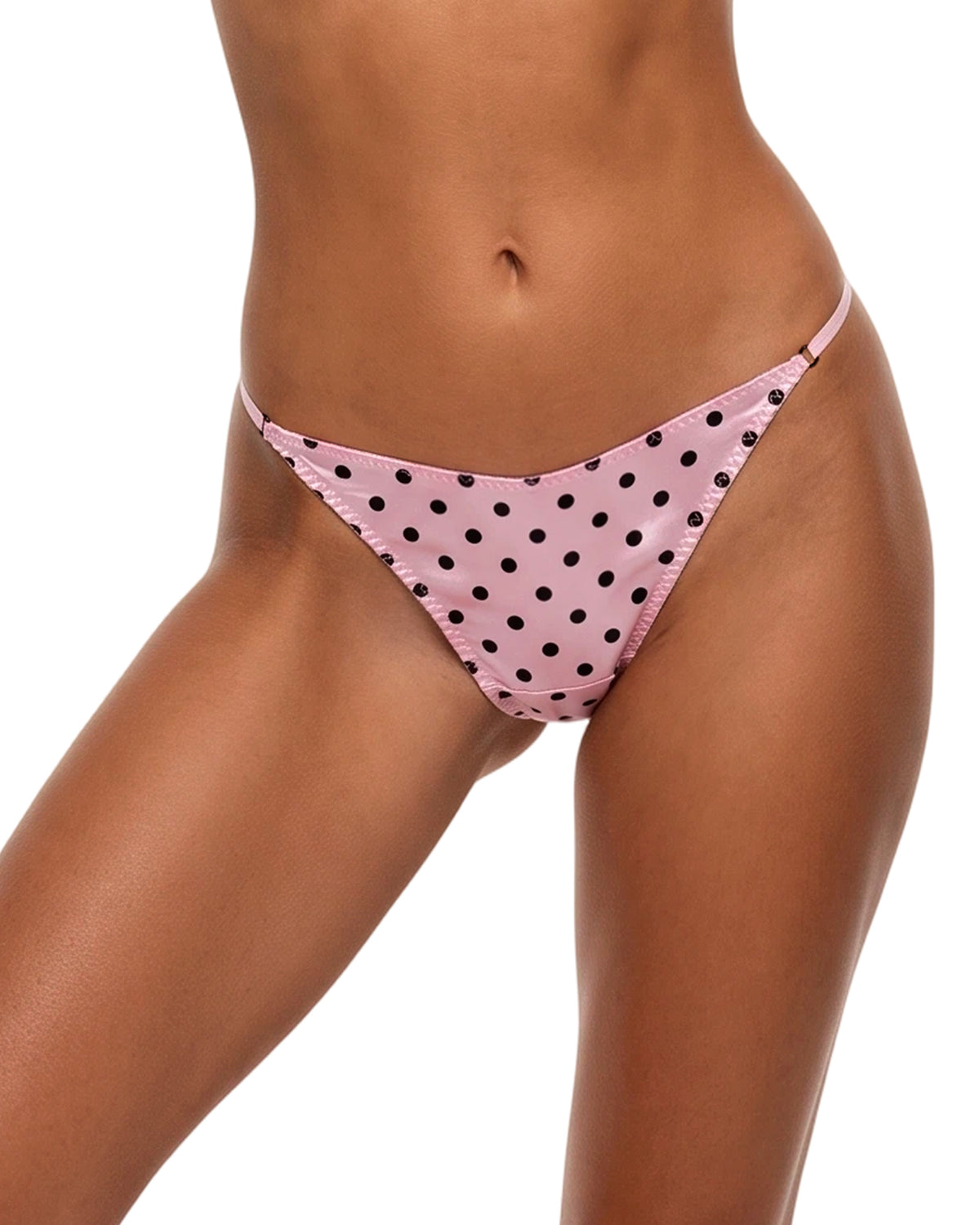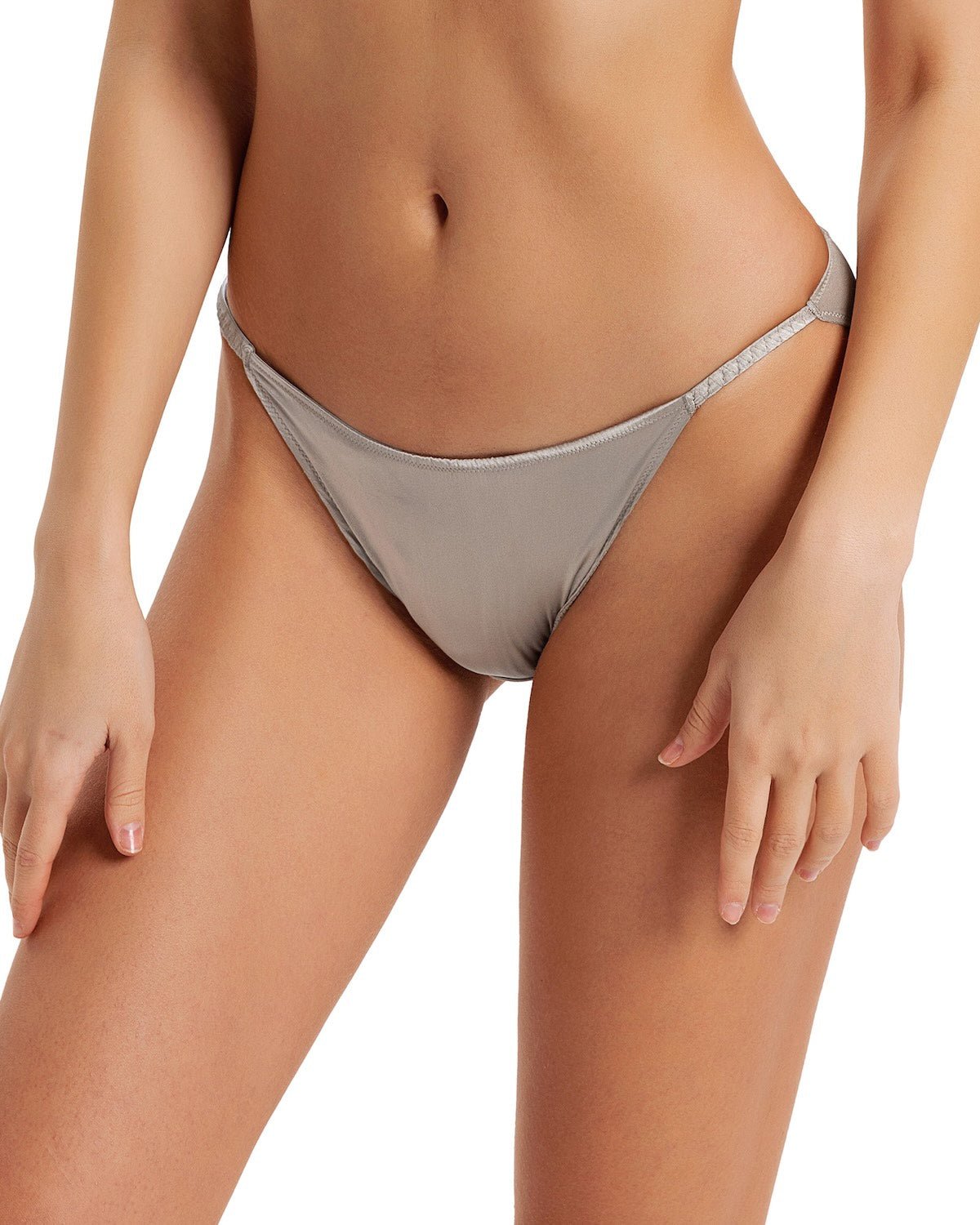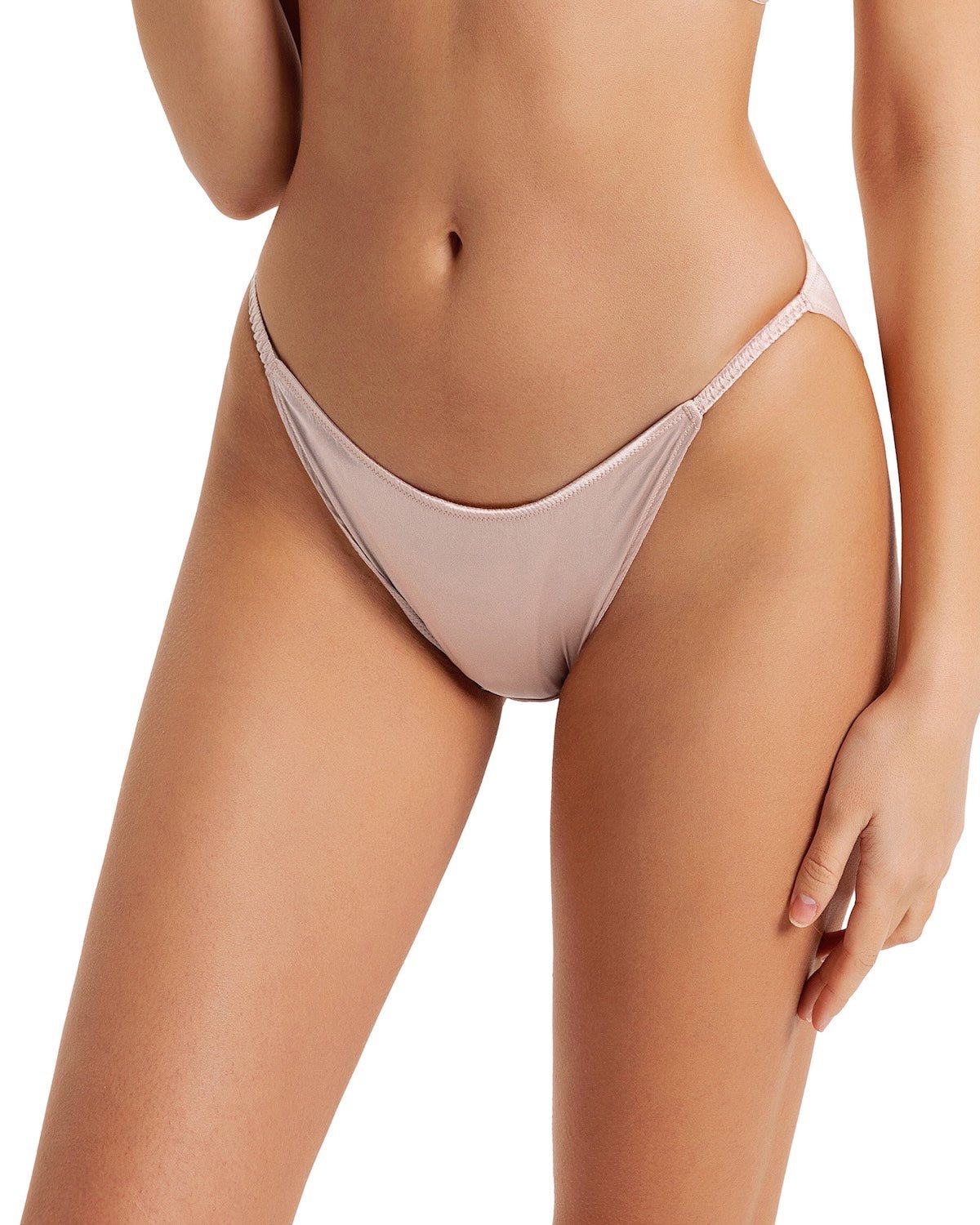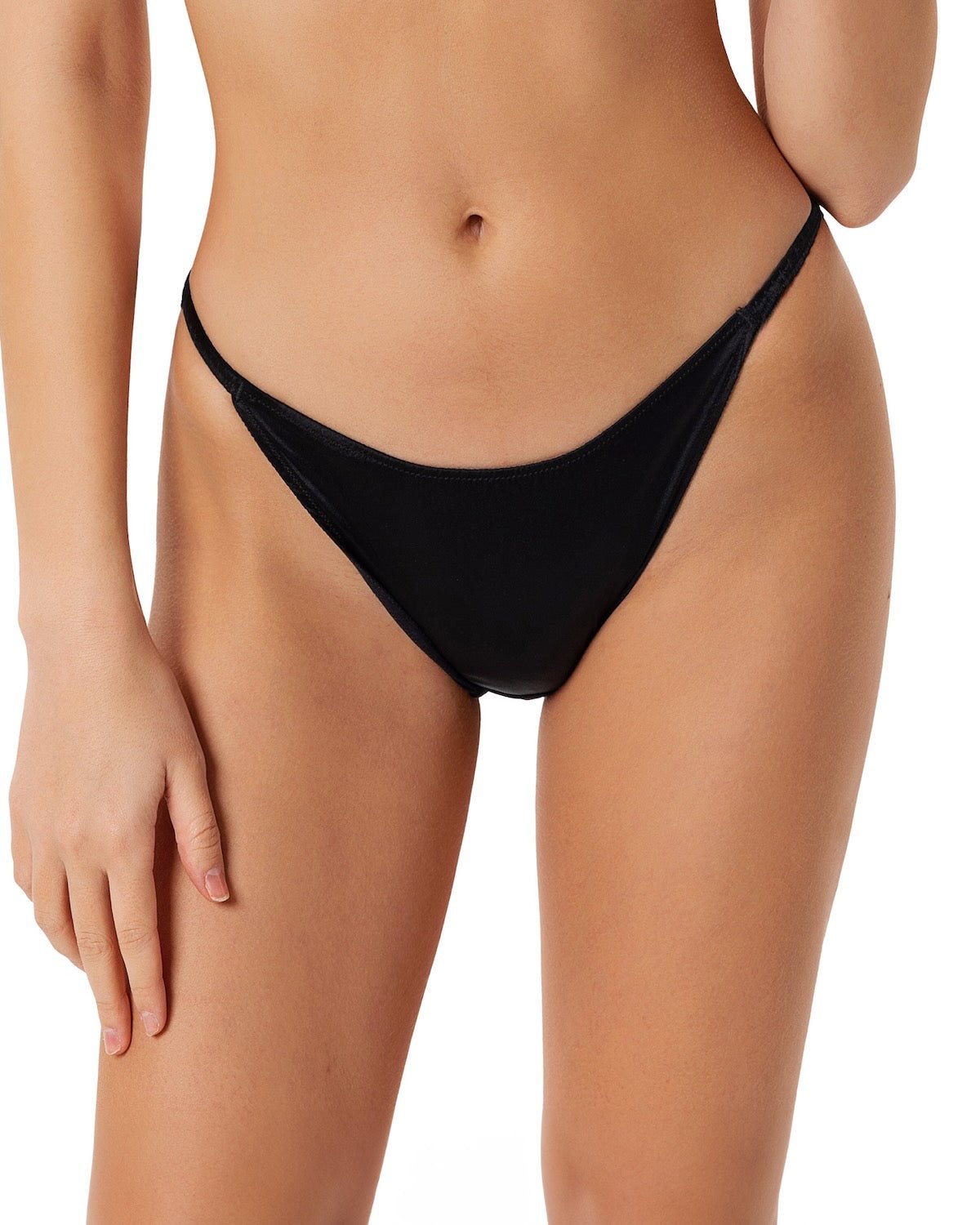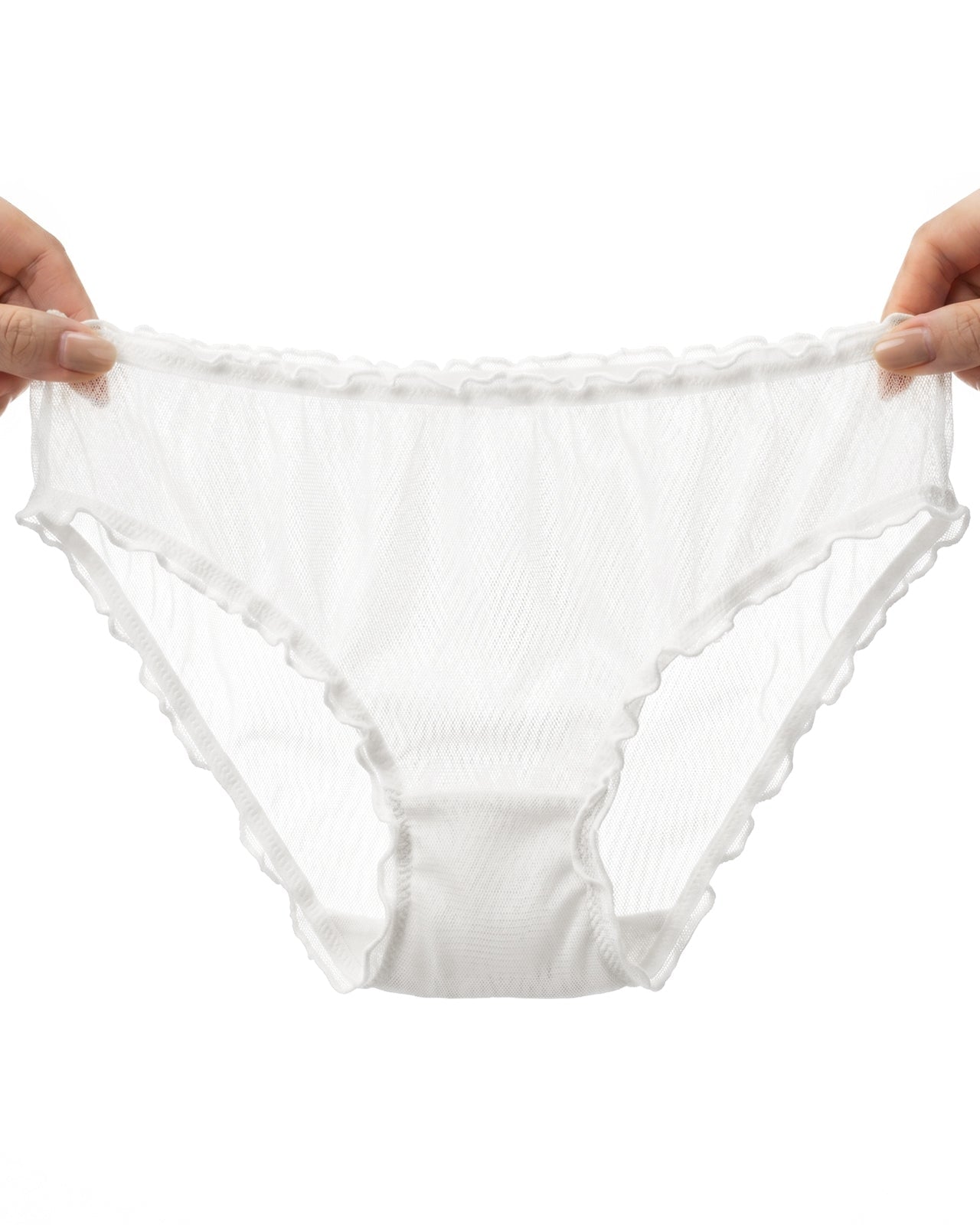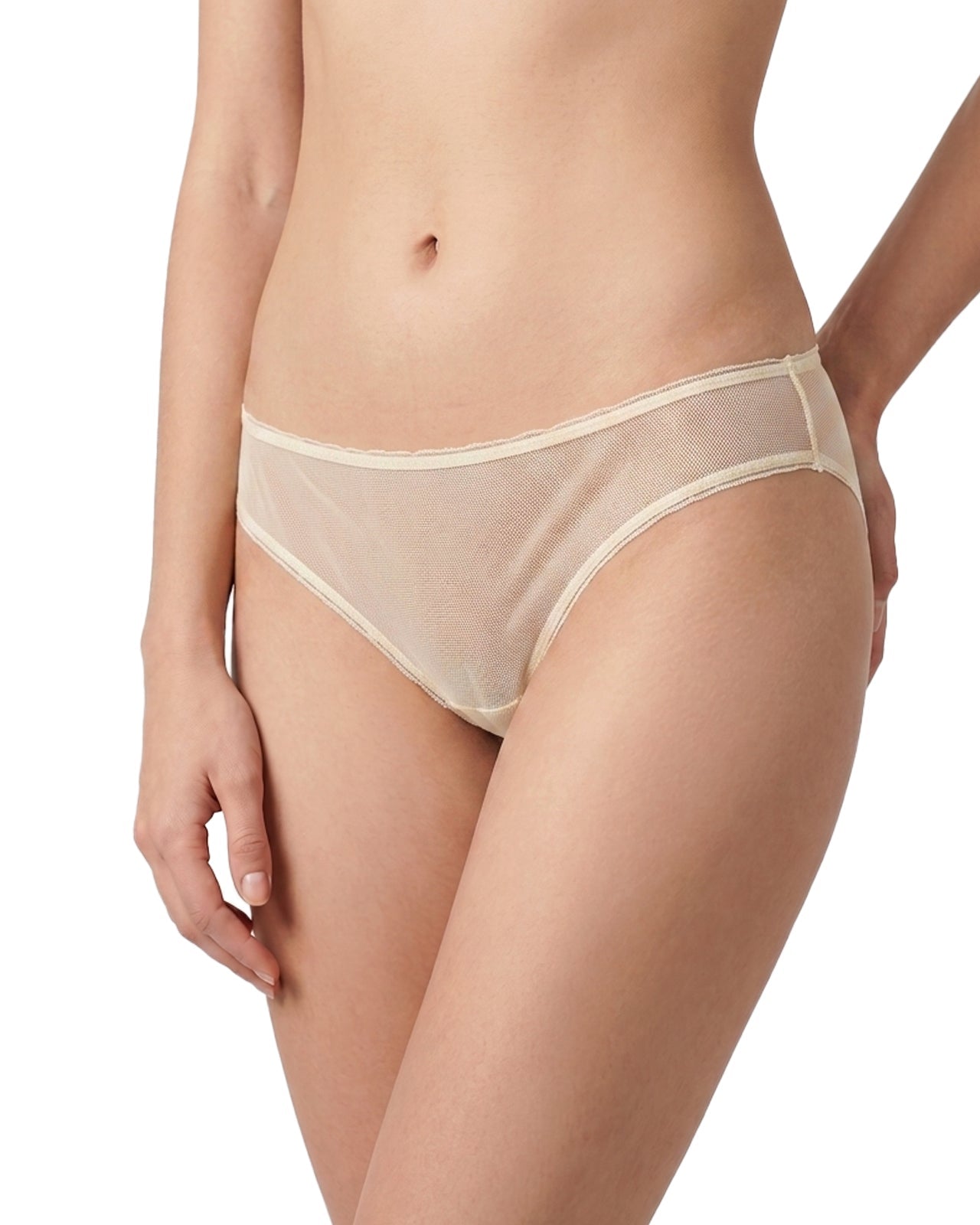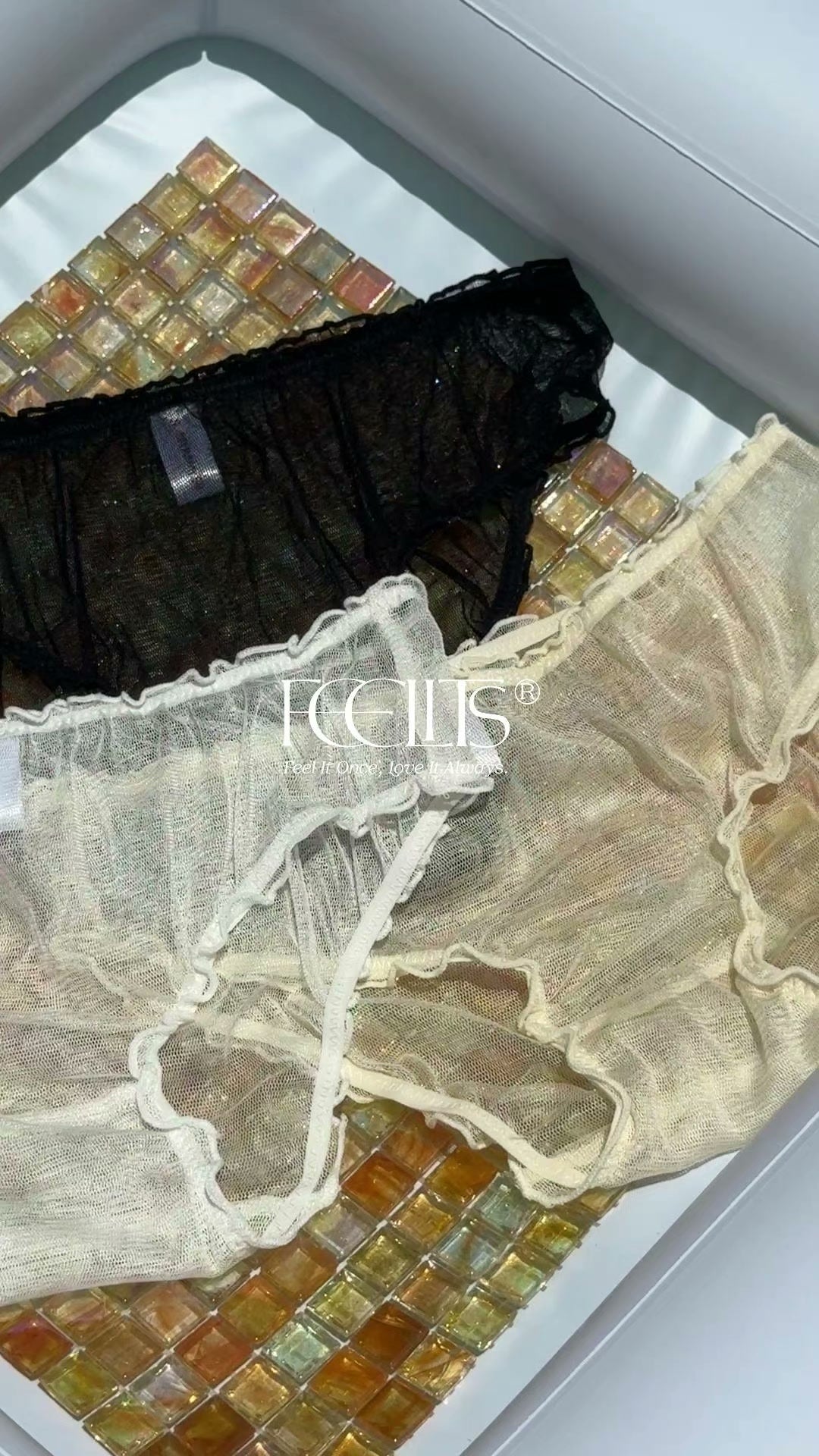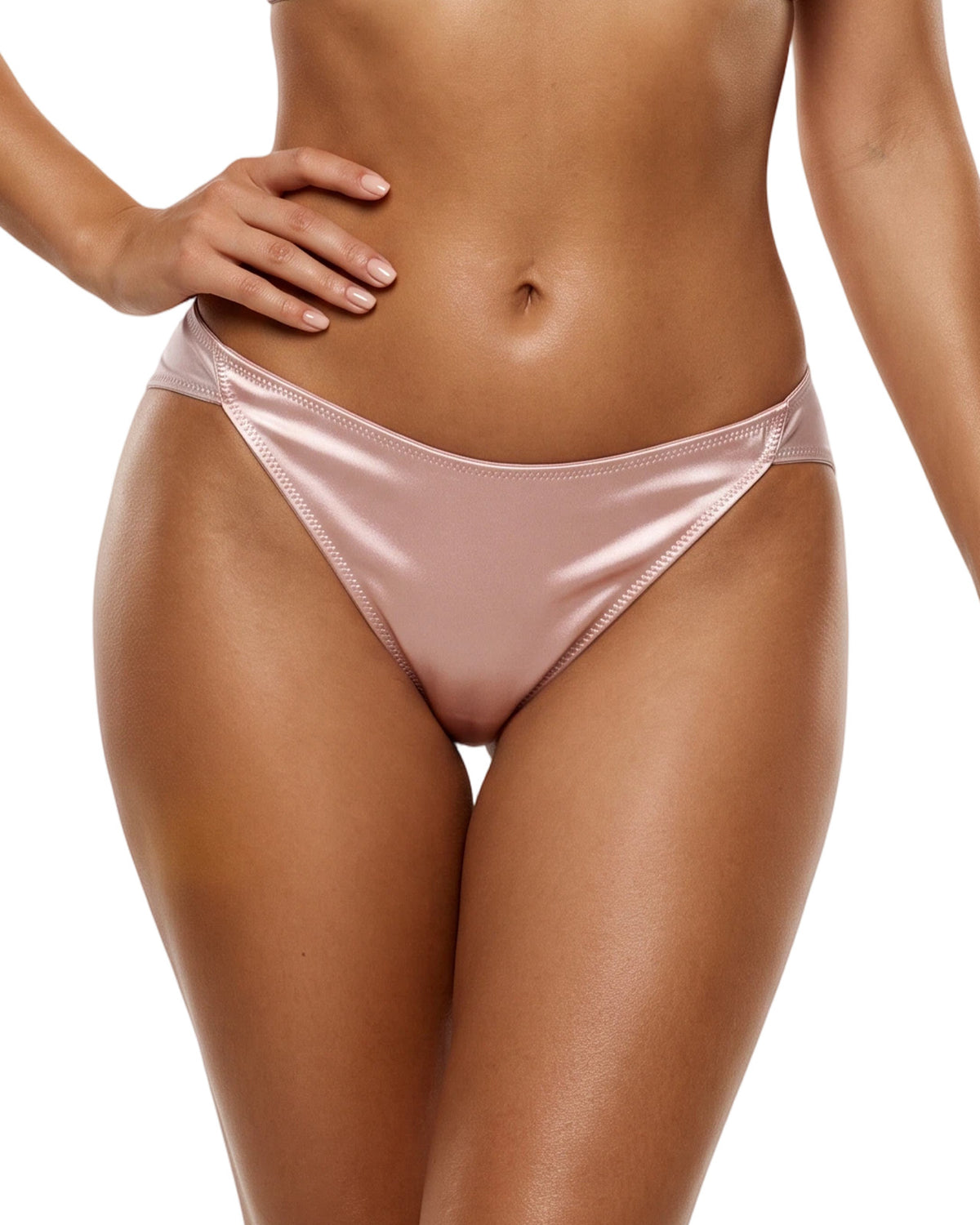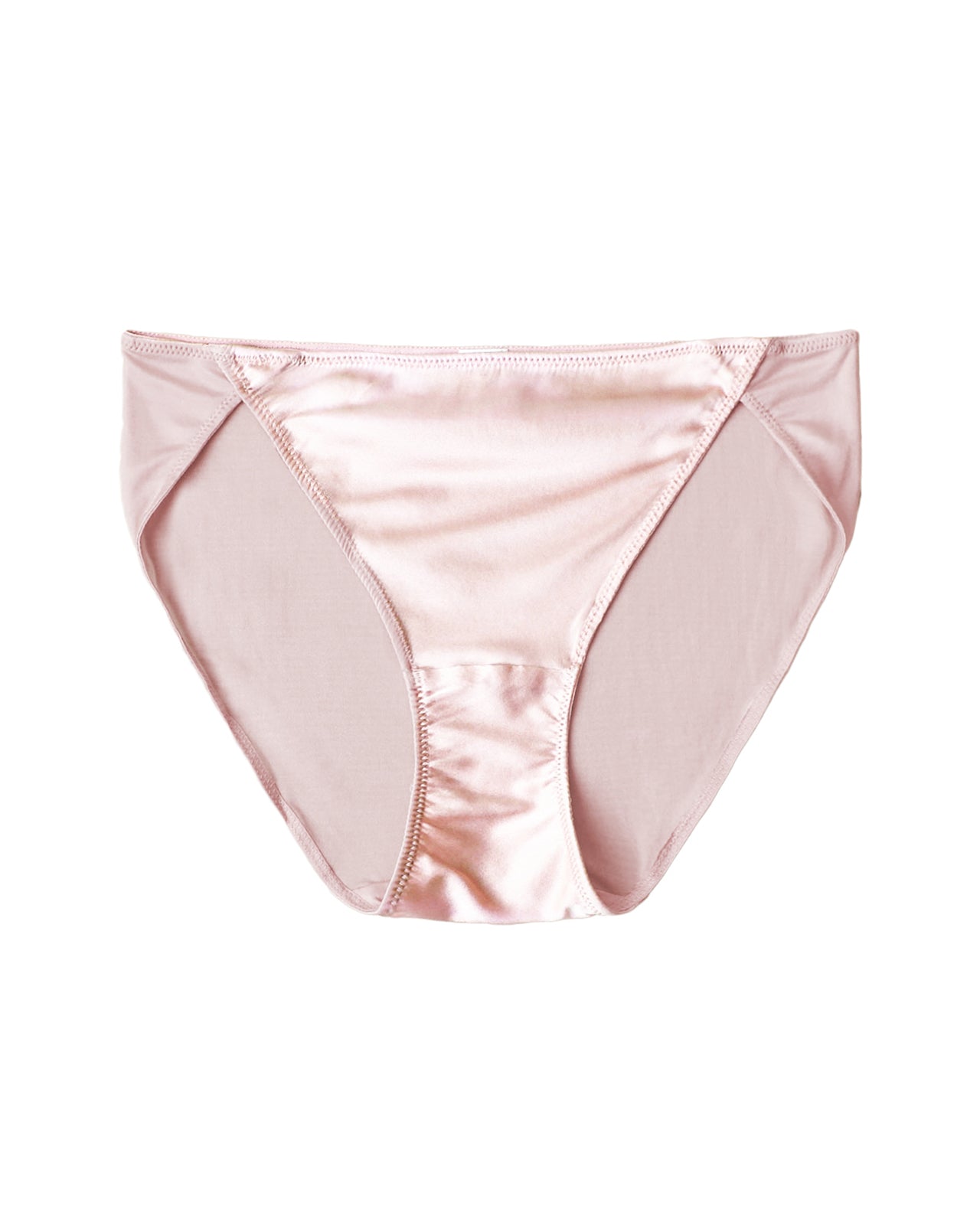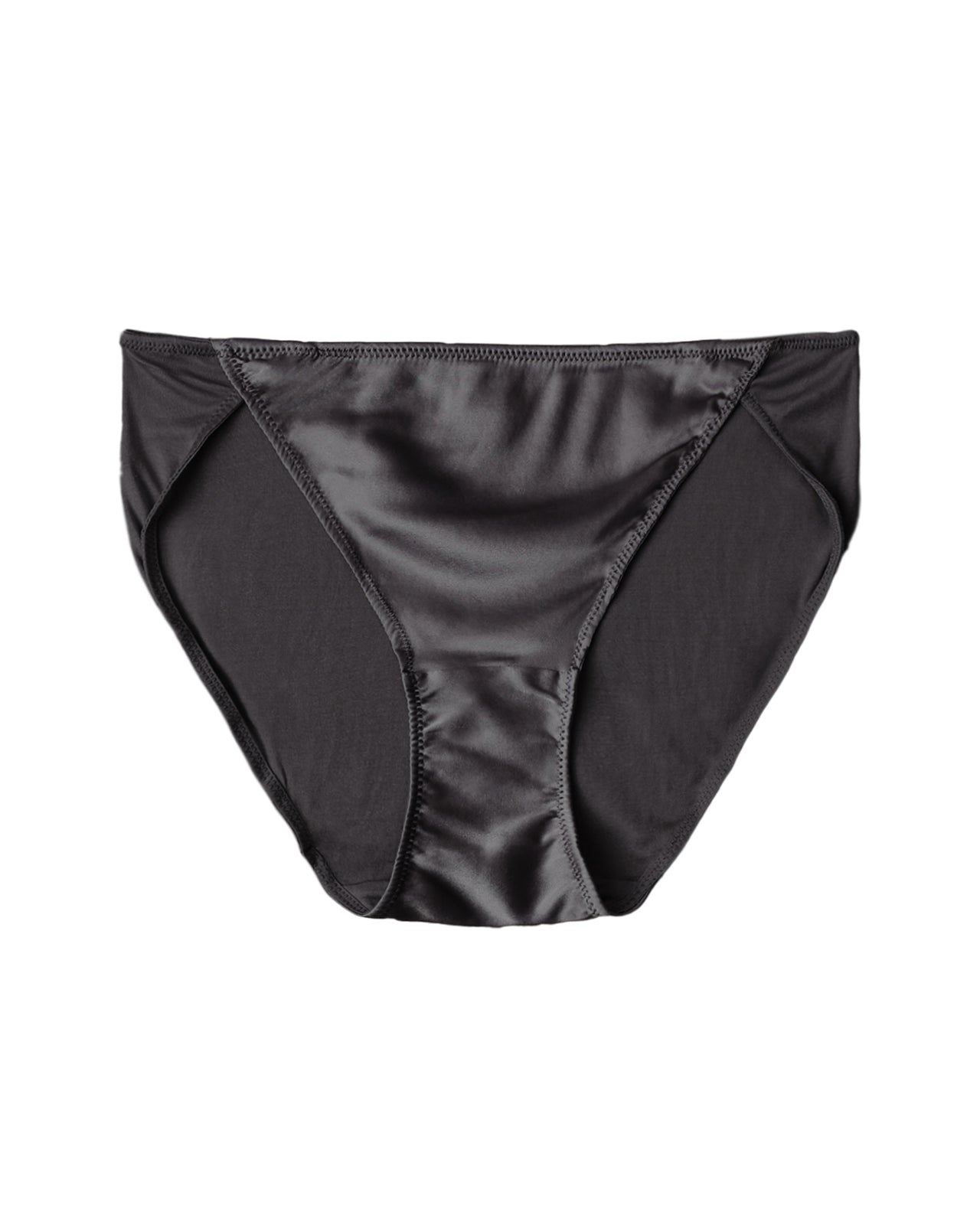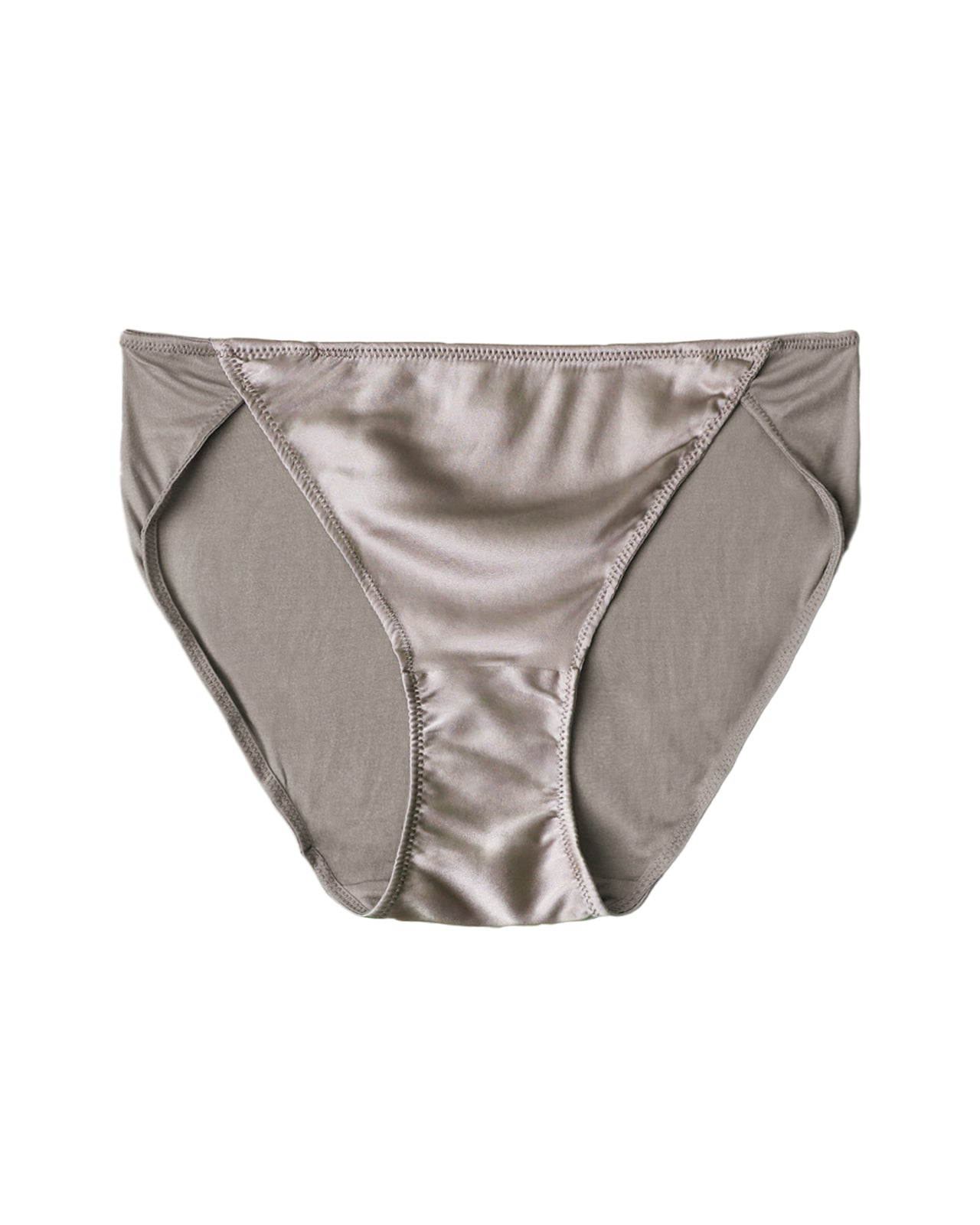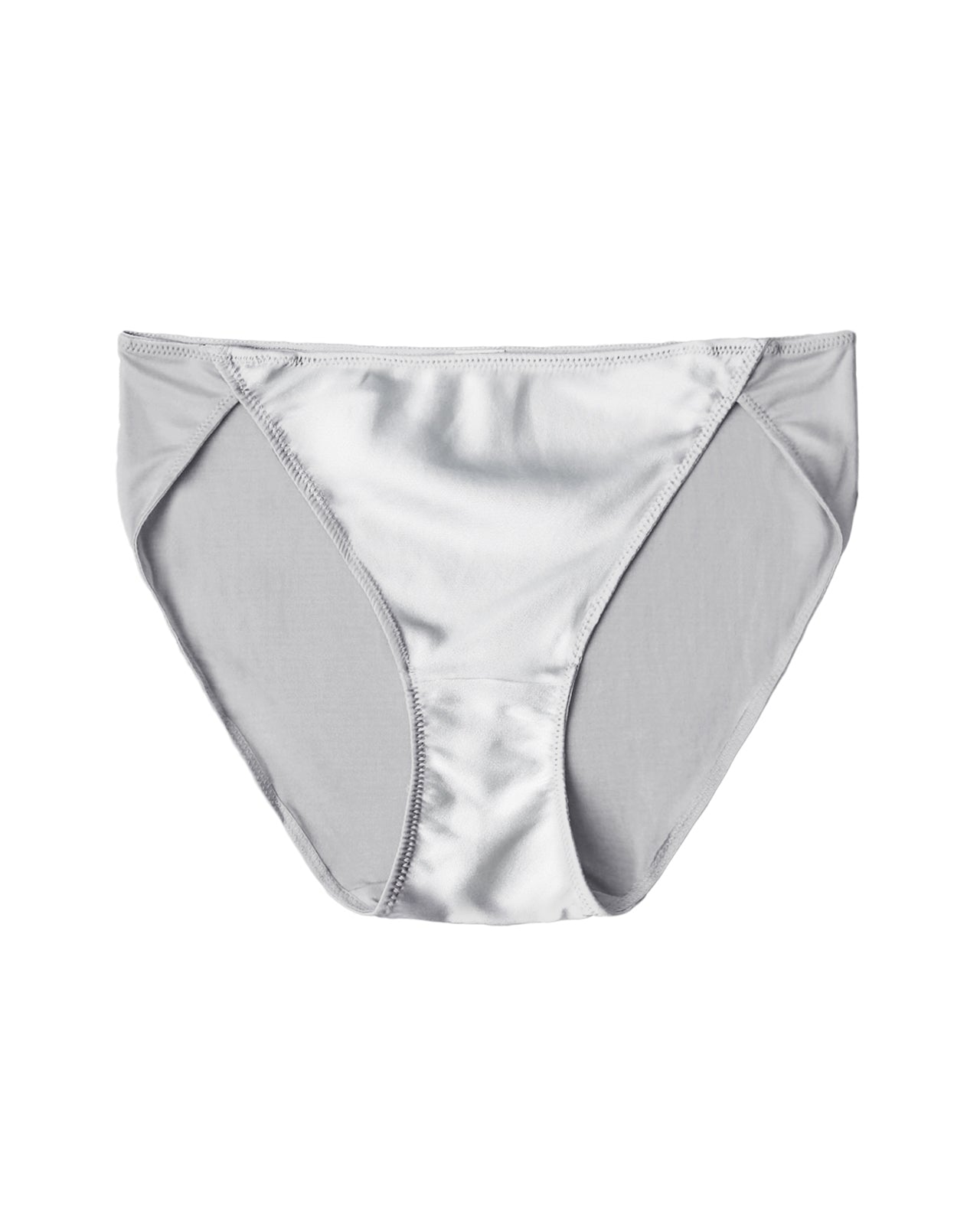

Silk and satin are often confused because both can look smooth, glossy, and soft. The key difference is simple: silk is a natural fiber, while satin is a type of weave or fabric finish.
Silk and satin are not the same thing. A product can be made from silk using a satin weave, but many satin products are made from polyester, nylon, rayon, or other fibers. That means the word “satin” does not always mean “real silk.”
Quick Answer: Is Satin the Same as Silk?
No. Silk is a natural fiber, while satin is a weave or finish. Satin can be made from silk, but it can also be made from synthetic or blended fibers. If you want real mulberry silk, always check the fiber composition instead of relying on the word “satin” alone.
What Is Silk?

Silk is a natural fiber produced by silkworms. Mulberry silk is widely valued for its smooth feel, fine texture, soft touch, and refined shine. It is commonly used in underwear, sleepwear, pillowcases, eye masks, scarves, and hair accessories.
Many shoppers choose silk because the surface feels smooth and less abrasive against the body. For close-to-skin products such as underwear, camisoles, pillowcases, and eye masks, the fiber content and construction can make a noticeable difference in how the product feels.
At FEELITS, our products are centered on Royal Mulberry Silk and everyday silk essentials. You can learn more about our material on the Our Material page.
What Is Satin?
Satin is not one specific material. It describes a weave or finish that creates a smooth, glossy surface on one side and a duller surface on the other.
Satin can be made from different fibers, including silk, polyester, nylon, rayon, or blends. This is why satin products can vary widely in price, breathability, durability, and comfort. A silk satin product and a polyester satin product may look similar at first glance, but they are not the same in fiber content or feel.
In other words, satin describes how a fabric is woven or finished, while silk describes what the fabric is made from.
Silk vs Satin Comparison Table
| Feature | Silk | Satin |
|---|---|---|
| What it is | A natural fiber | A weave or fabric finish |
| Made from | Silkworm cocoons | Can be silk, polyester, nylon, rayon, or blends |
| Surface | Smooth, soft, refined shine | Glossy surface, usually duller on the back |
| Breathability | Often lightweight and breathable | Depends on fiber content |
| Feel | Smooth and soft against the body | Smooth surface feel, but varies by fiber |
| Care | Usually delicate and needs gentle care | Depends on fiber content |
| Price | Usually higher | Varies widely; synthetic satin is often lower cost |
| Best for | Intimates, sleepwear, pillowcases, eye masks, scarves, and hair accessories | Glossy fashion pieces, decorative fabrics, and lower-cost alternatives |
Which Is Better for Underwear?
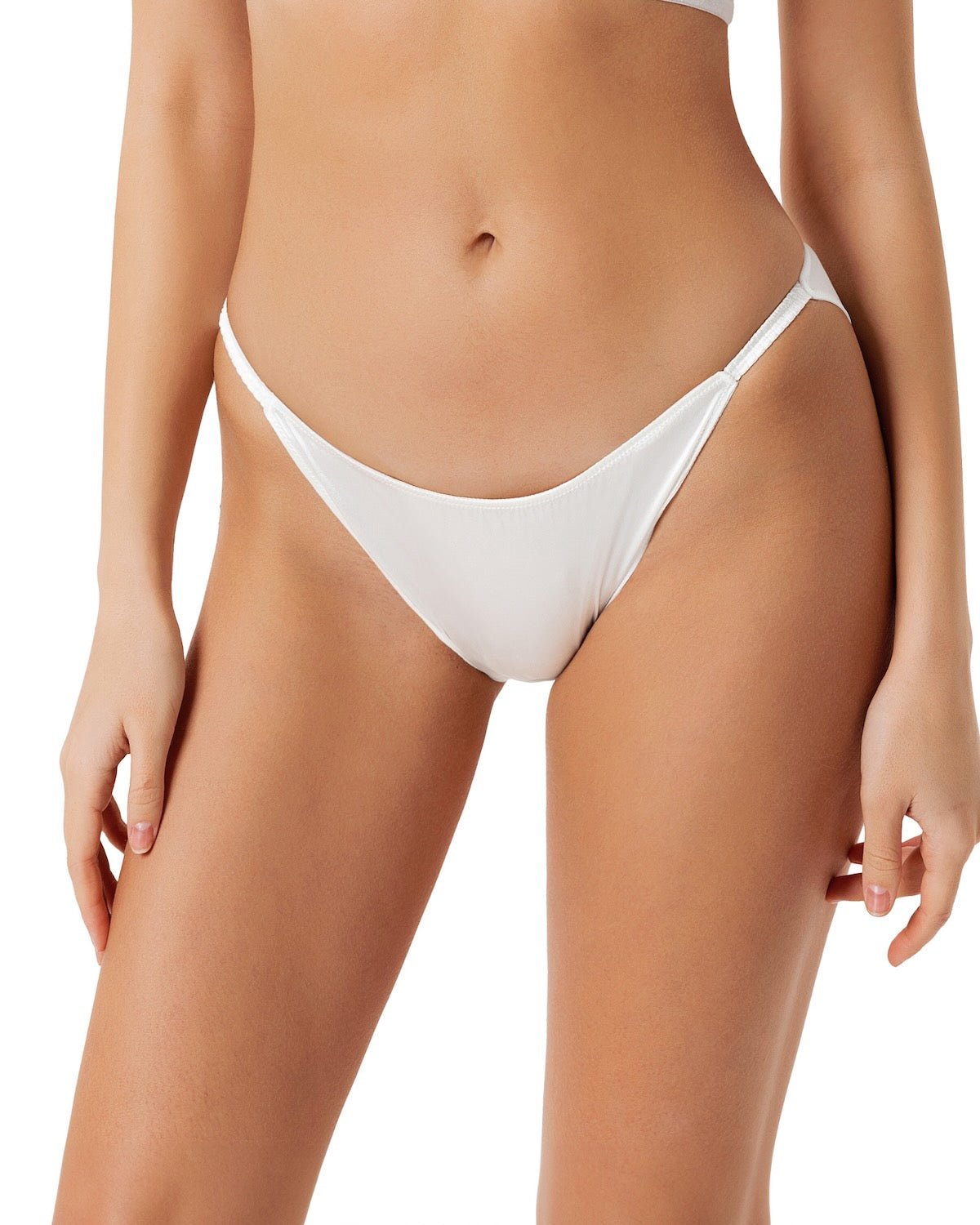
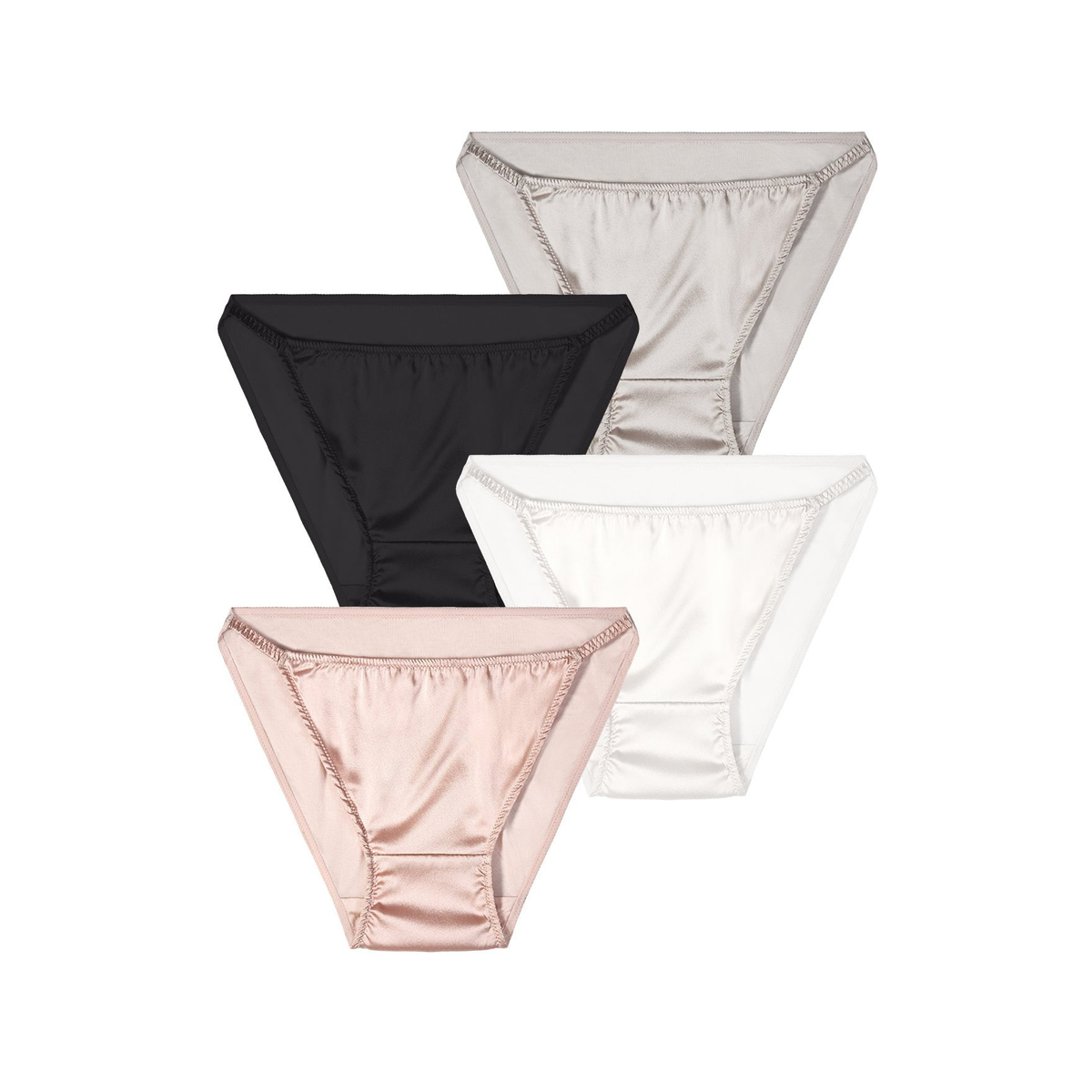
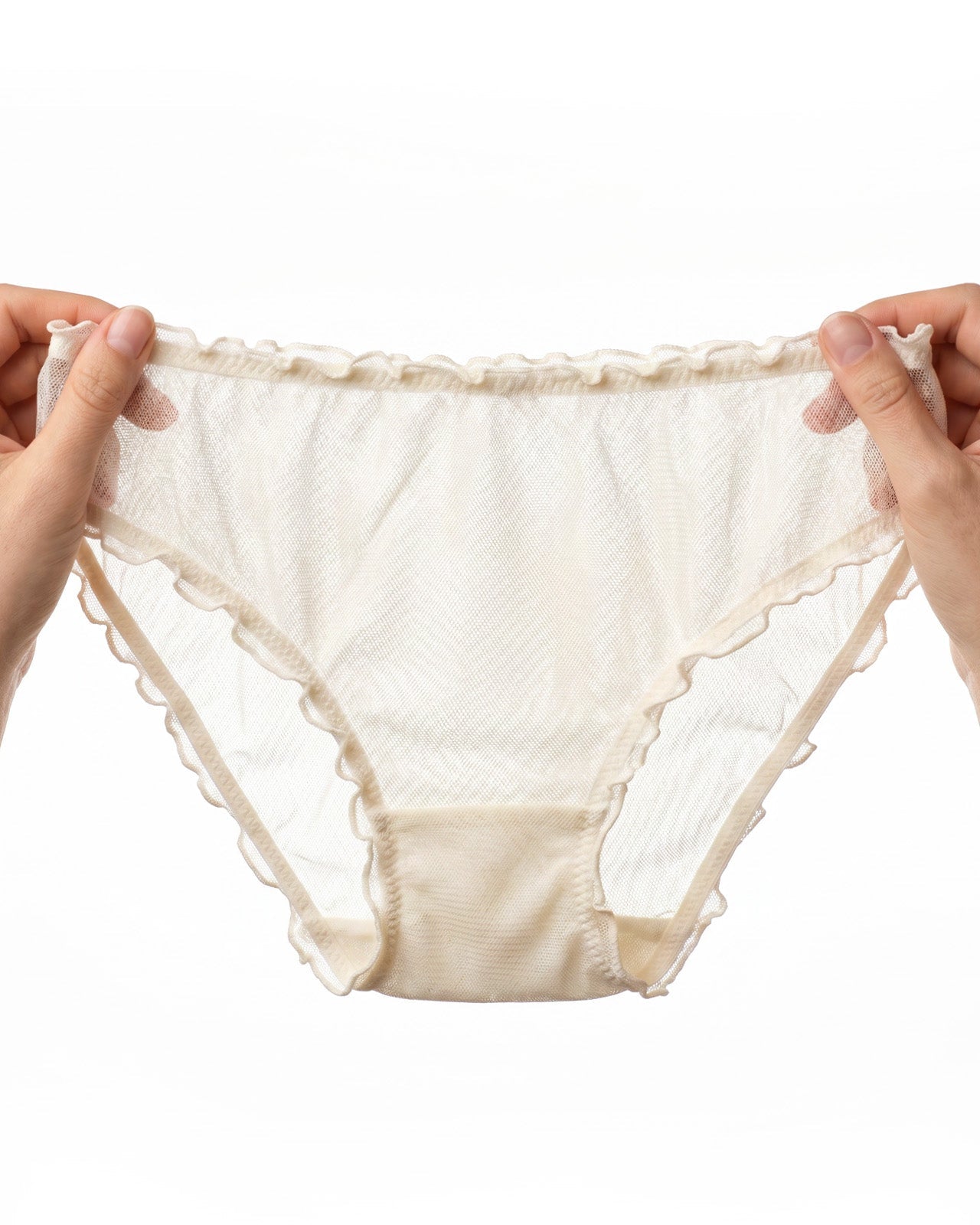
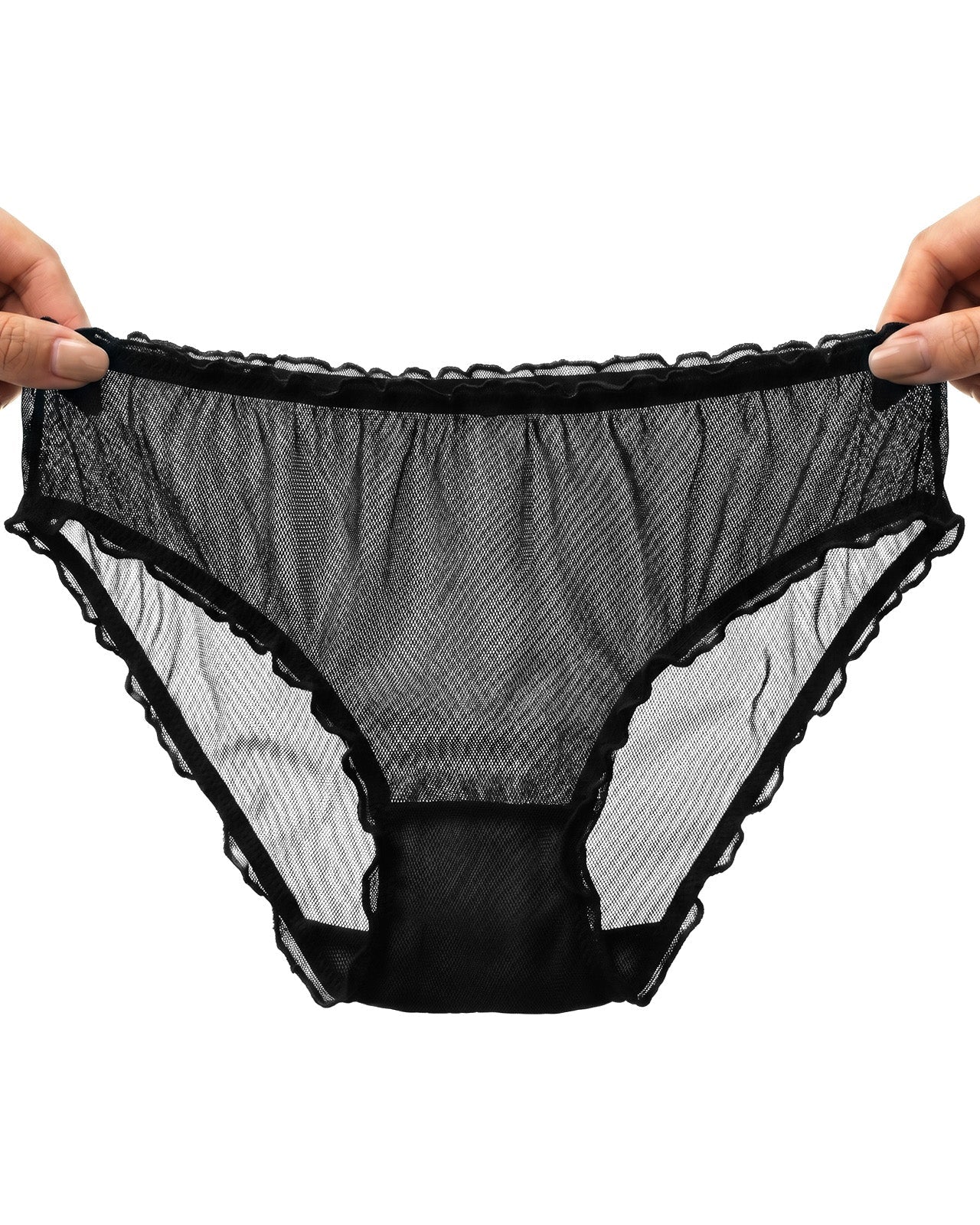
For underwear, real silk is often chosen for its smooth close-to-skin feel, lightweight touch, and breathable comfort. Satin can look similar, but the comfort depends heavily on the fiber content.
A polyester satin panty and a mulberry silk panty are not the same, even if both look glossy. If you want real silk underwear, check whether the product is made from mulberry silk and review the product page for fit, rise, coverage, gusset details, and material composition.
Start with our mulberry silk panties collection, or choose by fit: silk thongs and V-strings, silk bikini panties, and silk brief panties.
Which Is Better for Pillowcases and Beauty Sleep?
Silk pillowcases are often chosen for their smooth surface feel and refined texture. Satin pillowcases may also feel smooth, but they can be made from different fibers. A satin pillowcase made from polyester and a real mulberry silk pillowcase are not the same material.
If your goal is beauty sleep, hair comfort, or a smoother sleep surface, check whether the product is real silk, silk satin, or synthetic satin. You can explore FEELITS silk pillowcases and silk eye masks for sleep-focused silk essentials.
How to Check Whether a Product Is Real Silk
The easiest way to tell whether a product is real silk is to check the fiber composition and product details. Do not rely on the word “satin” alone.
- Check whether the product says silk, mulberry silk, or silk satin.
- Look for the fiber composition, such as 100% mulberry silk or silk blend.
- Check momme information if listed.
- Read the care label and product description.
- Check whether the brand explains the material clearly.
For more guidance, visit our Our Material page or read our silk grades guide.
FAQ About Silk vs Satin
Is satin always synthetic?
No. Satin is a weave or finish, not a fiber. It can be made from silk or synthetic fibers such as polyester, nylon, rayon, or blends.
Is silk satin real silk?
It can be, if the fabric is made from silk using a satin weave. Always check the fiber composition to confirm whether it is real silk.
Why is silk usually more expensive than satin?
Silk is a natural fiber with a more specialized production process. Many satin fabrics are made from lower-cost fibers, which can make them less expensive.
Is satin as breathable as silk?
It depends on the fiber. Synthetic satin may feel smooth but may not feel as breathable as real silk. Always check the material composition.
How can I choose between silk and satin?
Check the fiber content first. If you want real mulberry silk, look for clear material information instead of relying only on the word “satin.”
Final Thoughts
Silk and satin can look similar, but they are not the same. Silk is a natural fiber, while satin is a weave or finish that can be made from many different fibers.
If you are shopping for real silk, start with the material composition, then check the product details, construction, care instructions, and intended use. FEELITS focuses on mulberry silk essentials designed for smooth everyday comfort, from silk underwear to sleep accessories.
Explore FEELITS Royal Mulberry Silk essentials to find silk pieces made for daily wear, rest, and beauty-sleep routines.