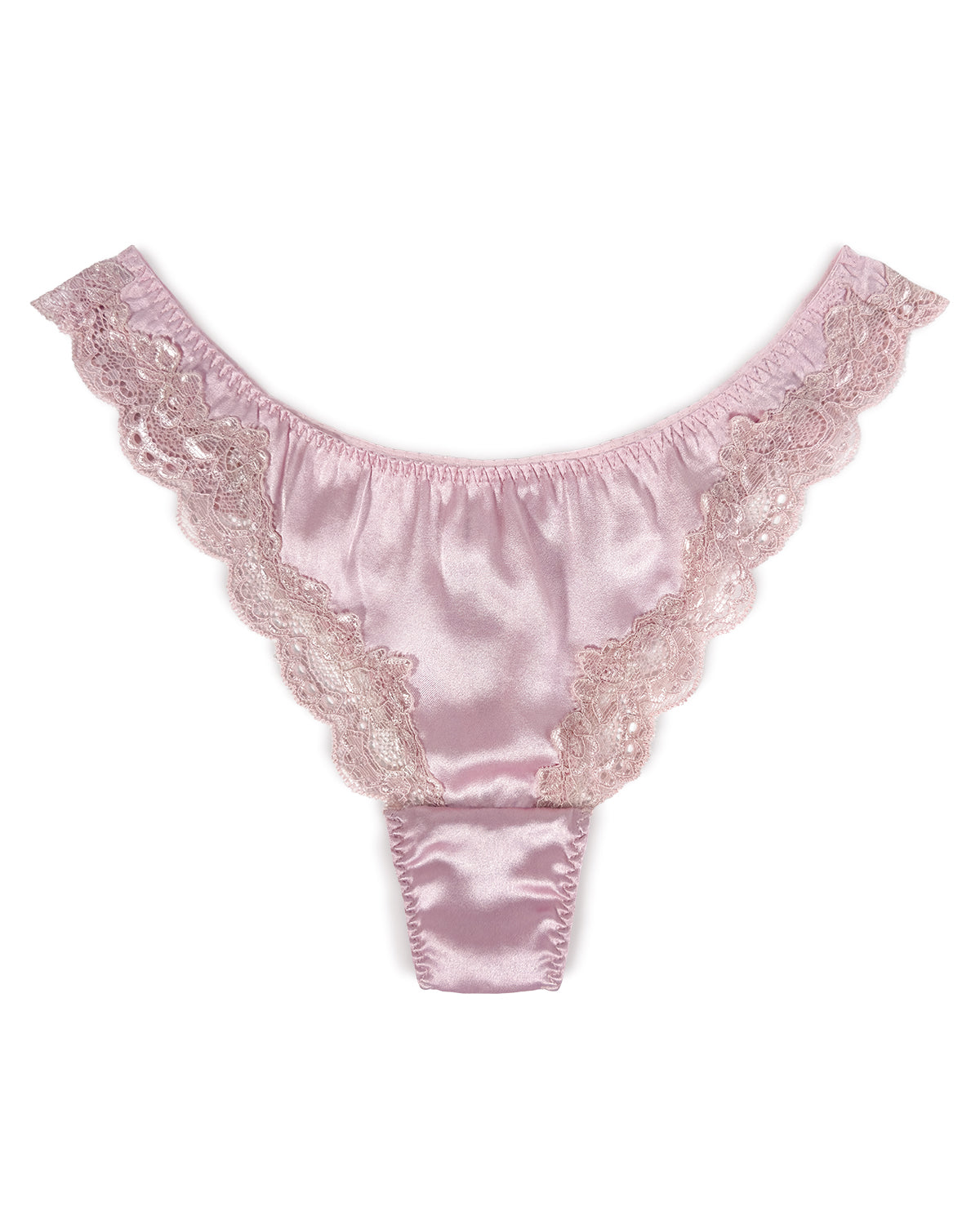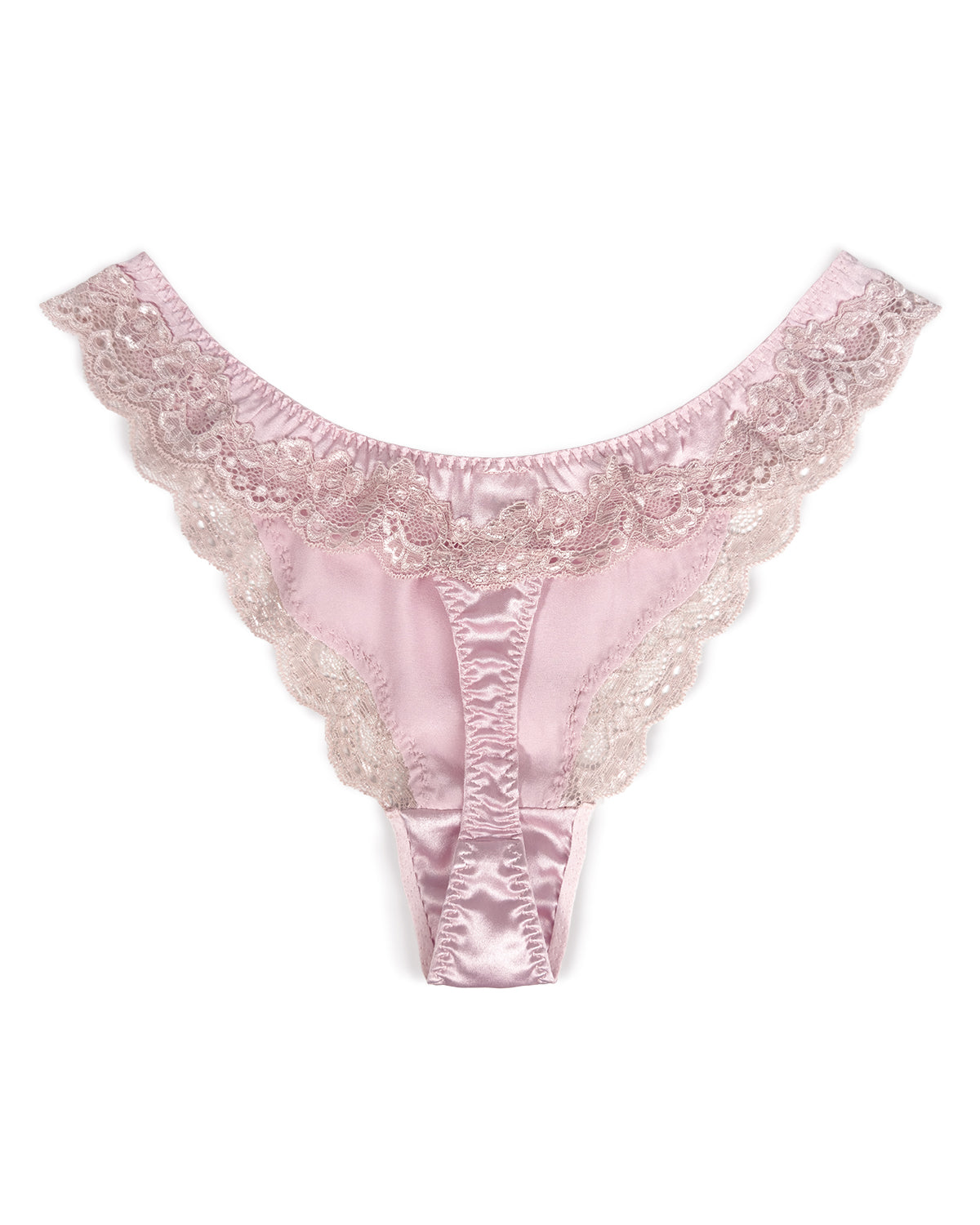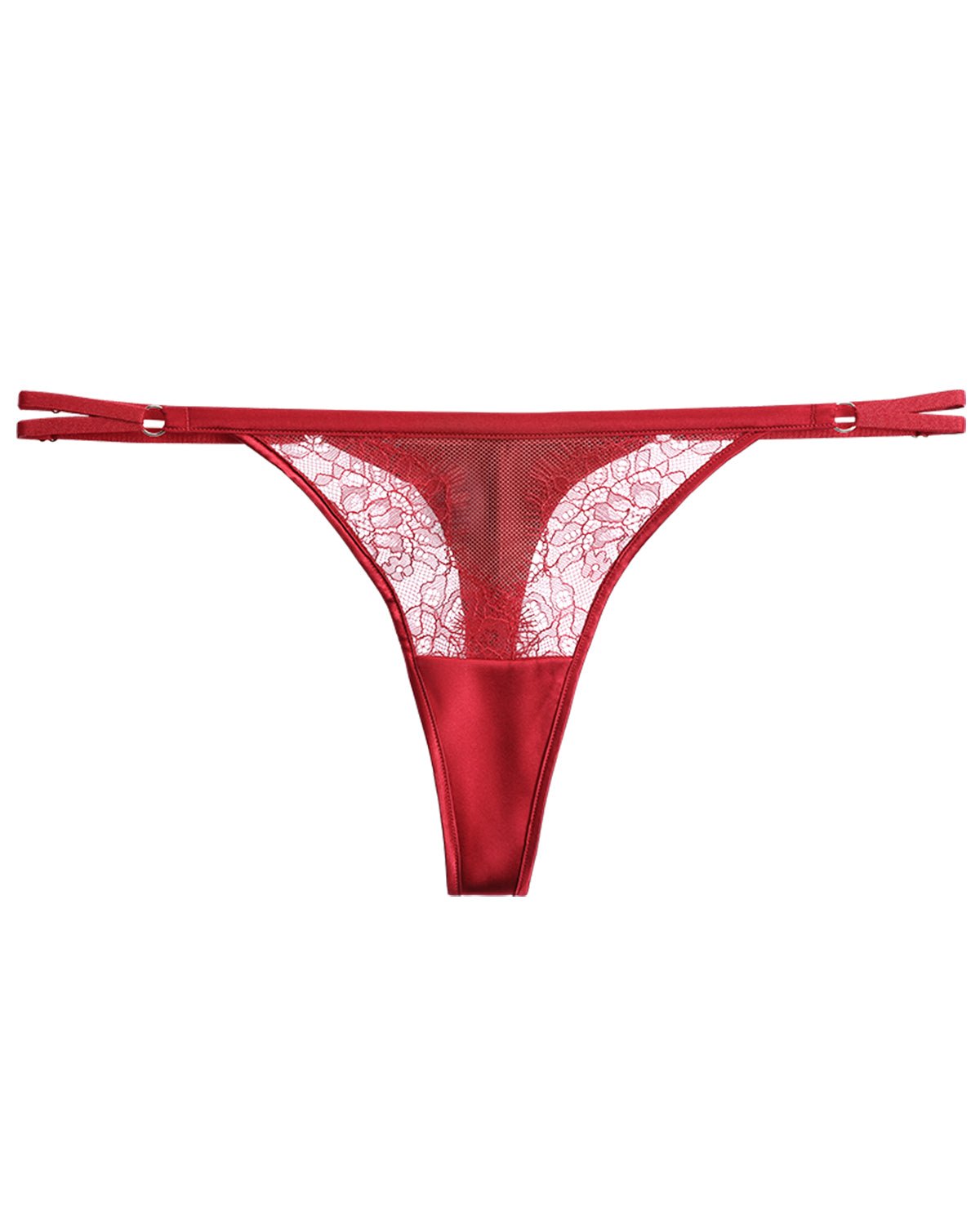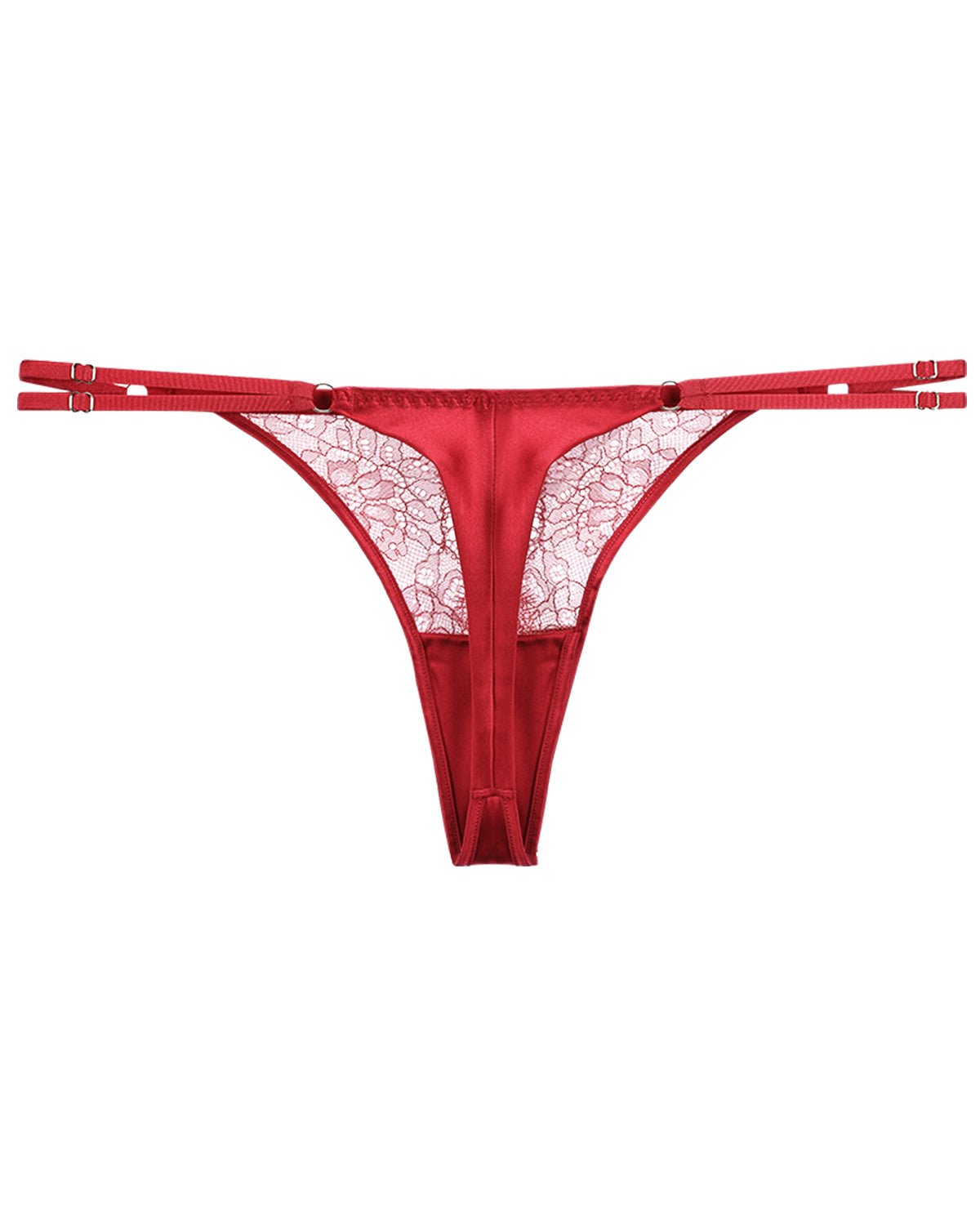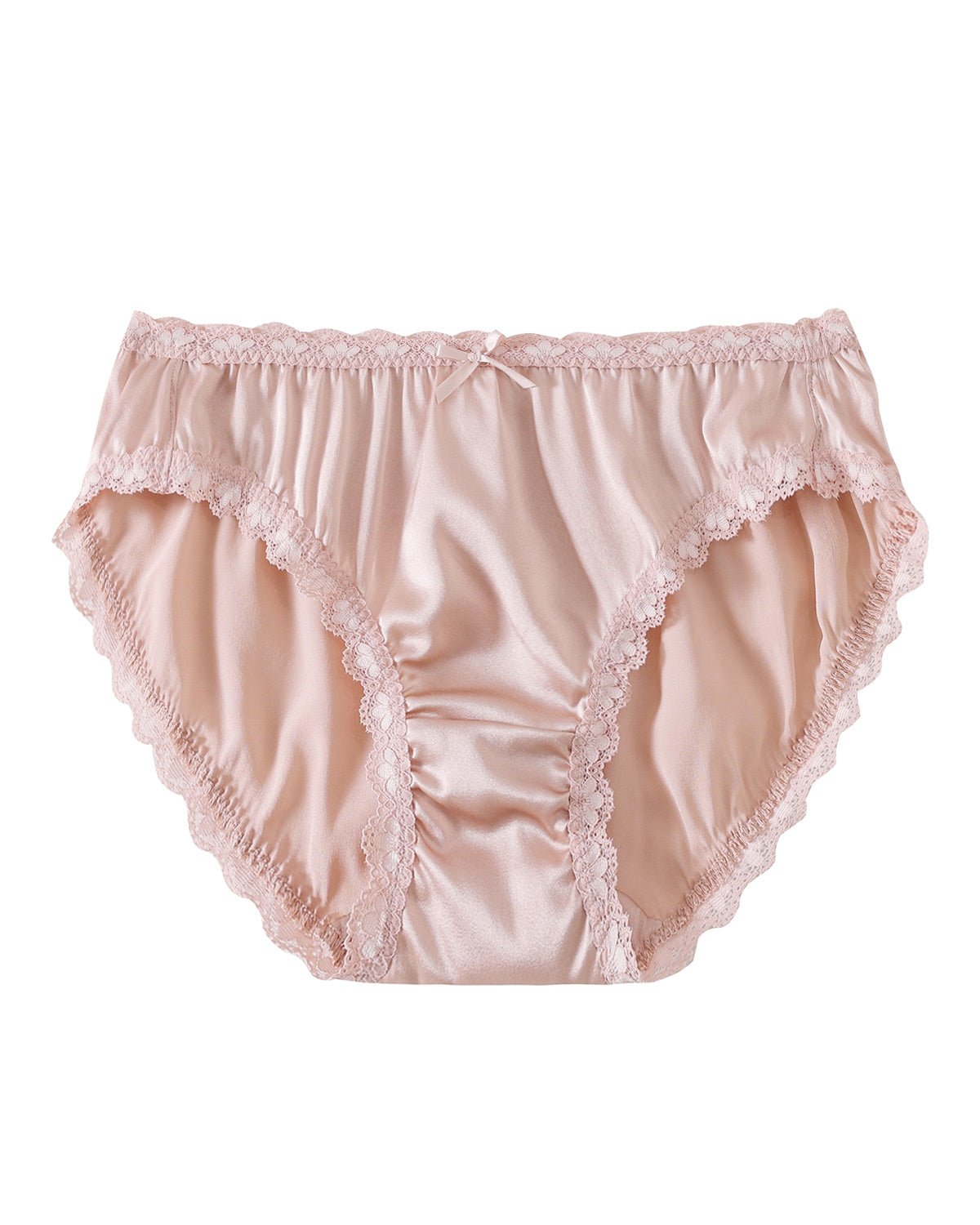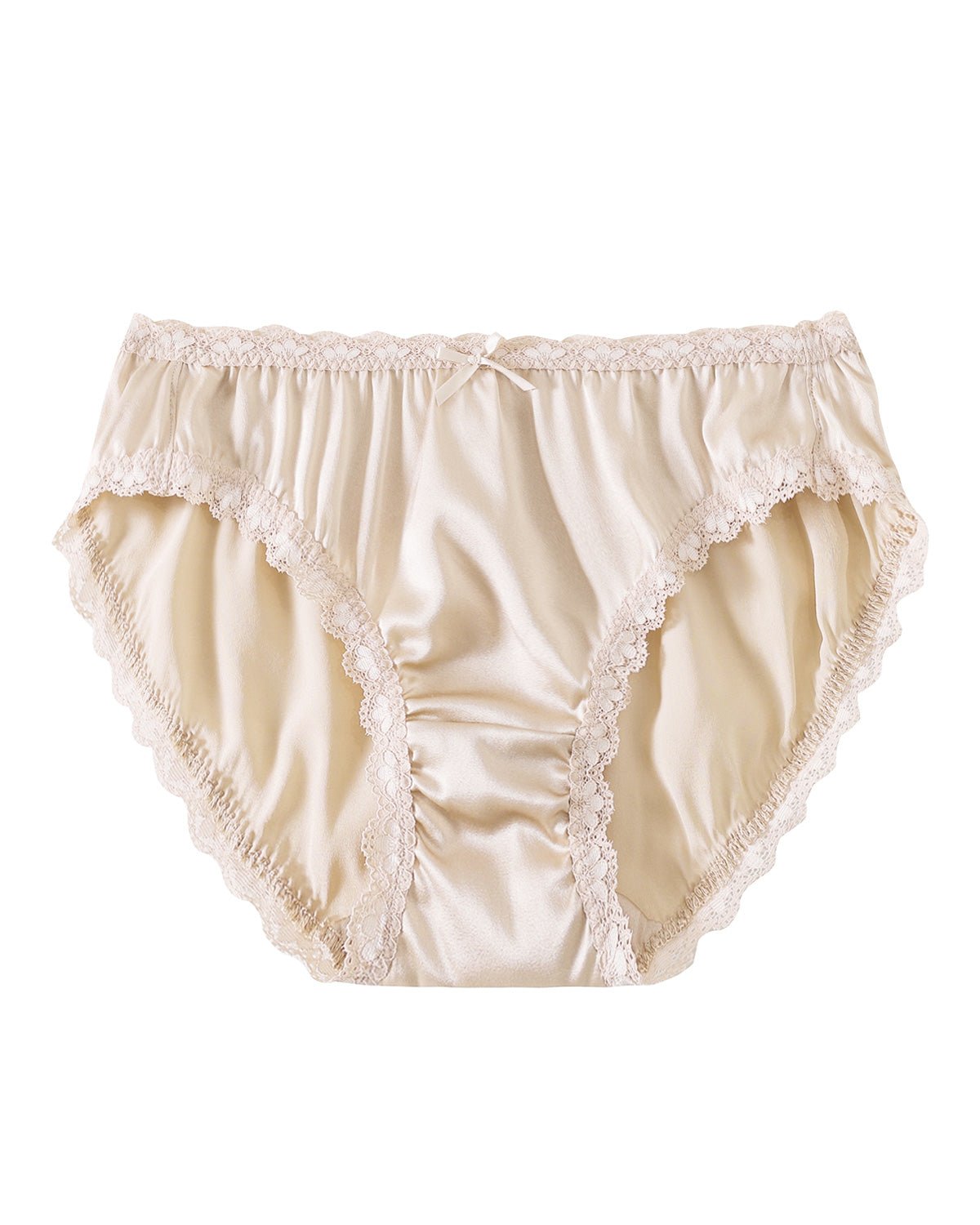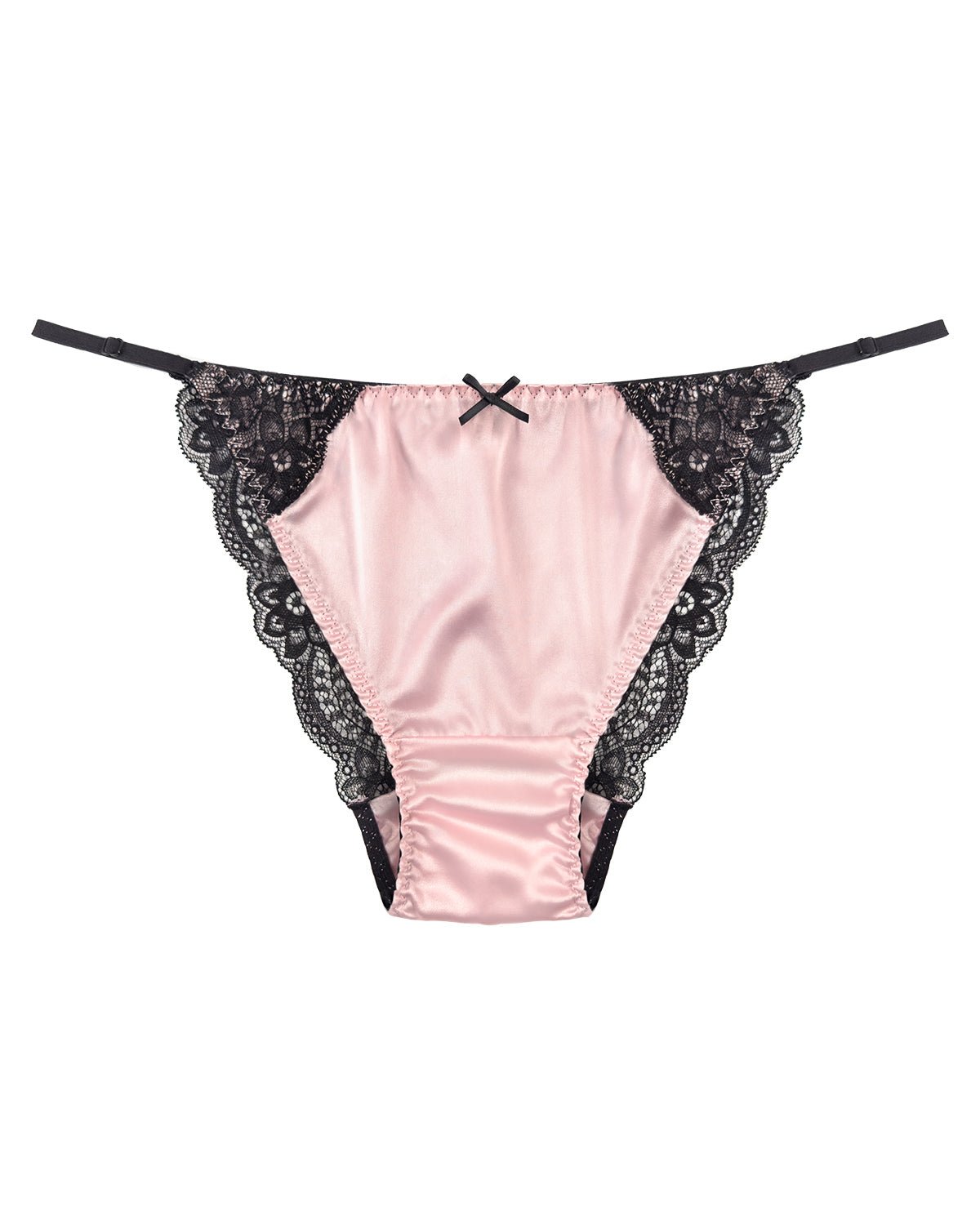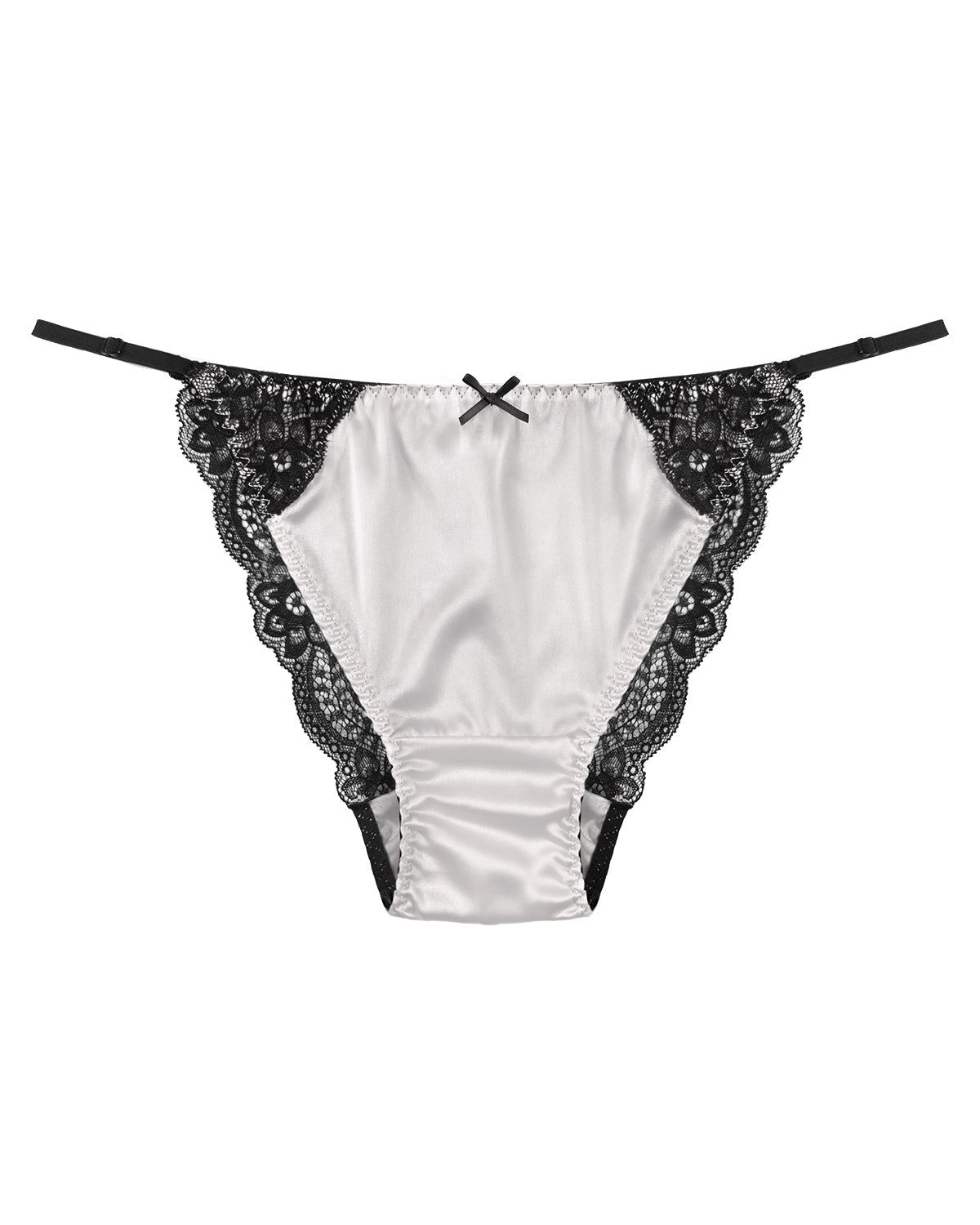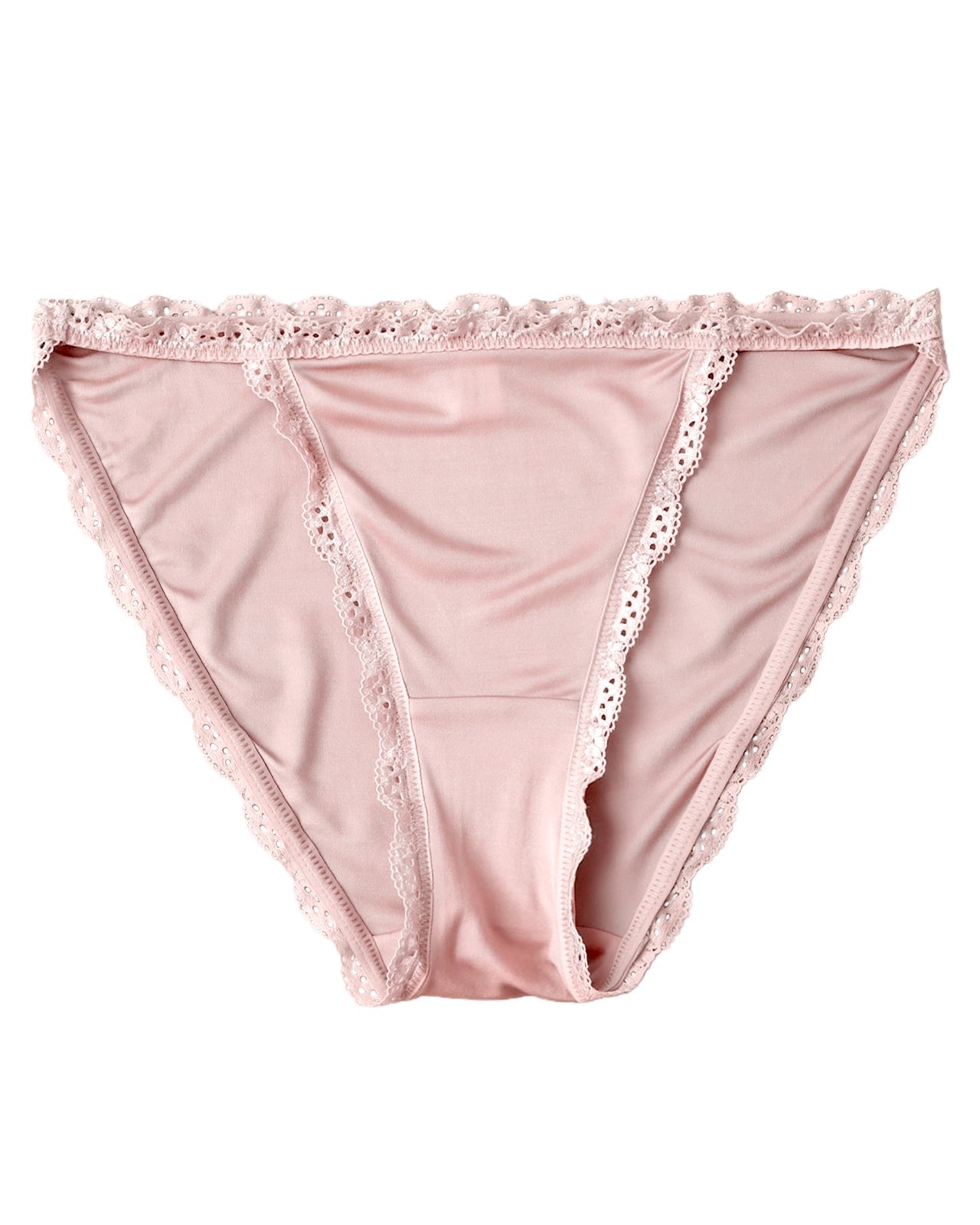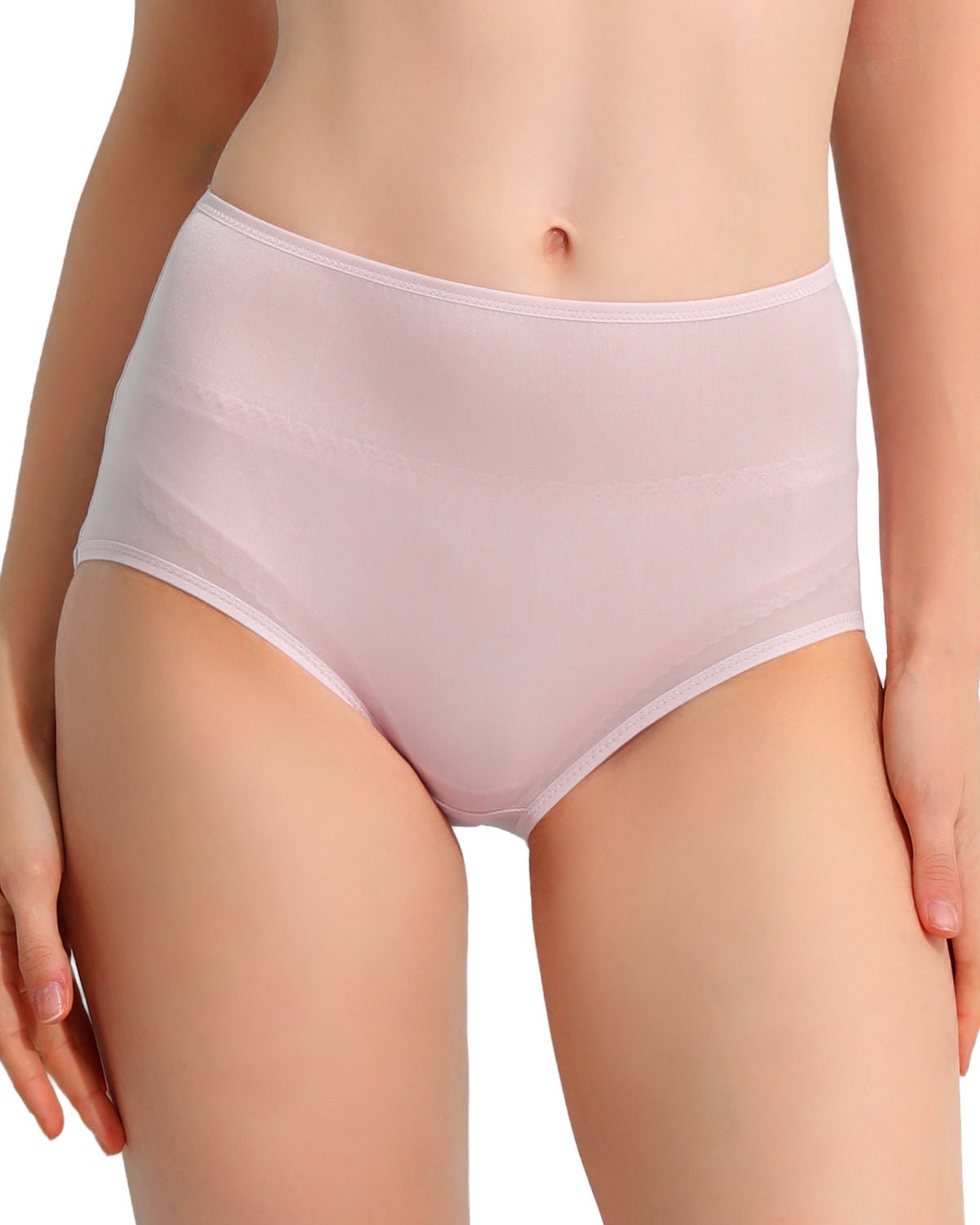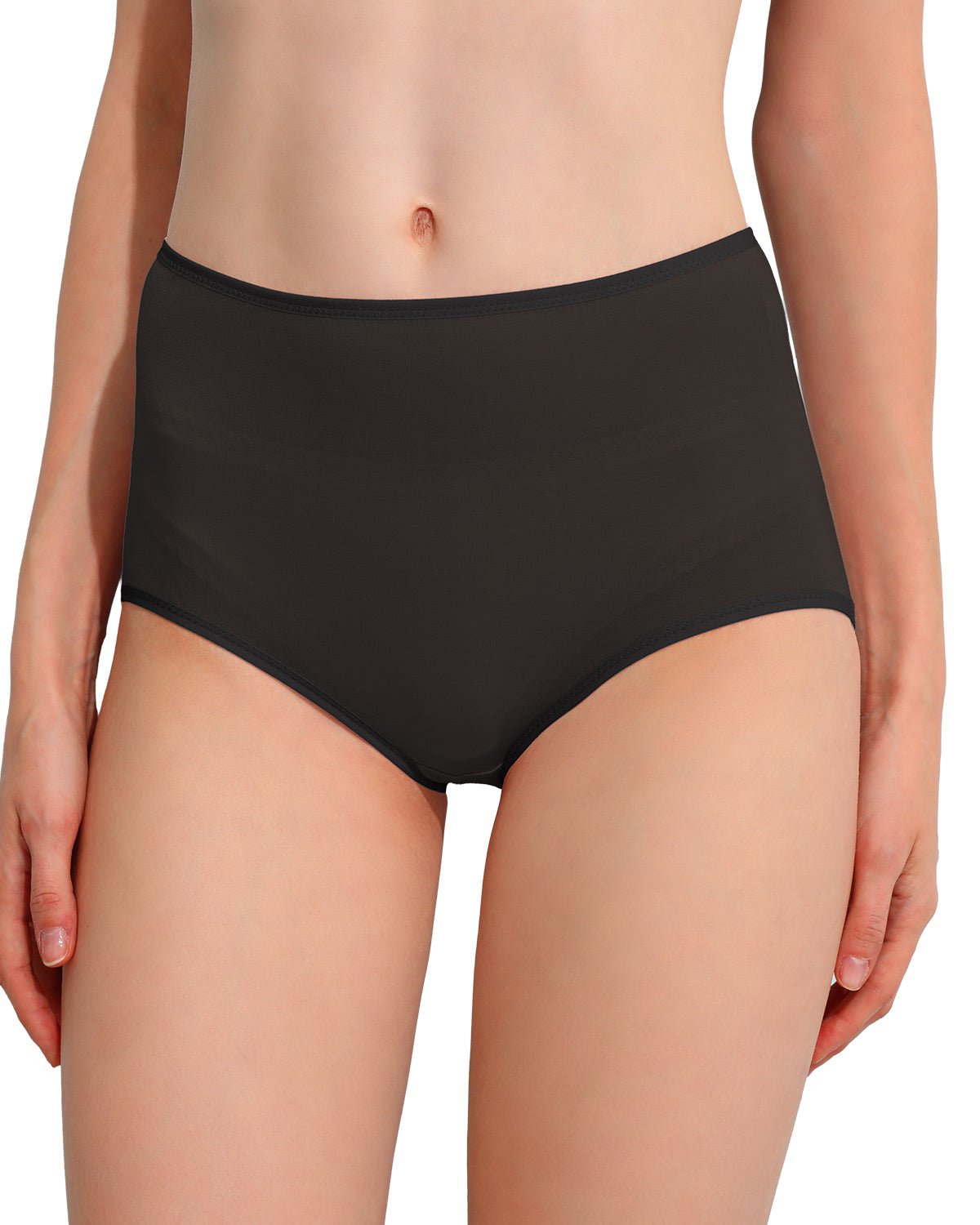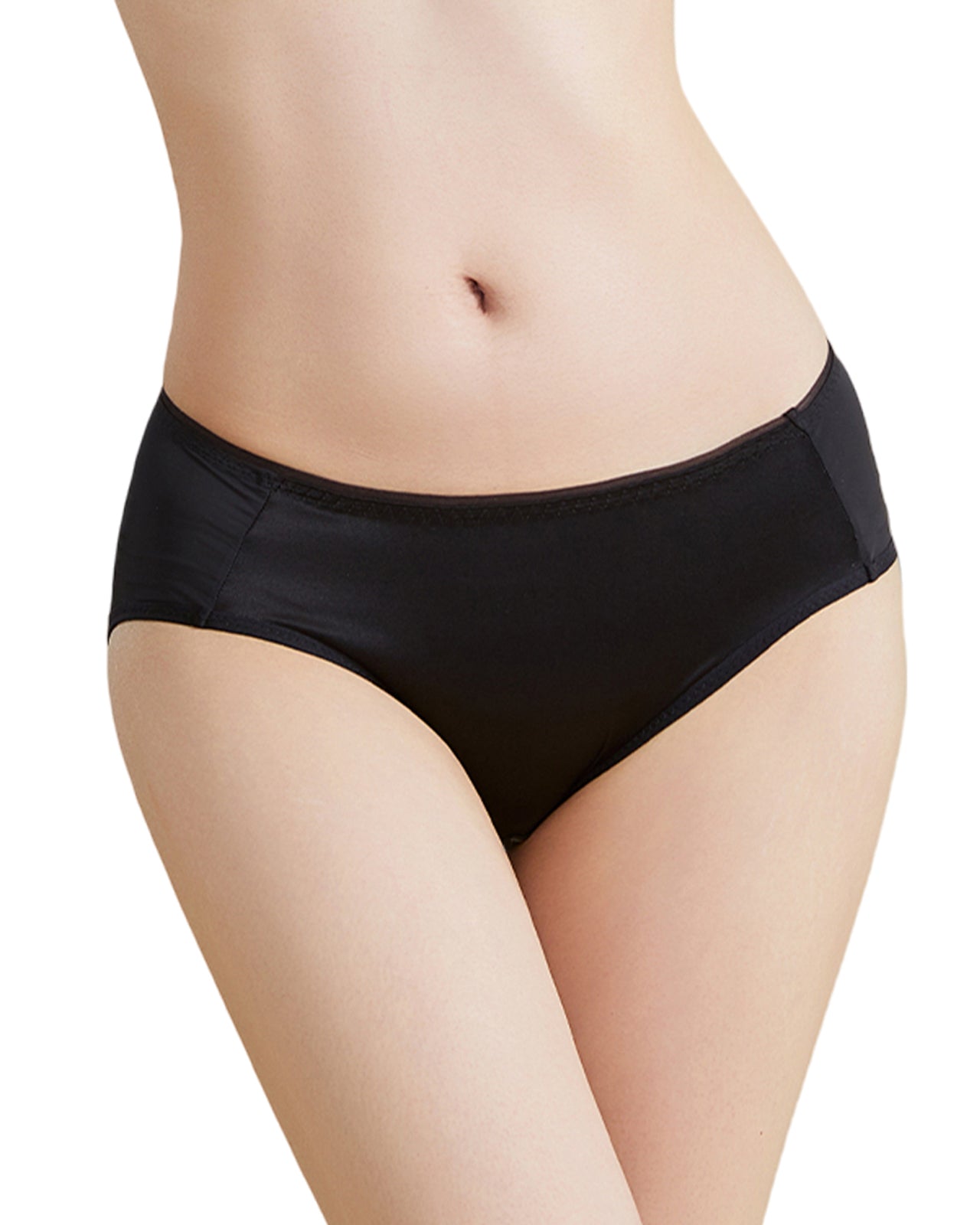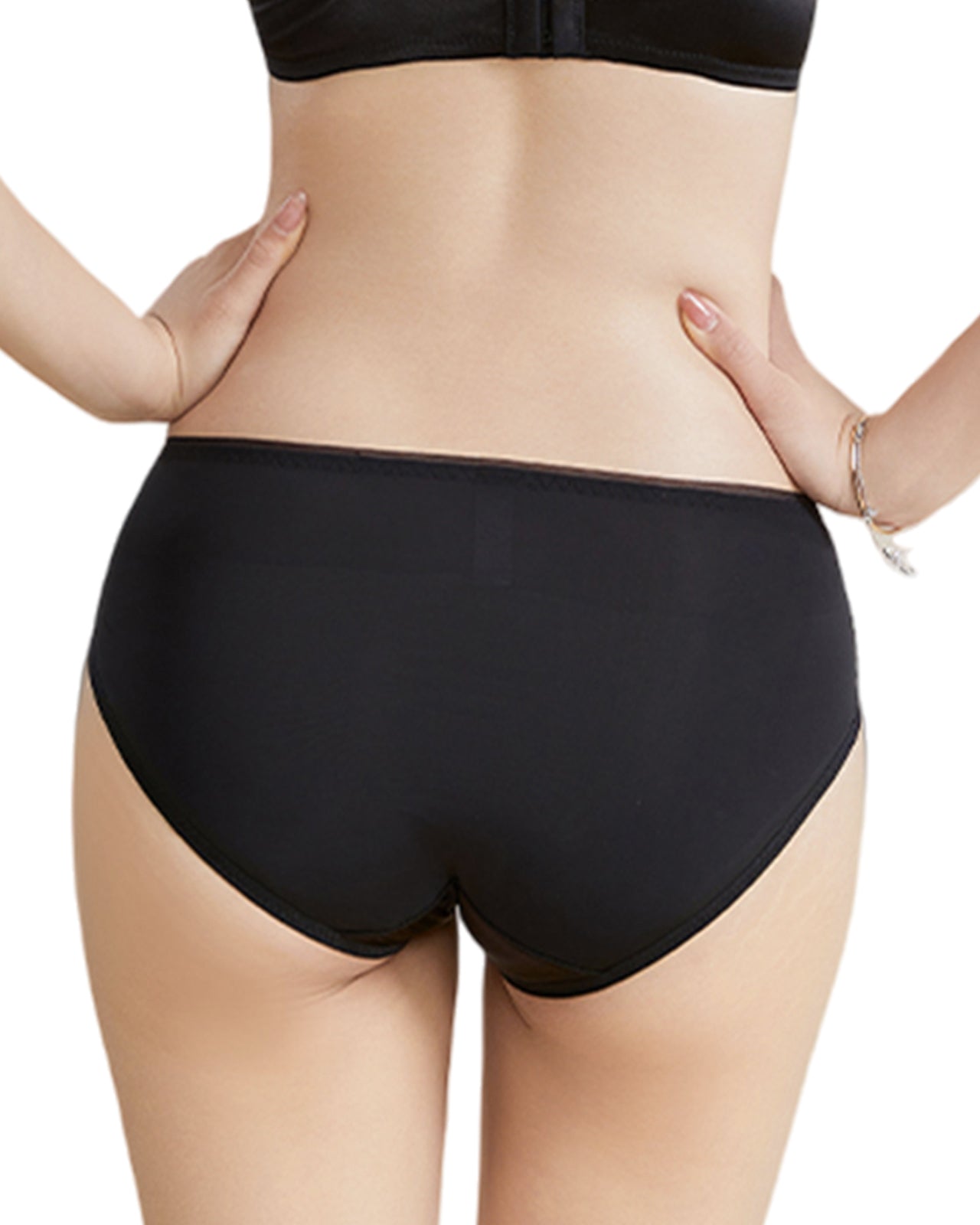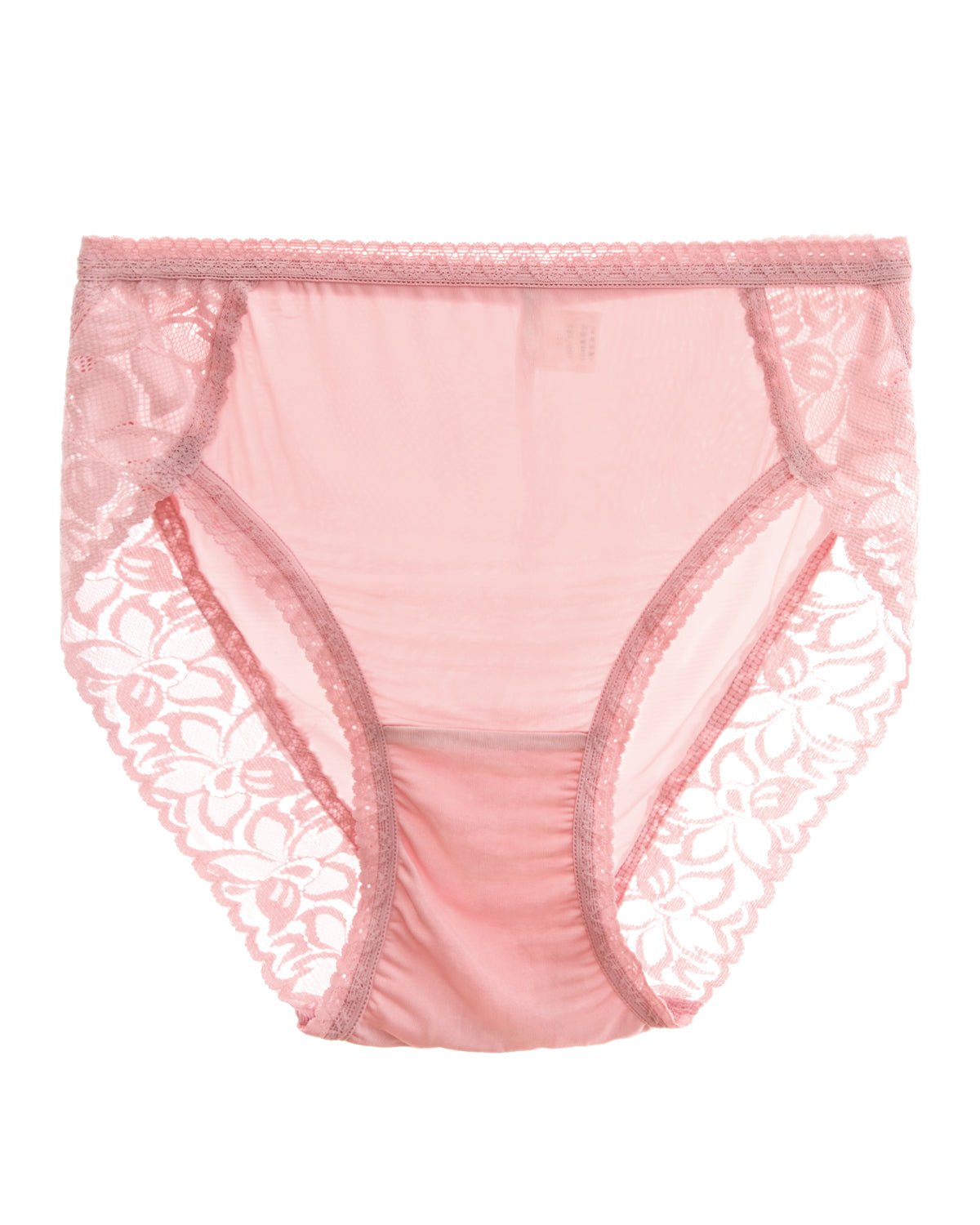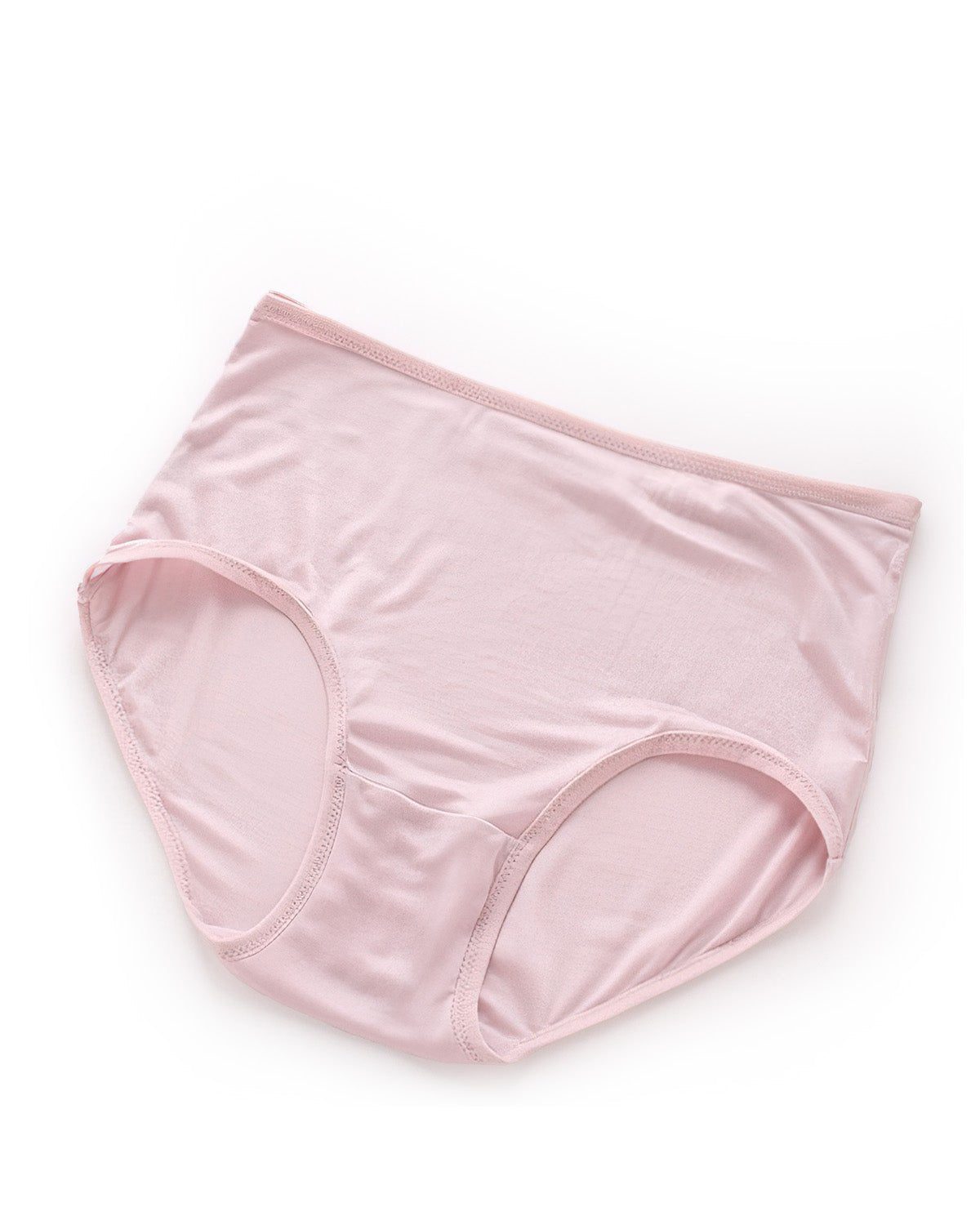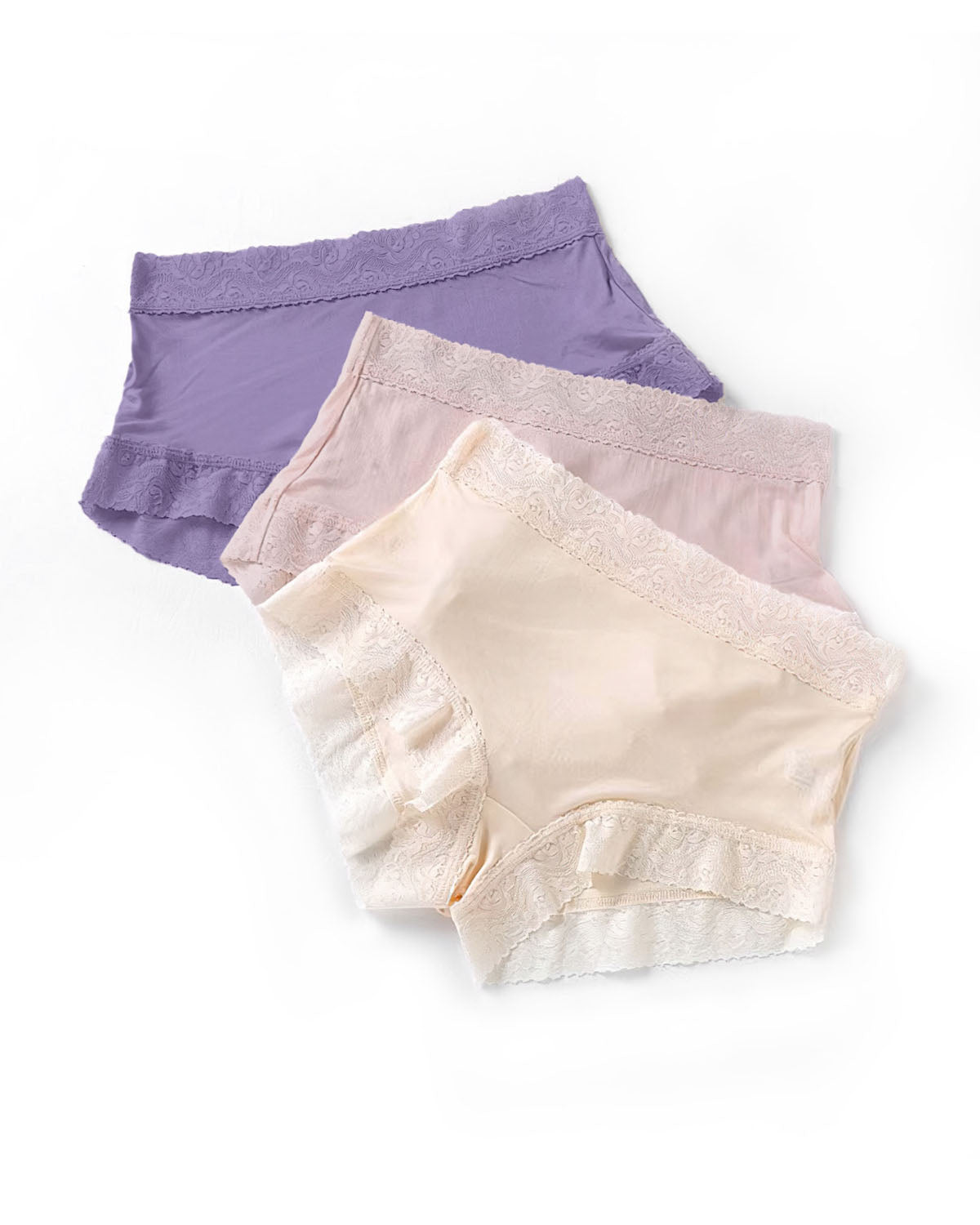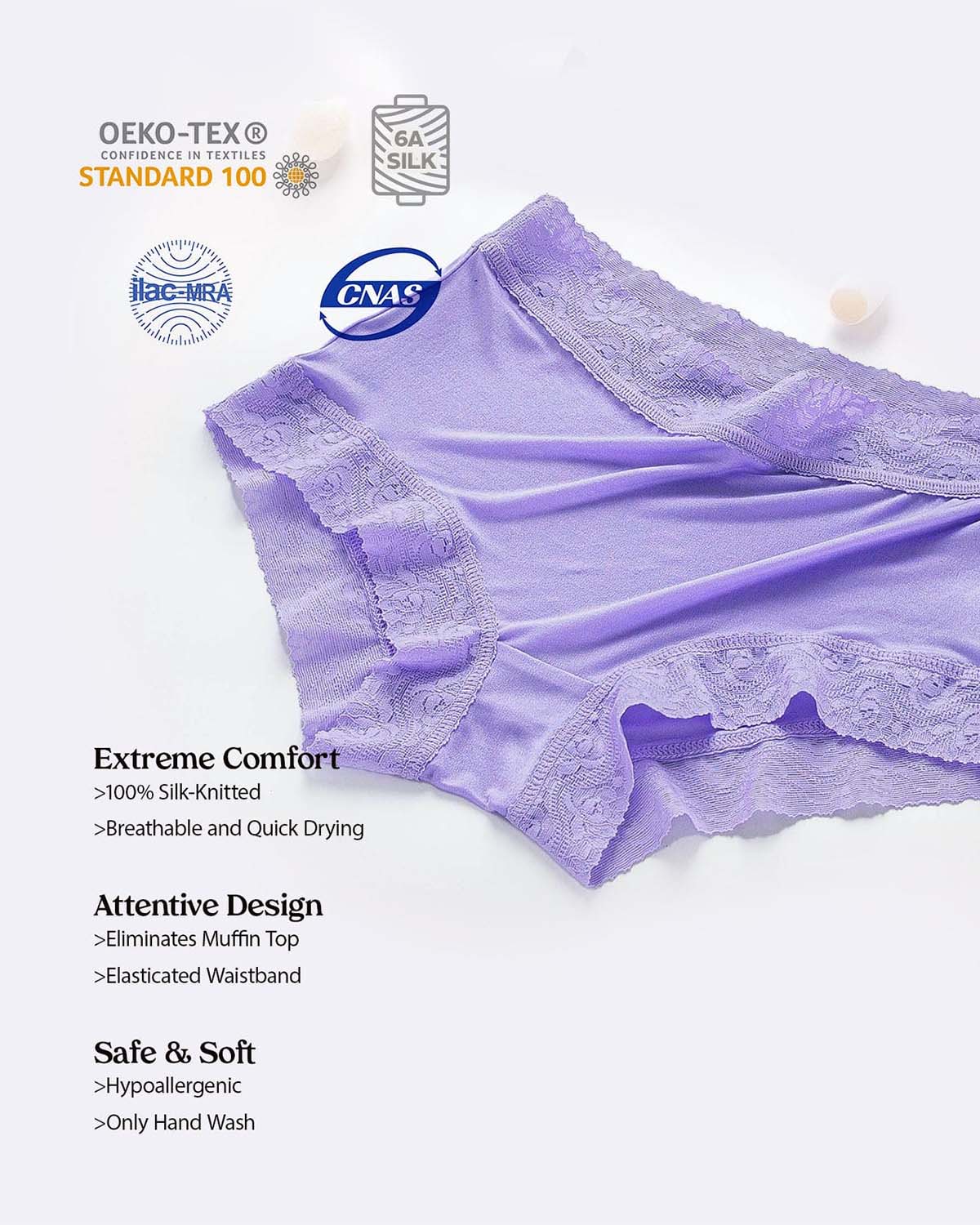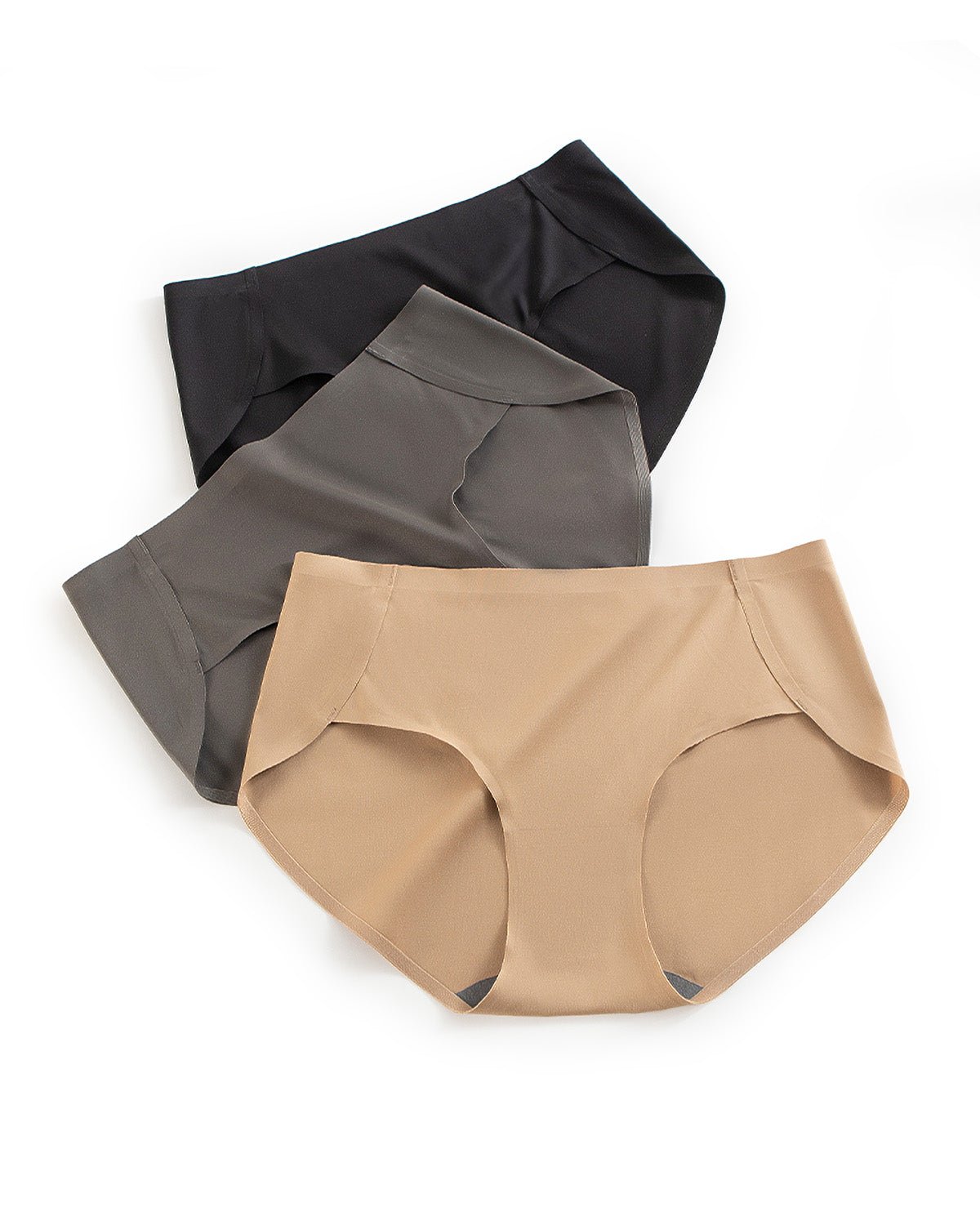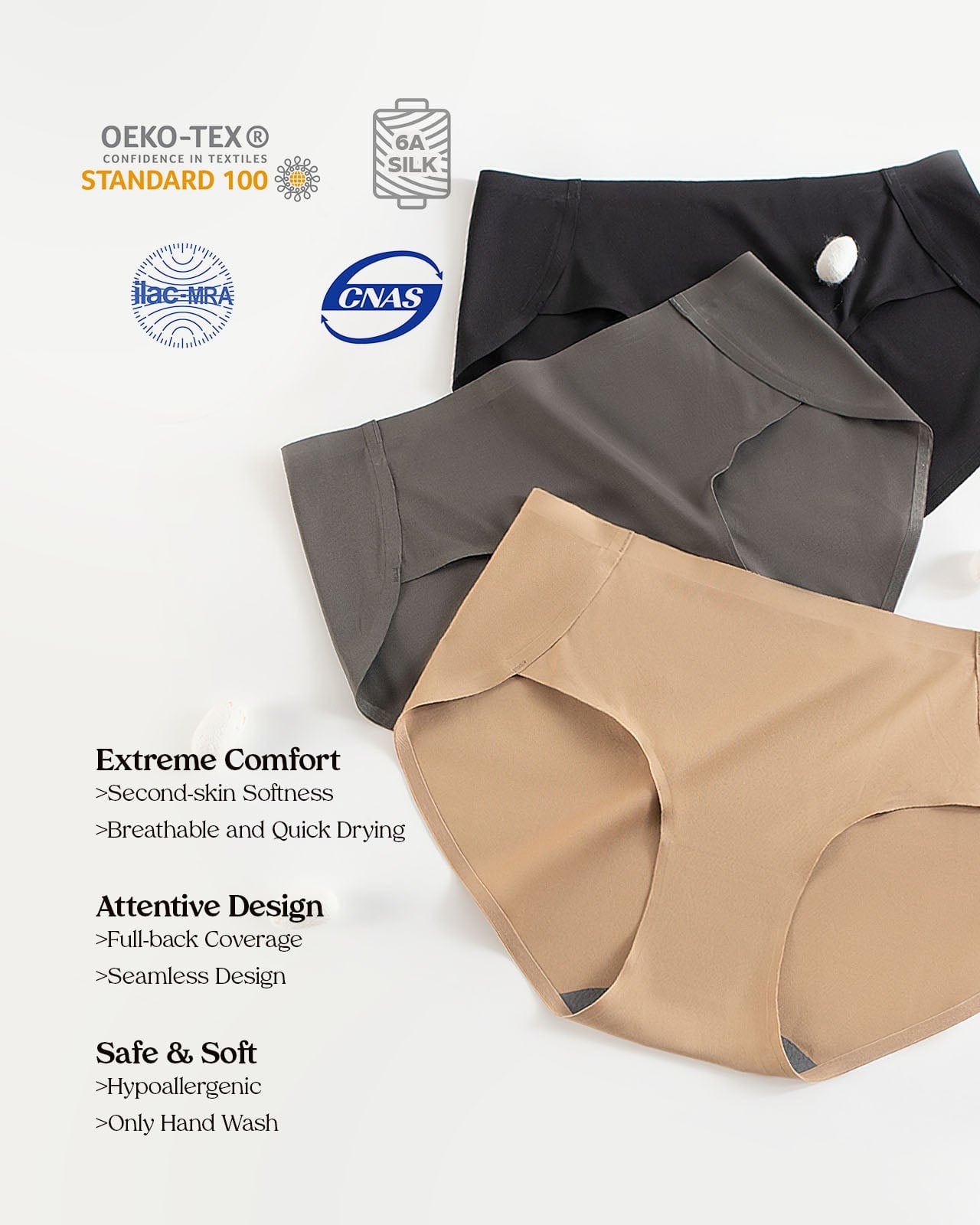

Why Silk Requires Special Care (It's Not Just Delicate — It's Alive)
Silk is not like any other fabric in your drawer. It is a protein-based fiber composed of 75–80% fibroin by weight, the same protein family found in human hair and skin. According to Selvane, this fibroin structure gives silk its smooth, low-immunogenic surface, making it uniquely gentle for intimate wear.
Because silk is a protein fiber, it loses significant strength when wet. Rough handling during washing is not a minor inconvenience; it is a direct cause of permanent damage. Think of it the way you think about your hair: you would never throw your hair into a hot dryer and expect it to come out healthy. Silk deserves the same logic.
Silk naturally contains 18 amino acids found in human skin, giving it biocompatible, hypoallergenic properties. But these benefits only last when the fiber is properly maintained. Improper washing strips away the very qualities that make silk worth wearing: its temperature regulation, hypoallergenic surface, and natural sheen.
One important distinction: "washable silk" and "raw silk" are not the same thing. Raw silk contains sericin proteins that react badly to agitation and water. Only garments explicitly labeled as washable silk are safe for home care. If you are unsure, check the care label before anything else.
Before You Wash: The Colorfastness Test You Should Never Skip
Many silk owners skip this step and ruin a beautiful garment on the very first wash. Do not let that be you.
Dampen a cotton swab or a small piece of white cloth and press it firmly against a hidden seam or inner hem of your silk piece. Hold it there for about 30 seconds. If any color transfers onto the cloth, the dye is not colorfast. Wash that piece separately and never soak it.
This test is especially critical for deeply dyed or printed silk underwear and sleepwear sets, where color bleeding can be irreversible. As Alas Silk notes, testing for colorfastness before the first wash is an established silk care best practice.
Also check the care label carefully. If it reads "Dry Clean Only," do not attempt a full home wash unless the soiling is very minor. Heavily embellished or structured pieces should always go to a professional cleaner. Familiarize yourself with common care symbols: a hand in water means hand wash, a crossed-out circle means do not tumble dry, and a single dot on the iron symbol means low heat only.
What You'll Need: The Right Products and Tools
Choosing the right detergent is not optional; it is essential. Use a pH-neutral, enzyme-free detergent specifically formulated for silk or wool. Why enzyme-free? Because enzyme-based detergents are designed to break down proteins, and silk is a protein fiber. As Heritage Park Laundry Essentials explains, enzyme detergents actively degrade silk with repeated use, weakening the fibers from the inside out.
Avoid these entirely: bleach, optical brighteners, fabric conditioners, washing powder, and standard laundry detergent. ThisIsSilk confirms that fabric conditioners leave a thin coating on silk fibers that reduces breathability and dulls the natural luster.
Gather these before you begin: a clean basin or sink, cool or lukewarm water (never hot, as heat denatures silk proteins), a clean dry towel, and optionally a mesh laundry bag if you plan to use a machine's delicate cycle. At FEELITS, we recommend this care routine to preserve the 22 momme thickness and OEKO-TEX® STANDARD 100 certified integrity of every piece we craft.
Step-by-Step: How to Hand Wash Silk Underwear and Sleepwear
Step 1: Fill your basin with cool or lukewarm water, never above 30°C (86°F). Add a small amount of silk-safe detergent and swirl gently to dissolve it evenly.
Step 2: Submerge your silk garment and gently agitate with your hands for 1 to 2 minutes. Avoid scrubbing, twisting, or bunching the fabric. Let the water do the work.
Step 3: If needed, soak for no more than 30 minutes. The Laundress confirms that prolonged soaking weakens wet silk fibers and can permanently alter the fabric's texture and shape.
Step 4: Rinse thoroughly in cool, clean water until all detergent is removed. Change the water as many times as needed. Do not wring or twist the fabric at any point.
Step 5: To remove excess water, gently press the garment against the side of the basin. Then lay it flat on a clean, dry towel and roll the towel up to absorb moisture. As recommended by Derek Rose, this towel-roll method is the safest way to extract water without stressing the fibers.
Step 6: Air dry flat on a clean surface or hang on a padded hanger, away from direct sunlight and heat sources. Never tumble dry silk.
As Angela Friedman points out, the active washing time is only 1 to 2 minutes once you have practiced — far more accessible than most people assume.
Remember: heat and abrasion are silk's two biggest enemies. Tumble drying combines both and can irreparably burn or shrink silk fibers. It is the single fastest way to destroy a silk garment.
Can You Machine Wash Silk? (The Honest Answer)
Machine washing is only acceptable for garments explicitly labeled "machine washable silk." Never assume. As Eberjey explains, raw silk and unlabeled silk garments can react badly to any form of machine agitation.
If your garment qualifies, use a mesh laundry bag, select the delicate or silk cycle, use cold water only, and add a silk-safe detergent. Never spin at high speed; this causes the same damage as wringing by hand.
Be aware that even on gentle cycles, Uwila Warrior notes that machine washing accelerates fiber shedding and eventual hole formation over time. For FEELITS silk pieces, hand washing is always our recommendation to preserve the 22 momme weight and long-term softness our craftsmen work so carefully to achieve.
Stain Removal for Silk Intimates: What to Do Before It Sets
Speed is everything. The moment a stain happens, blot (never rub) with a clean, damp cloth to lift as much as possible before it sets into the fibers.
Body oils and sweat: Apply a tiny amount of silk-safe detergent directly to the stain. Let it sit for 2 to 3 minutes, then rinse gently with cool water. Never use hot water on these stains; heat sets protein-based stains like sweat and body oils permanently into silk.
Makeup stains: Use a small amount of micellar water on a cotton pad and blot gently from the outside of the stain inward. Working inward prevents the stain from spreading.
For stubborn or set stains, take the piece to a professional silk cleaner rather than attempting aggressive home treatment. Avoid stain-removal sprays, pre-treatment products, or anything containing alcohol, acetone, or bleach. These chemicals can dissolve or discolor silk fibers on contact.
Ironing and Storing Silk After Washing
If ironing is necessary, always iron silk inside-out on the lowest heat setting. Place a dry pressing cloth between the iron and the fabric. Never apply steam directly, as it can leave permanent water marks on silk.
The good news: silk rarely needs ironing at all. If you air dry your pieces flat or on a padded hanger while still slightly damp, gravity does most of the smoothing work for you.
Storage matters just as much as washing. Store silk underwear and sleepwear flat or loosely folded in a breathable cotton or muslin bag. Never compress silk, pack it tightly, or store it in plastic. As Rosemo notes, plastic traps moisture and damages fibers over time.
Avoid storing silk in direct sunlight or near heat sources. UV exposure fades color and weakens fibers. Silk naturally repels dust mites, mold, and bacteria, as confirmed by Manito Silk, but only when it is clean and properly stored. Soiled silk stored improperly loses these hygienic properties.
Padded hangers are ideal for silk camisoles, robes, and pajama tops. Wire hangers can distort the fabric's drape and leave marks on the shoulders.
Protect Your Investment: Why Proper Silk Care Is Also Skin Care
Silk's 18 amino acids mirror those found in human skin, making it uniquely biocompatible for intimate wear and sleepwear. This is not marketing language; it is material science. When you wash silk properly, you preserve its hypoallergenic surface structure, which naturally repels dust mites, mold, and bacteria.
Strip that surface through harsh detergents or rough handling, and you defeat the very purpose of choosing silk in the first place. Proper care is a skin-health decision, not just a fabric-preservation one. This is especially relevant if you chose silk for sensitive skin or its wellness benefits.
There is a mindset shift worth embracing here. In the world of quiet luxury and elevated basics, caring for silk is part of the ritual of owning it, not a burden. It is a few minutes of intentional attention that extends the life of something beautiful.
If you ever have specific care questions, our personal silk expert customer service team is here to help. And if you are new to silk, our 100-night risk-free trial means you can experience silk care firsthand with zero pressure. Hand washing silk is also the eco-friendly choice: less water, no dryer energy, and a dramatically longer garment lifespan.
Quick Reference: Silk Care Dos and Don'ts
DO:
- Hand wash in cool water (below 30°C/86°F) with enzyme-free detergent
- Test for colorfastness before the first wash
- Press water out gently; roll in a dry towel
- Air dry flat or on a padded hanger
- Iron inside-out on the lowest heat with a dry pressing cloth
- Store in breathable cotton or muslin bags
DON'T:
- Use enzyme detergents, bleach, fabric conditioner, or washing powder
- Wring, twist, or scrub the fabric
- Tumble dry or expose to direct heat
- Soak for longer than 30 minutes
- Store in plastic or direct sunlight
- Iron with steam or on high heat
When in doubt, hand wash in cool water and air dry. Silk forgives gentleness, not shortcuts.
Sources
- Selvane – Silk for Sensitive Skin: Hypoallergenic Properties & Evidence
- Heritage Park Laundry Essentials – How to Wash Your Silk Lingerie
- Alas Silk – How to Wash Silk: Complete Guide
- ThisIsSilk – The Do's and Don'ts of Caring for Your Silk
- The Laundress – How to Clean Silk Pillowcases & Eye Masks
- Derek Rose – Silk Care Guide
- Angela Friedman – Tips and Tricks for Hand Washing Your Silks
- Eberjey – How to Wash Silk at Home
- Uwila Warrior – How to Wash Silk Underwear
- Rosemo – How to Wash Silk Lingerie Without Ruining It
- Manito Silk – Silk Bedding for Allergy-Prone Individuals