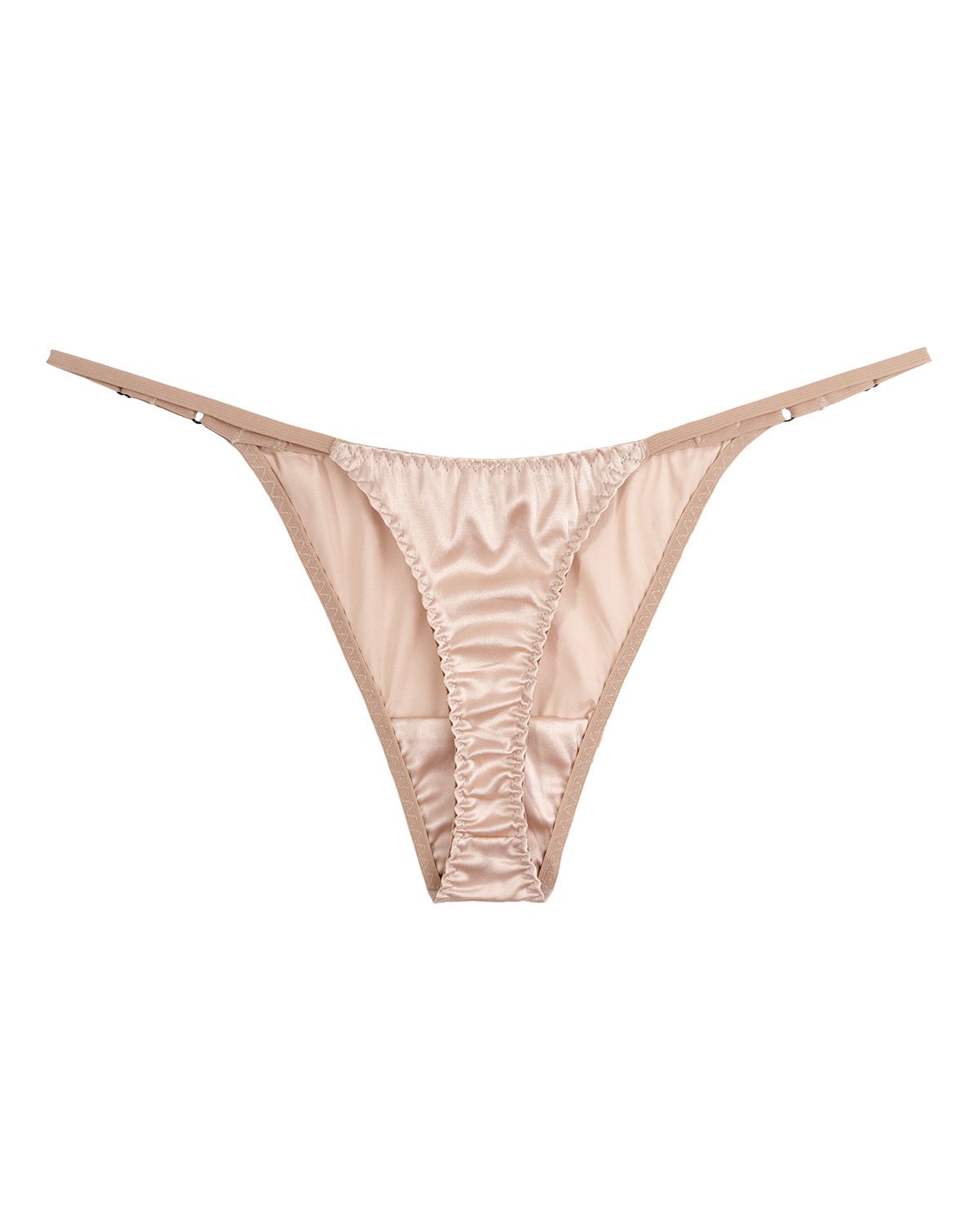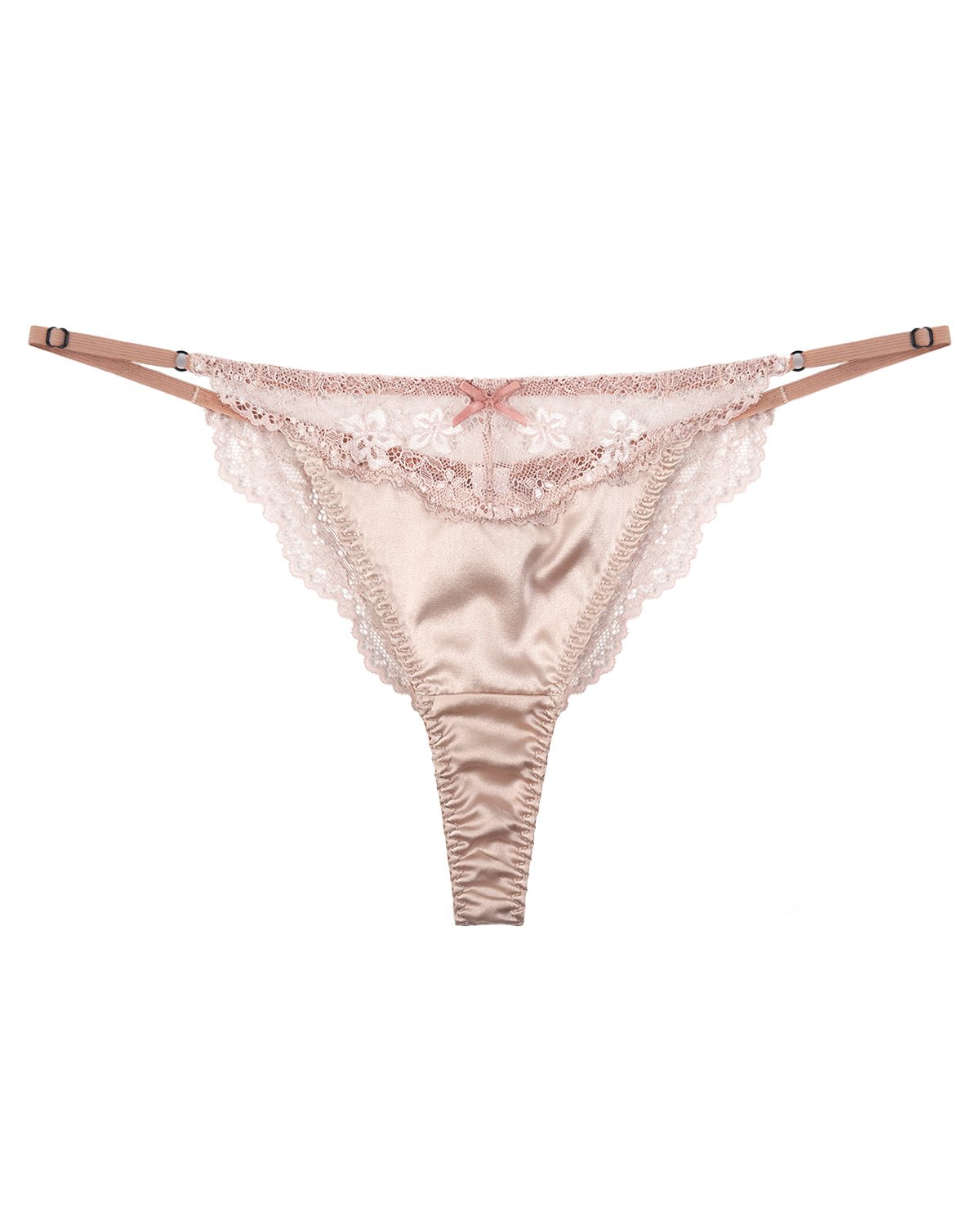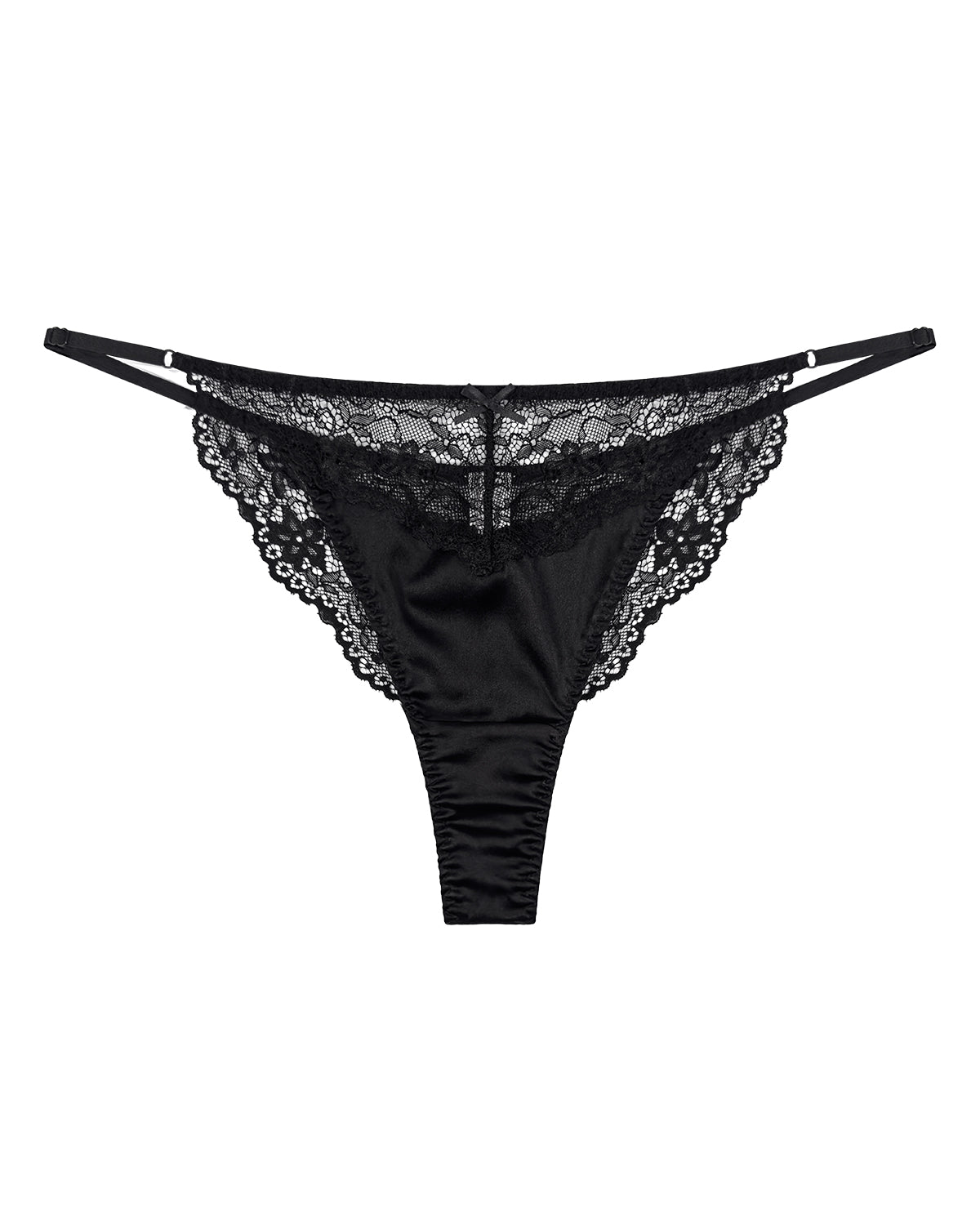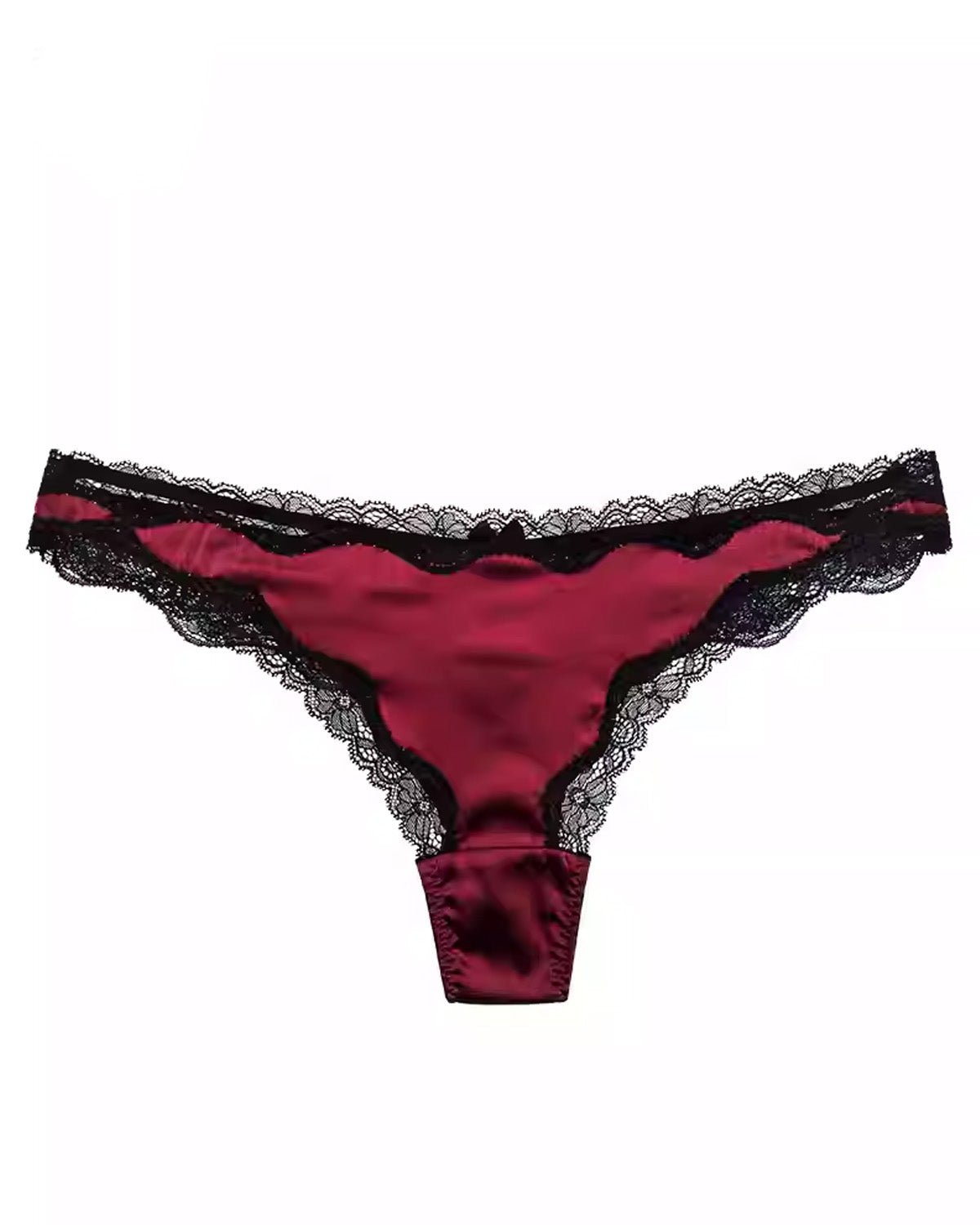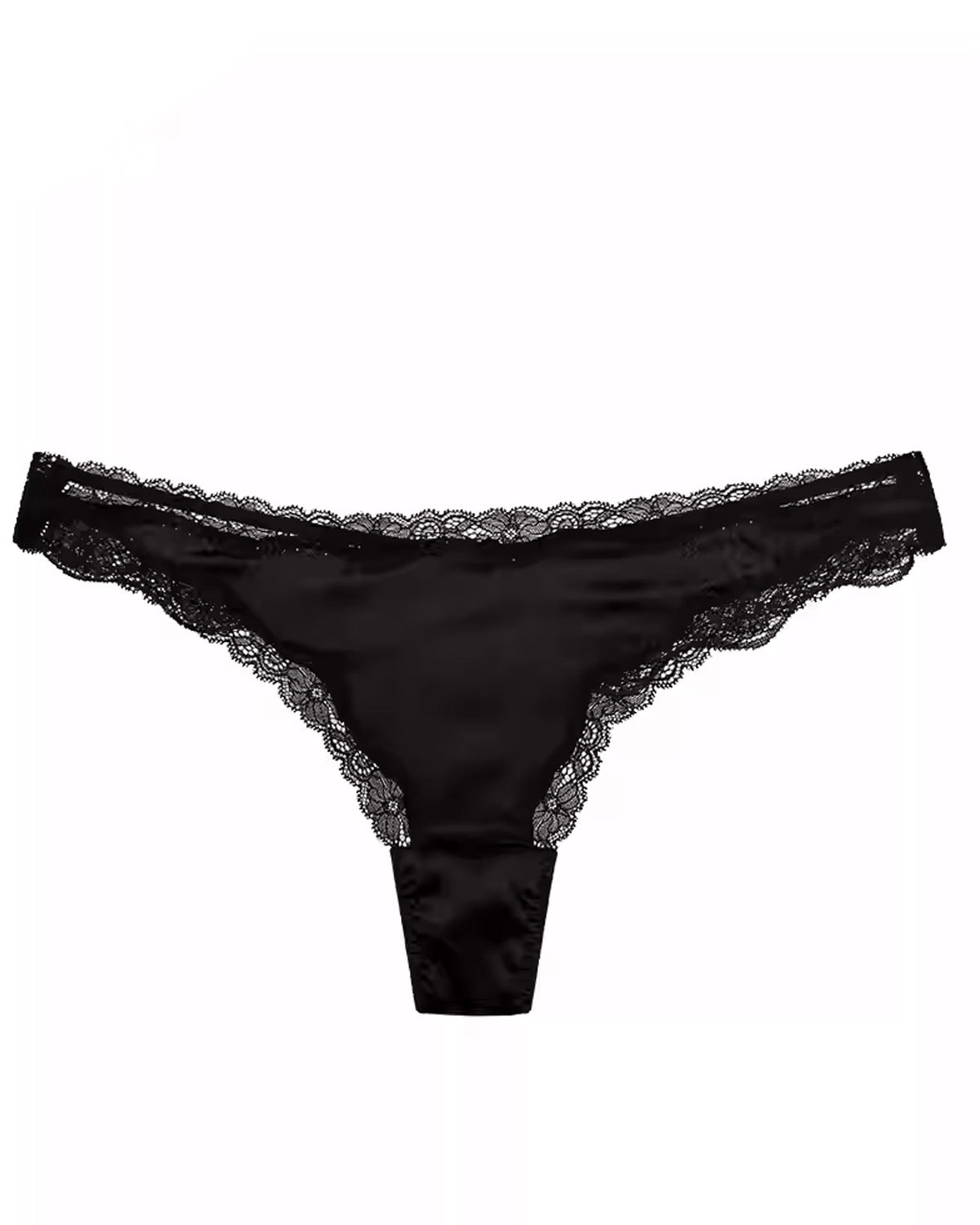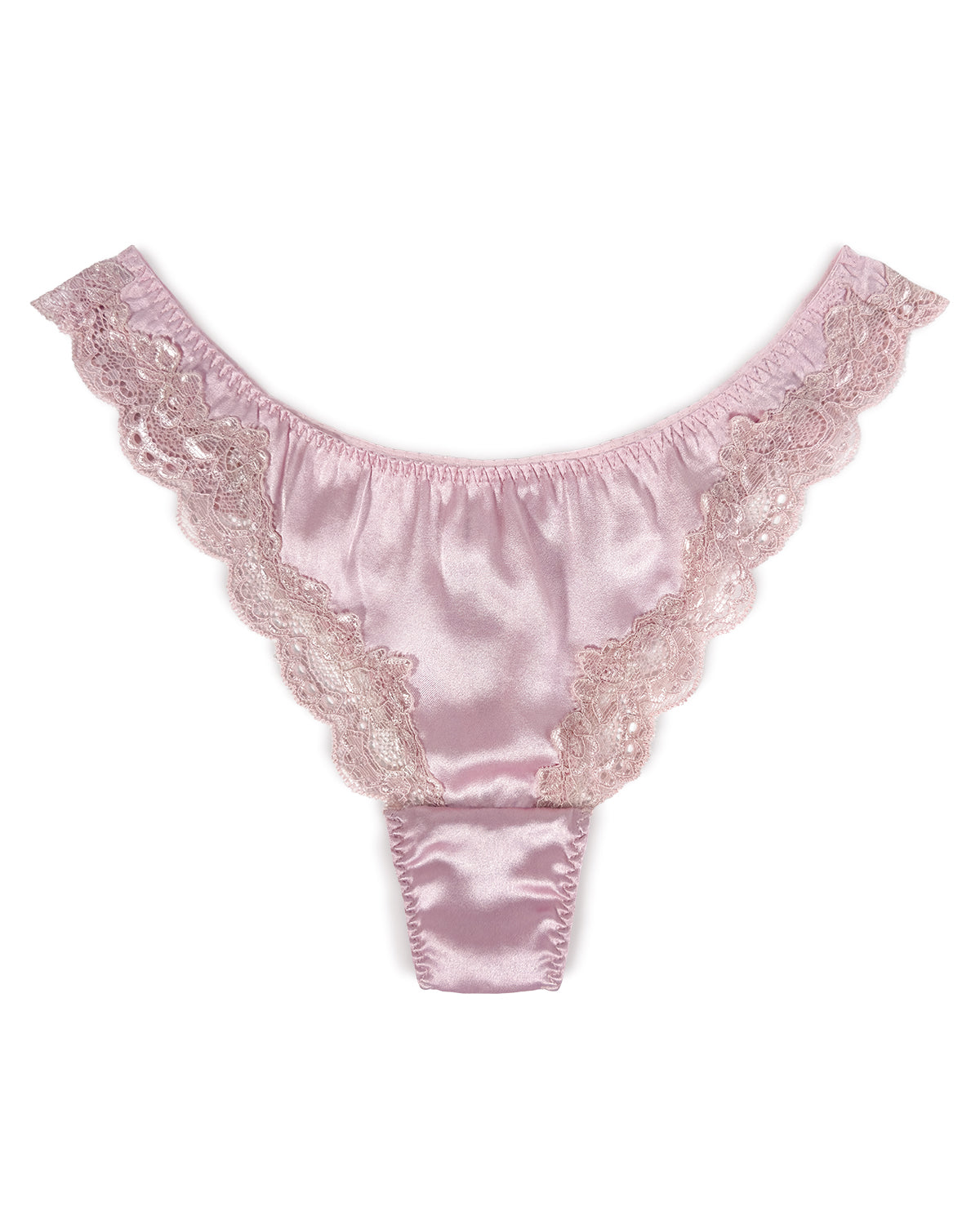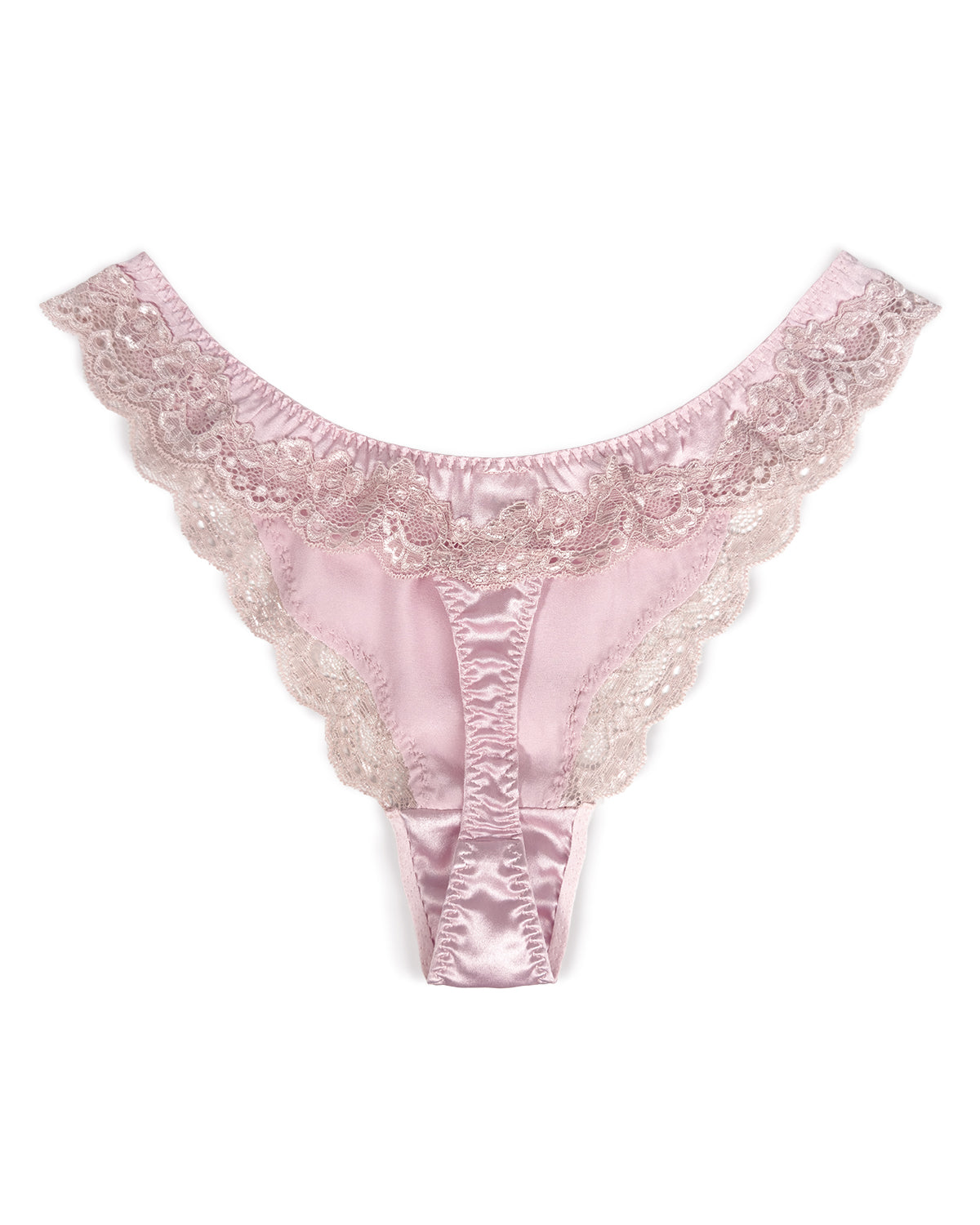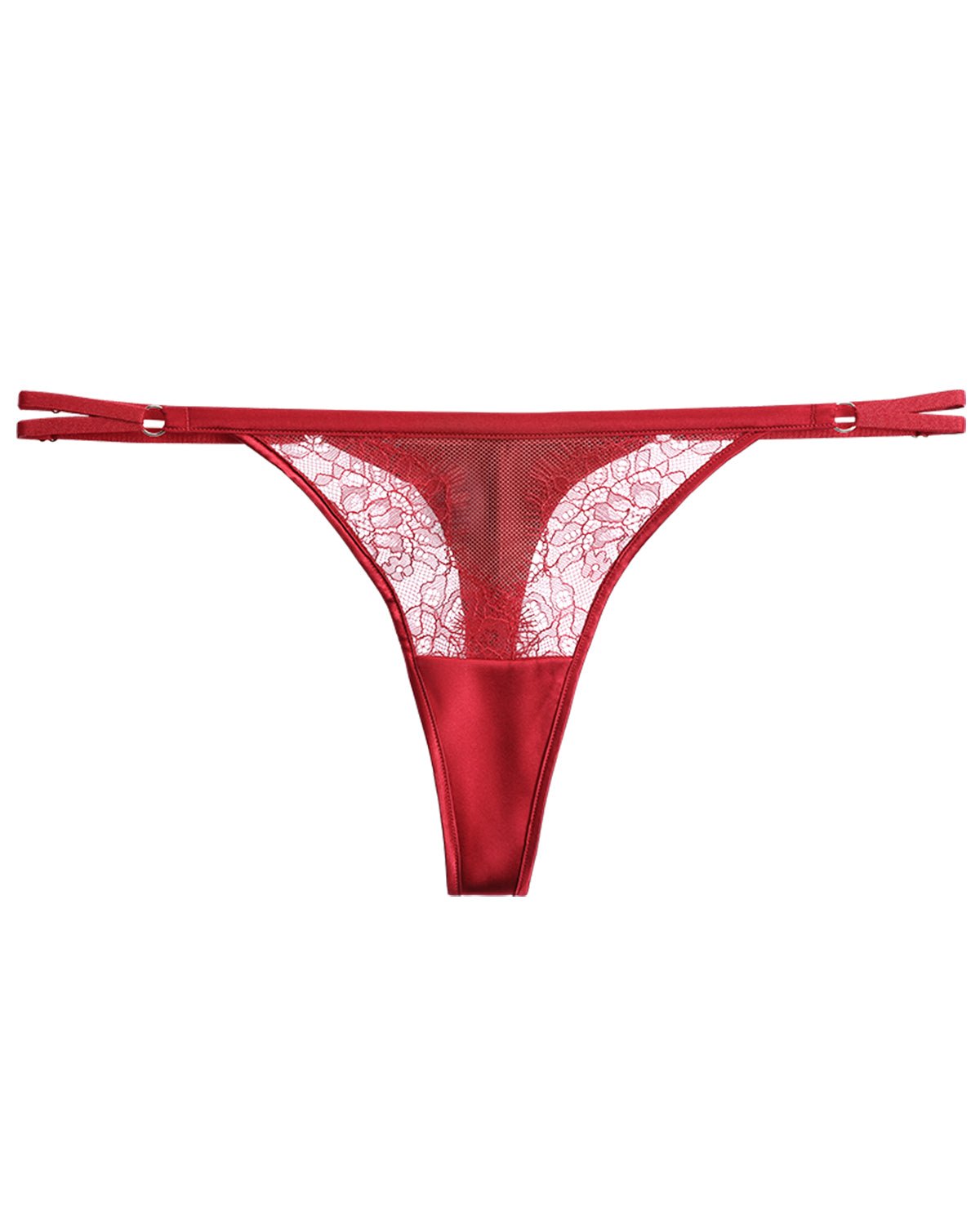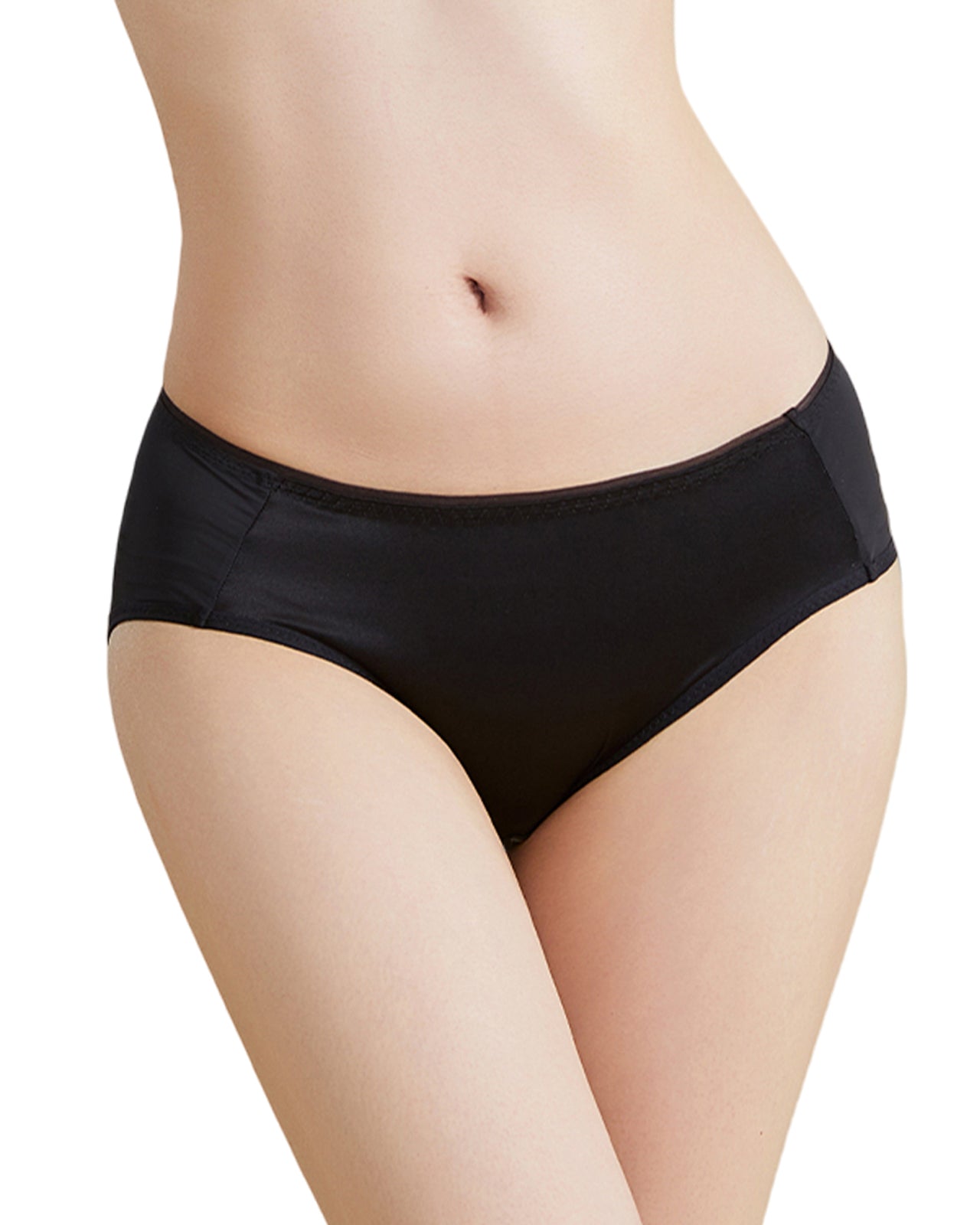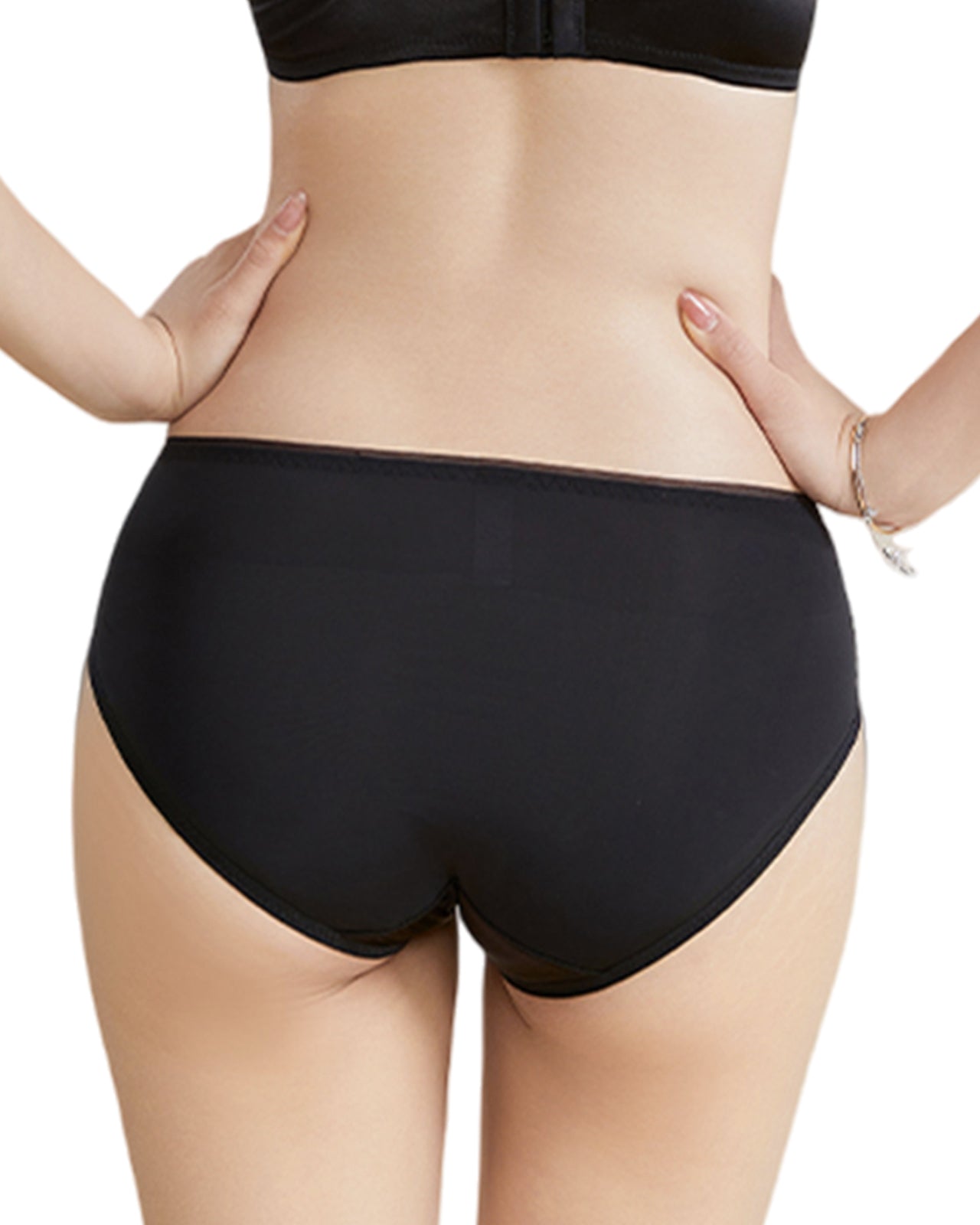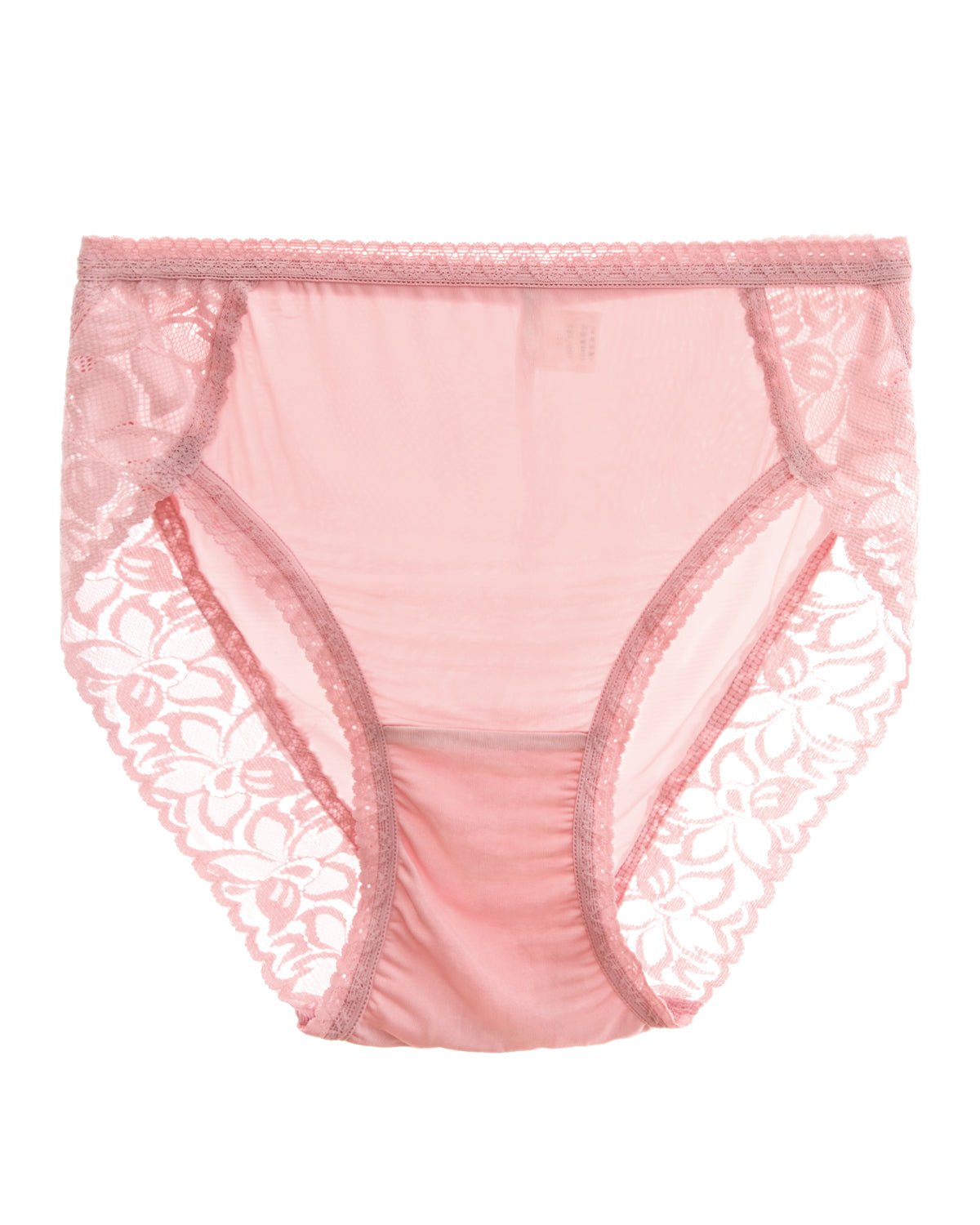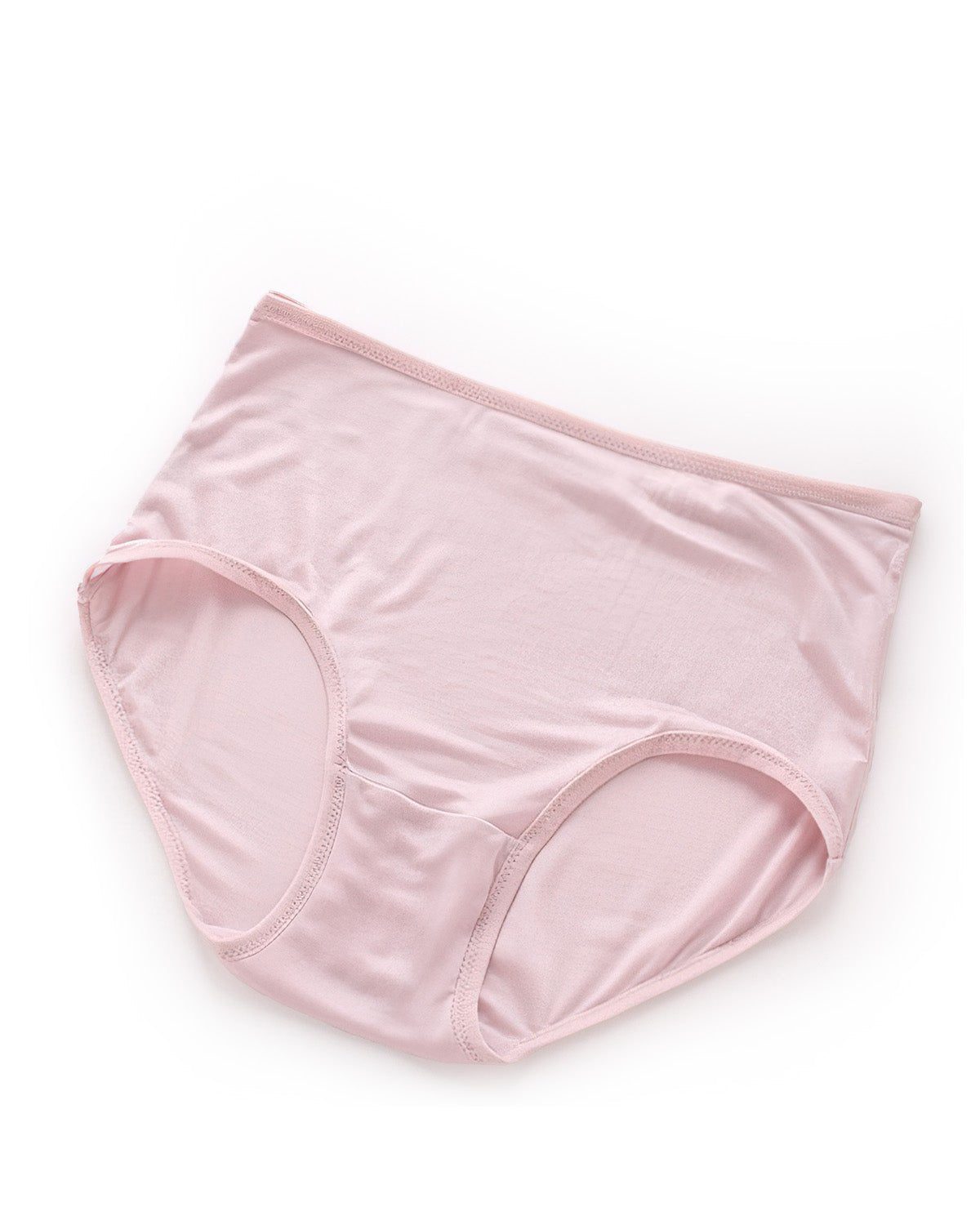

By: FEELITS
Only One of These Is Actually a Fabric
Here is the single most important thing most shoppers never learn: satin is not a fabric. It is a weave structure, a way of interlocking threads, not a material in itself. Silk is a natural protein fiber. Modal is a semi-synthetic cellulose fiber. Satin is simply a technique that can be applied to silk, polyester, nylon, or virtually any other fiber.
According to SzoneierFabrics, approximately 72% of satin products on the market are made from polyester, not silk. That glossy chemise labeled "satin" in your cart? There is a strong chance it is synthetic.
What follows is an honest, evidence-backed breakdown of all three options, covering skin health, sustainability, and long-term value, so you can make a truly informed choice about what touches your skin.
What Is Silk? The Gold Standard Explained
Silk is a natural protein fiber produced by Bombyx mori silkworms. According to Silkbiotic, it is composed of two proteins: fibroin (70 to 80%) and sericin (20 to 30%). These proteins give silk its remarkable affinity with human skin and hair.
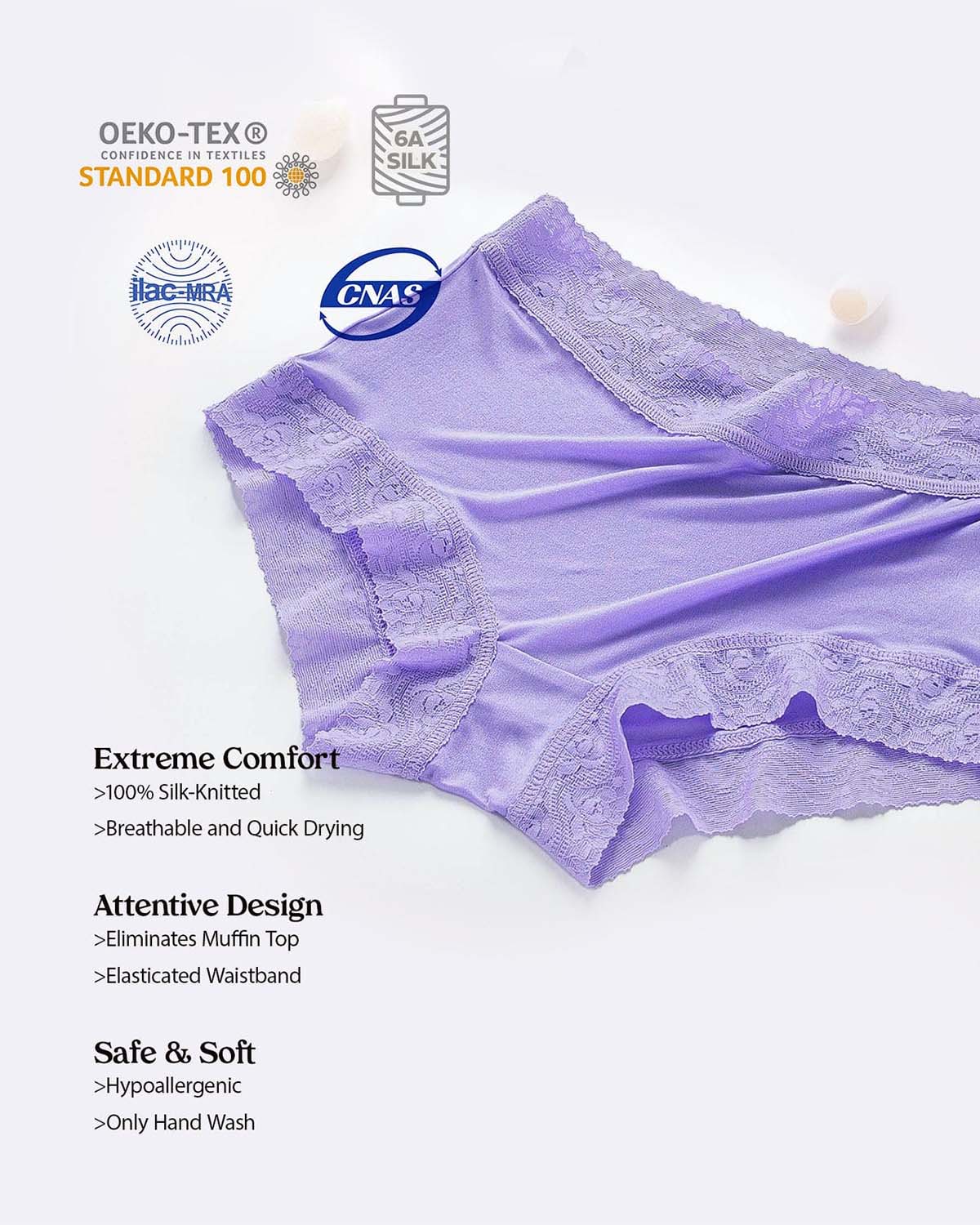
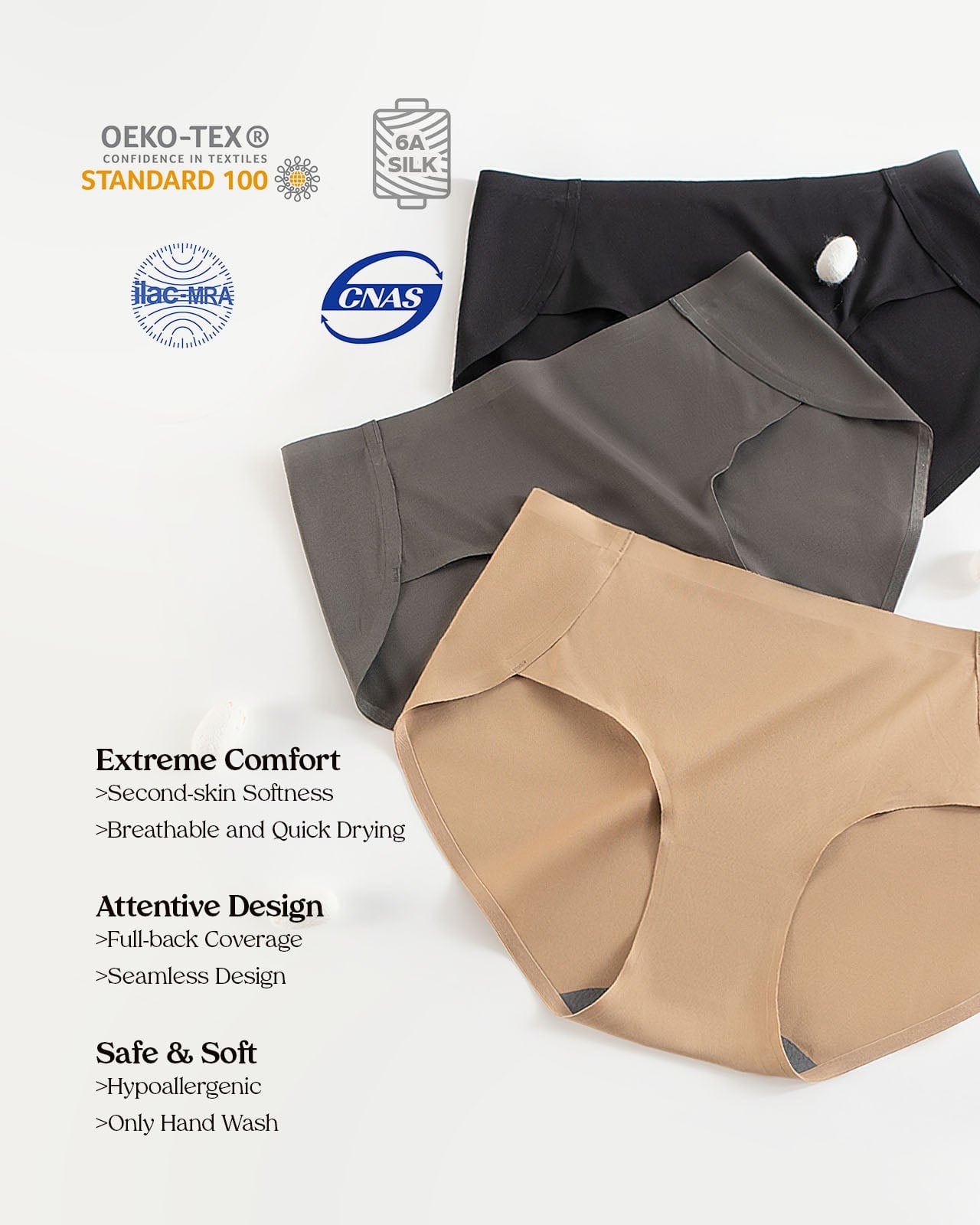
Not all silk is created equal. Mulberry silk is the premium category, and within that tier, 6A Grade Royal Mulberry Silk from Suzhou represents the highest quality available. The grading reflects fiber length, uniformity, luster, and purity. Paired with a 22 momme weight (a measure of fabric density), you get a material that is both sumptuously soft and surprisingly durable.
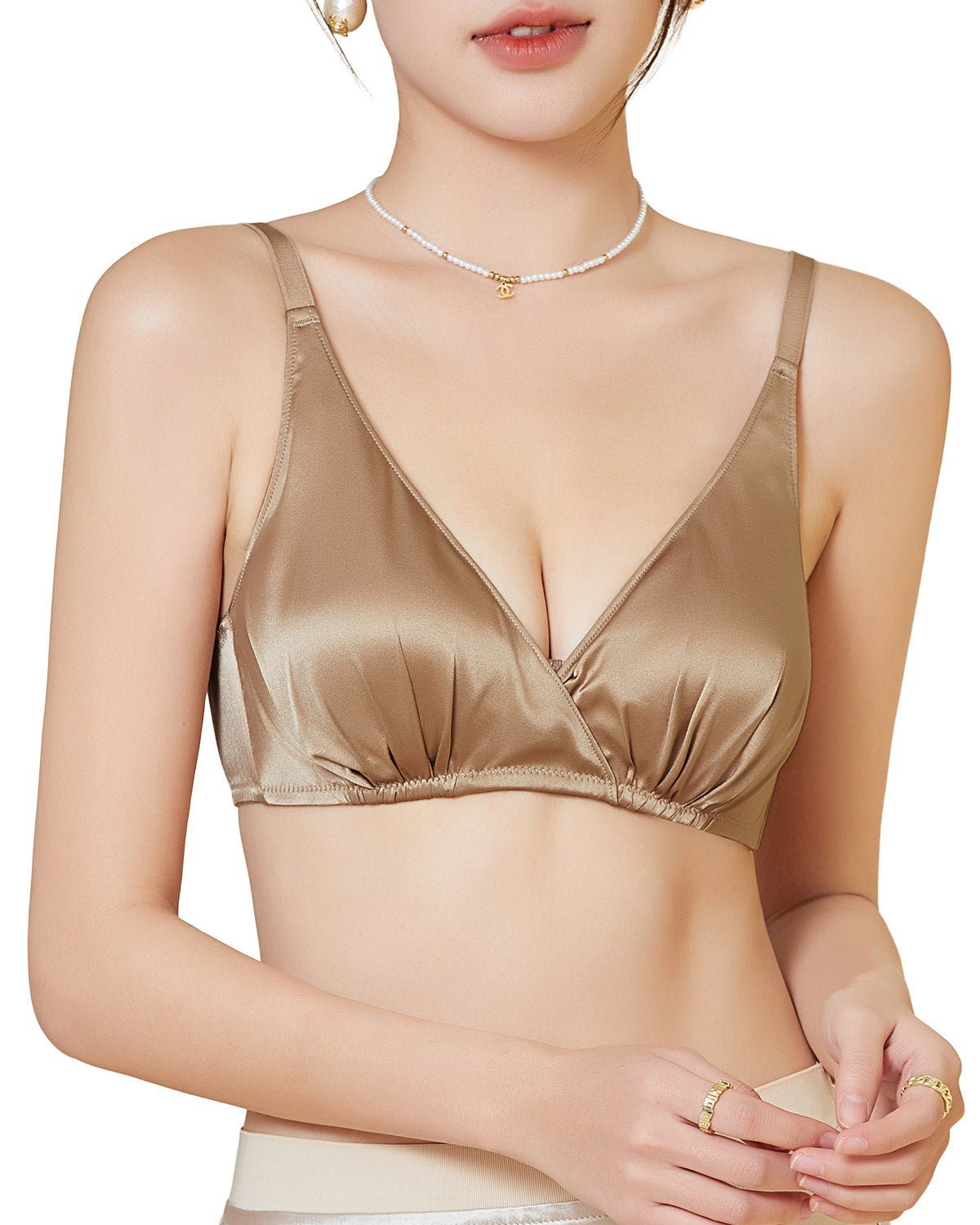
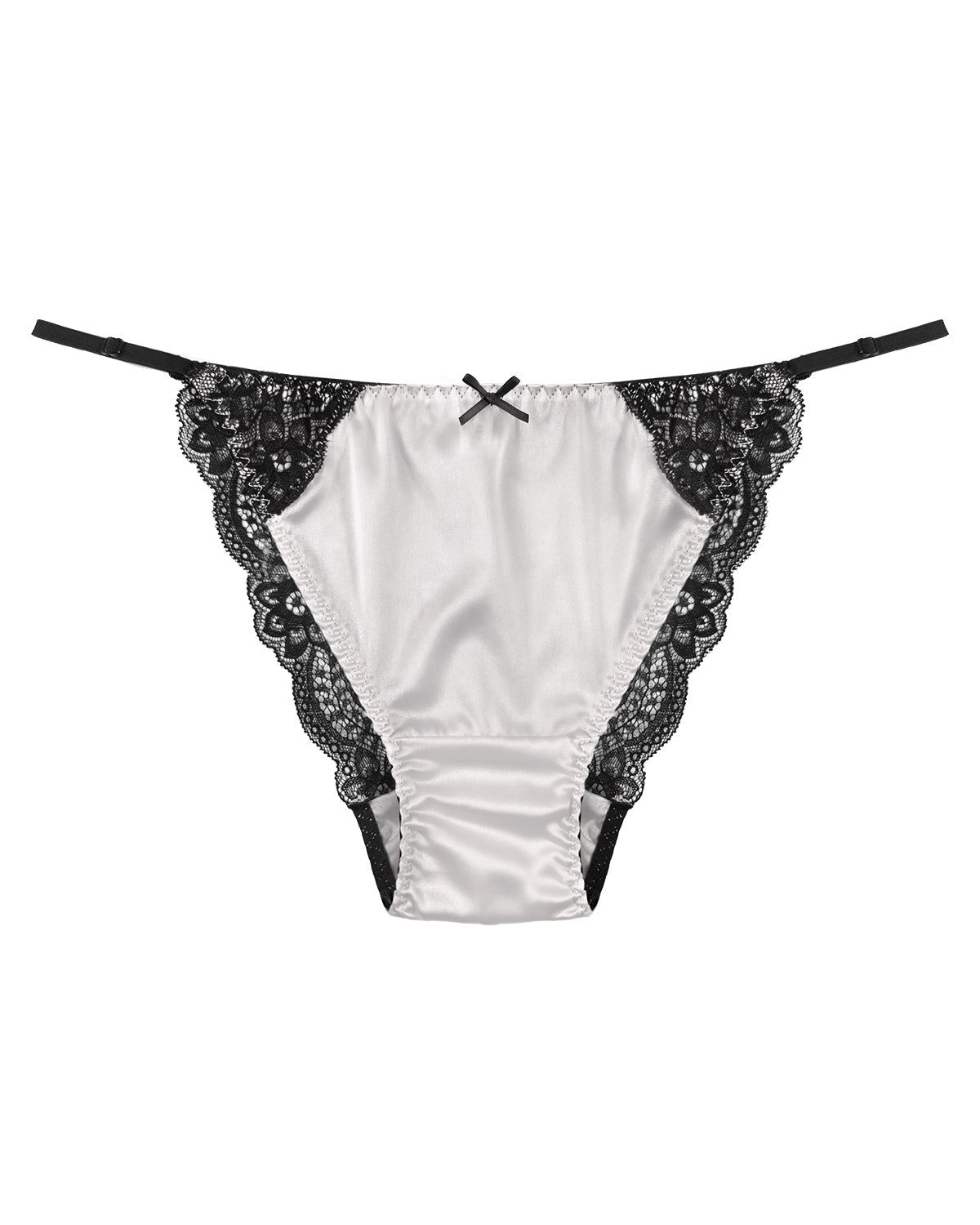
One of the easiest ways to distinguish real silk from polyester satin is the sheen. As noted by Infinity Massage & Wellness, silk is lustrous on both sides, while satin typically has a glossy front and a dull back. It is a simple test you can do right at the store.
Silk's natural properties read like a wish list for intimates. It is hypoallergenic and temperature-regulating (cool in summer, warm in winter), and naturally resistant to dust mites and mold. A 2017 clinical trial published in the Journal of Dermatology found that patients wearing antimicrobial silk clothing experienced a significant reduction in acne lesions over eight weeks compared to those wearing cotton, as reported by MYK Silk.
Independent laboratory testing from October 2025 confirmed that pure mulberry silk reduces hair-damaging friction by 34% compared to cotton, according to Mulberry Park Silks. Silk's environmental profile is equally compelling: its lifecycle carbon footprint averages just 1.9 to 2.5 kg CO₂ per kilogram of fiber, compared to 5 to 7 kg for polyester. It is also fully compostable and sourced from renewable agriculture.
In the spirit of honesty, silk does come with trade-offs. It carries a higher price point, requires more delicate care, and offers less stretch, making it less suited for everyday bras and panties that endure frequent washing. These are real considerations worth weighing.
What Is Modal? The Eco-Luxe Contender
Modal is a semi-synthetic regenerated cellulose fiber derived from beech tree wood pulp, placing it in an interesting middle ground between natural and synthetic. According to Fioboc, modal absorbs moisture approximately 1.5 times more effectively than cotton, making it exceptionally practical for everyday intimate wear.
Modal fibers are remarkably fine, measuring approximately 1 dtex compared to silk's 1.3 dtex, as noted by Sino Silk. This fineness gives modal a subtle sheen and a buttery hand-feel that can genuinely rival silk at a more accessible price point.
The eco-credentials are noteworthy. According to Wayne Arthur Gallery, modal production uses 10 to 20 times less water than cotton, and the fiber is biodegradable. To be transparent: modal is processed with chemicals during manufacturing, unlike fully natural silk. It is a nuanced sustainability story, not a simple one.
Modal excels for everyday underwear, bralettes, and activewear-adjacent intimates where stretch and easy washability are priorities. Premium sub-categories like TENCEL™ Modal narrow the quality gap with mid-tier silk to just 20 to 30%, according to Mayfair Silk, making it a legitimate contender for comfort-conscious shoppers.
What Is Satin? The Most Misunderstood Term in Intimates
To be definitive: satin is a weave structure, not a fabric. It describes how threads are interlocked (with long "floats" that create surface sheen), not what those threads are made of. As explained by Global Fabric Wholesale, satin can be woven from silk, polyester, nylon, or other fibers entirely.
Polyester satin dominates the market because of its low cost and easy care. For intimates, however, it underperforms where it matters most. As Not Just Pajama notes, polyester satin lacks breathability and moisture-wicking properties, often creating a clammy, uncomfortable feel during sleep or extended wear.
A practical shopping tip: satin has a glossy front and a dull back, while true silk is lustrous on both sides. If you can only see shine on one side, you are likely looking at polyester.
Silk satin does exist, combining the satin weave's beautiful drape with silk's natural benefits. But it is significantly more expensive and far less common in mass retail. If a product is labeled simply "satin" without specifying the fiber, assume it is polyester unless stated otherwise.
Side-by-Side: Which Fabric Wins for Each Use Case?
Rather than declaring one universal winner, here is how each fabric performs where it matters most:
- Daily Wear (bras, panties, basics): Modal wins. Superior stretch, effortless washing, excellent moisture management, and an accessible price make it the practical everyday choice.
- Sleepwear (chemises, robes, sleep sets): Silk wins. Temperature regulation, clinically supported skin-health benefits, and an unmatched sensory experience make it the ultimate choice for rest and recovery.
- Bridal and Occasion Wear: Silk is the clear choice. The luminous drape, natural sheen, and prestige of genuine mulberry silk are unrivaled for life's most meaningful moments.
- Gifting: Silk dominates. The perceived value, OEKO-TEX® certification, and premium presentation make silk intimates the most memorable gift you can give.
- Polyester Satin: Acceptable for costume pieces or budget occasions, but not recommended for skin-contact intimates given its breathability and health trade-offs.
One important note on durability: 22 momme silk offers significantly better longevity than lower momme weights (like 16 or 19), making it a smarter long-term investment for pieces you will reach for again and again.
Sustainability and Skin Health: The Evidence-Backed Comparison
The environmental numbers tell a clear story. Silk's carbon footprint of 1.9 to 2.5 kg CO₂ per kilogram is a fraction of polyester's 5 to 7 kg. Silk is fully compostable; polyester is non-biodegradable and contributes to microplastic pollution. Global Growth Insights reports that over 40% of consumers now prioritize eco-friendly fabrics when purchasing intimates, a trend accelerating through 2026.
Modal's sustainability story is strong but nuanced: 10 to 20 times less water than cotton and fully biodegradable, yet it requires chemical processing that silk does not.
For skin health, the science favors silk. A 2016 study published in the Journal of Cosmetic Dermatology found that compression forces from fabrics can distort collagen and elastic tissue over time, contributing to premature aging. Silk's low-friction surface (34% less friction than cotton, independently verified) offers a meaningful advantage for skin preservation. OEKO-TEX® STANDARD 100 certification ensures the fabric has been rigorously tested for harmful substances, a trust signal worth looking for on any intimate you buy.
Care, Price, and Long-Term Value: The Honest Numbers
Silk care: Hand wash or use a delicate machine cycle with pH-neutral detergent, and air dry away from direct sunlight. It requires more attention, but it is entirely manageable once you establish the routine.
Modal care: Machine washable, highly durable, and retains its softness after repeated washing. It is the lowest-maintenance option of the three.
Polyester satin care: Easy to wash initially, but it pills over time and degrades in appearance. The low upfront cost comes with lower long-term value.
On price, silk typically costs 40 to 80% more than modal at entry level. When comparing premium TENCEL™ Modal with mid-tier silk, that gap shrinks to just 20 to 30%, according to Mayfair Silk. The real calculation is price per wear: silk's durability and timeless quality mean the cost per wear decreases significantly over the life of the garment.
If the upfront investment feels like a leap, consider trying silk with a risk-free trial. At FEELITS, our 100-night trial with a money-back guarantee lets you experience the difference firsthand, with zero financial risk.
The Verdict: Which Fabric Is Right for You?
In plain terms: choose silk for luxury, wellness, and gifting. Choose modal for everyday comfort and eco-value. Reserve polyester satin for budget occasions only, and always check the fiber content before you buy.
The key revelation from this guide: satin is a weave, not a fabric. That single piece of knowledge will transform how you shop for intimates.
For those who prioritize skin health, sustainability, and an elevated sensory experience, silk is the investment that pays dividends every time you wear it. Modal is a thoughtful, legitimate choice for daily essentials, particularly for comfort-conscious shoppers on a moderate budget.
Fabric choice is a form of self-care. Choosing quality materials that honor your skin is not indulgence for its own sake; it is an act of everyday intention. If you are ready to feel the difference, explore our collection of 6A Grade Mulberry Silk intimates, each piece OEKO-TEX® certified, crafted at 22 momme by senior artisans, and backed by our 100-night trial. Your skin will thank you.
Sources
- SzoneierFabrics — Silk vs Satin: Luxury Apparel Fabric Comparison Guide 2025
- Silkbiotic — Silk Protein Composition
- Infinity Massage & Wellness — Silk vs Satin: Which is Better for Your Skin and Hair?
- MYK Silk — The Dermatologist-Backed Benefits of Silk
- Mulberry Park Silks — Silk Pillowcases Lab Tested: 34% Less Hair Friction
- Fioboc — Is Modal Material Good for Your Skin? Full Guide
- Sino Silk — Modal vs Silk Fiber Fineness
- Wayne Arthur Gallery — Modal Fabric Sustainability
- Mayfair Silk — Silk vs Modal Compared: Prices, Benefits & Downsides
- Global Fabric Wholesale — Silk vs Satin Fabric: Key Differences
- Not Just Pajama — Luxury Womens Pajamas: Silk vs Satin vs Modal Guide
- Global Growth Insights — Intimate Apparel Market Size & Trends, 2035